Unmasking ADHD Guide to Thrive Authentically in Workplaces
Learn how to unmask ADHD and reduce masking costs in neurotypical structures. Discover practical strategies, scripts, and accommodations to advocate and thrive.
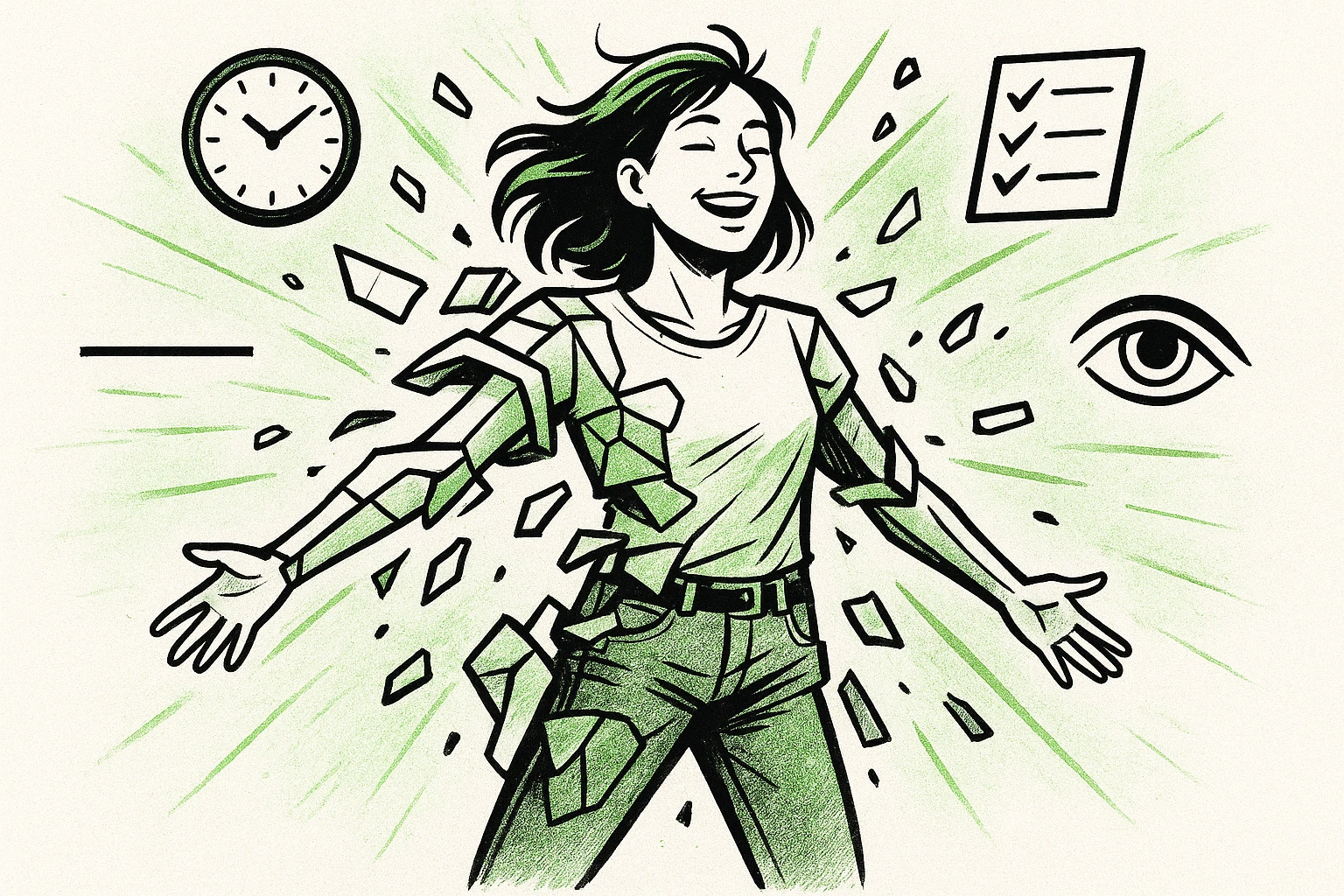
For adults with ADHD, the world often feels like a stage where everyone else knows the script. You might find yourself constantly adjusting your performance, trying to blend in, to mask who you truly are. This isn’t a conscious choice born of malice; it’s a deeply ingrained survival mechanism. But what’s the true cost of this constant performance, and how can you navigate neurotypical structures without sacrificing your authentic self?
This isn’t just about feeling different; it’s about the profound mental and emotional toll of living with a neurodivergent brain in systems designed for neurotypical functioning. The challenge you're facing is clear: how to reconcile your unique internal world—the "beautifully chaotic, endlessly fascinating, mildly exhausting mental internet"—with external expectations that demand conformity. This guide is designed to empower you with frameworks, insights, and actionable strategies to move from a place of constant masking to one of confident authenticity.
Before we dive into strategies, it's crucial to understand why masking is such a prevalent and often involuntary response for those with ADHD. It stems from the very neurobiological differences that define ADHD, particularly in areas affecting emotional regulation and executive functions.
Research consistently shows that ADHD is strongly linked to difficulties with emotional regulation. This isn't just about being "sensitive"; it manifests as intense emotions, low frustration tolerance, and mood swings. A significant part of this is Rejection Sensitive Dysphoria (RSD), an intense emotional pain triggered by the perception of rejection or criticism, real or imagined. (APA, Cleveland Clinic, ADDA.org). Imagine carrying that internal landscape into every social interaction and corporate meeting; the urge to mask becomes a powerful, almost instinctive defense mechanism against potential criticism.
Many individuals with ADHD also experience hyper-empathy and hypersensitivity—both emotional and physical. This can stem from a difficulty filtering stimuli, meaning your brain processes more information, leading to heightened emotional responses (Healthline, NeuroHealth Associates). While this can be a powerful strength, allowing for deep connections and intuitive understanding, it also leaves you vulnerable to emotional exhaustion and difficulty setting boundaries if you don't learn to manage it.
Finally, Dr. Russell Barkley's "30% Rule" helps reframe expectations. It suggests a developmental delay of about 30% in executive functioning for individuals with ADHD compared to their neurotypical peers (Springer-LD, Sandstone Care). This means that tasks like planning, organizing, self-regulating, and processing social cues might always take a little more effort. When society expects you to perform at a neurotypical pace and style, masking becomes an attempt to bridge that developmental gap, often at immense internal cost. Understanding these roots fosters self-compassion, reminding you that your masking isn't a flaw, but a coping strategy that can now be consciously re-evaluated.
Neurotypical structures, from the workplace to social gatherings, are inherently designed around a predictable mode of thinking and interacting. For someone with ADHD, these environments can feel like a constant pressure cooker, inadvertently enforcing masking behaviors.
The corporate world, with its emphasis on linear thinking, rigid hierarchies, and conventional productivity metrics, is a prime example of a neurotypical structure. For adults with ADHD, common workplace masking behaviors include over-preparing for meetings, hiding fidgeting or stimming behaviors, and excessive self-correction in communication to avoid misinterpretation (Perplexity research). This constant vigilance leads to significant burnout, anxiety, and can even hinder career progression, as energy is spent on seeming capable rather than being genuinely productive. Up to 80% of adults with ADHD have at least one comorbid psychiatric disorder, often exacerbated by masking in high-pressure environments (Perplexity research).
However, leveraging neurodivergent strengths can transform these challenges into advantages. Your capacity for hyperfocus, when properly channeled, can lead to incredible project completion. Your creative and out-of-the-box thinking can drive innovation. The key is strategic self-advocacy and identifying reasonable accommodations. This isn't about asking for special treatment; it's about creating an equitable playing field.
For example, accommodations might include flexible work arrangements, noise-canceling headphones, or written instructions instead of purely verbal ones. Open communication with HR or a trusted manager, framed around maximizing your contribution, can be incredibly effective.

Social interactions are rife with unwritten neurotypical rules. From the subtle cues of turn-taking in conversation to the nuanced art of "small talk," these expectations can be a minefield for neurodivergent individuals. Masking in social settings often involves forcing eye contact, suppressing energetic impulses, or meticulously scripting conversations. This not only leads to social anxiety but also a profound sense of loneliness, even when surrounded by people. Many ADHD social interactions are often misinterpreted as rudeness, self-centeredness, or irresponsibility by neurotypical peers (CHADD).
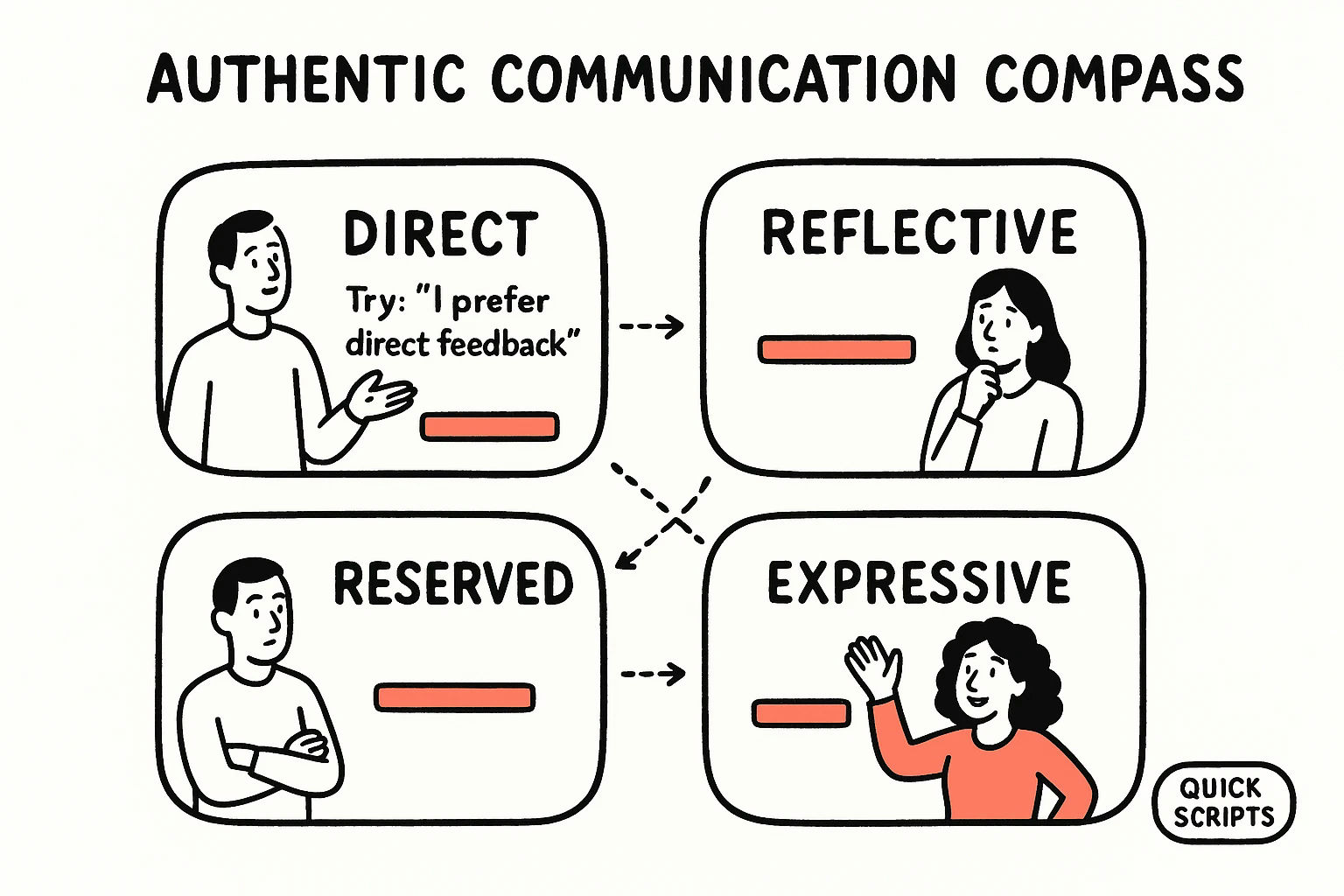
Developing authentic communication strategies means embracing your unique style. This might involve being more direct, candidly clarifying your intent, or even stating your communication preferences upfront. It's about finding that sweet spot where you are understood without having to completely abandon your genuine self. Seeking out neurodivergent-affirming social circles, whether online or in person, can provide immense validation and a space where your communication style is naturally understood and appreciated.
From elementary school through higher education, learning environments are often structured to favor neurotypical learning styles. Masking in these settings can involve hiding struggles, overcompensating with immense effort to match neurotypical output, or presenting a calm facade despite internal chaos. This can be particularly true for those who received later diagnoses, having internalized years of feeling "not good enough" or "incapable."
Advocacy for academic accommodations is vital. This could mean extended time on tests, quiet testing environments, or access to different presentation formats for assignments. It's not about lowering standards, but enabling you to demonstrate your knowledge in a way that respects your cognitive processing. Many universities now have excellent disability services offices that can help craft these accommodations, fostering an environment where your authentic ADHD identity can thrive, supporting lifelong learning without forcing you into an uncomfortable mold.
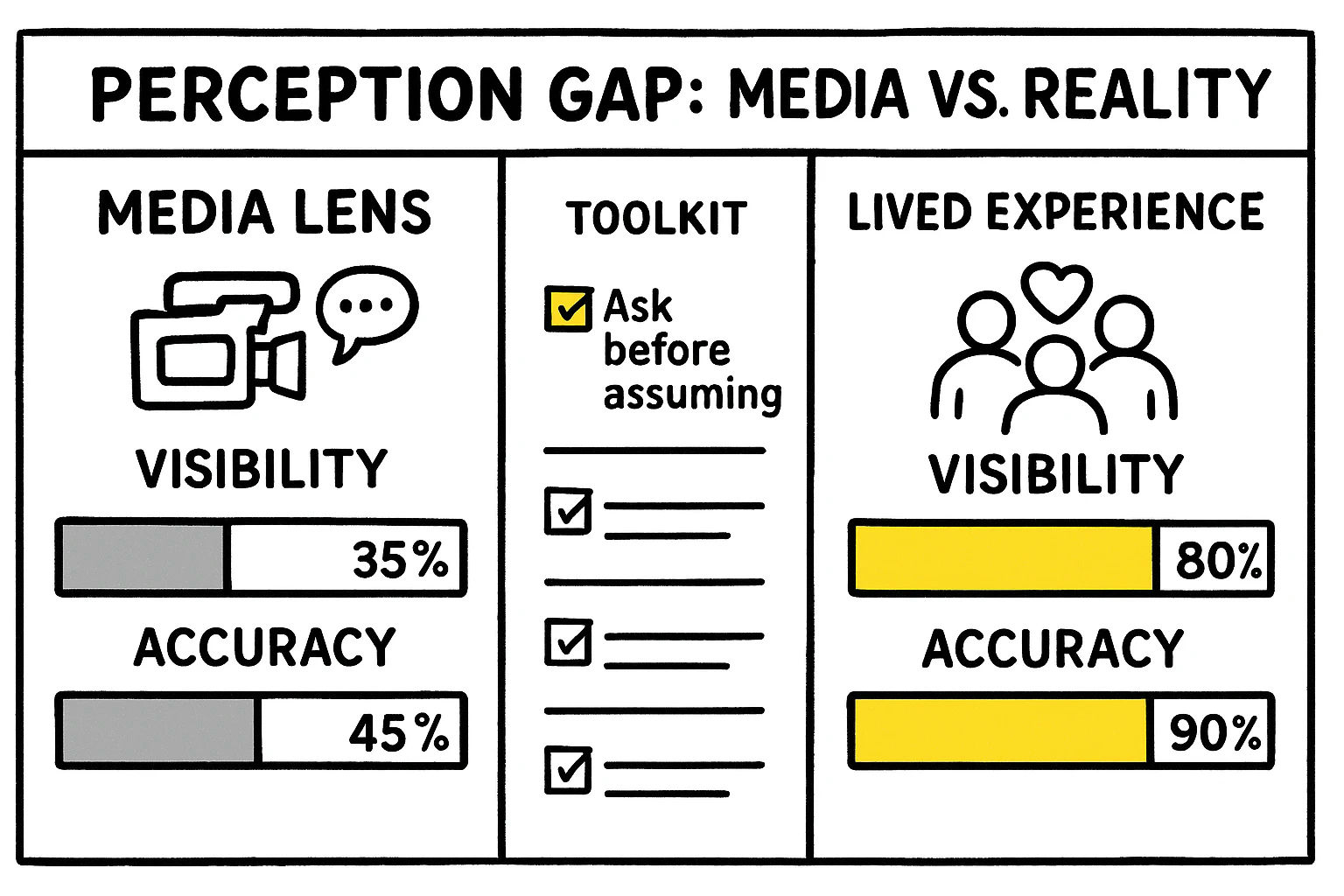
The way ADHD is portrayed in media, from news articles to social media feeds, significantly shapes both public perception and, critically, your self-perception. Unrealistic neurotypical ideals, often inadvertently reinforced by aspirational influencer content, can create a breeding ground for comparison and imposter syndrome. You might find yourself comparing your "scattered" internal experience to curated, perfect online lives, intensifying the urge to mask. Social media's constant highlight reel can perpetuate ADHD stereotypes, ignoring the nuances of the "beautifully chaotic."
However, media also offers powerful counter-narratives. Thoughtful consumption involves seeking out affirming online communities (like Reddit's r/ADHD and r/adhdwomen forums), following neurodivergent creators who share authentic experiences, and consciously curating your feed to reflect diverse realities. These spaces validate your experiences, proving you're not alone in your journey, and foster a sense of belonging that combats the isolation masking often creates. By actively engaging with positive representations, you can begin to internalize a more nuanced and accepting view of your own neurodivergent identity.
Unmasking is a deeply personal journey, but it doesn't happen in a vacuum. It requires a combination of individual advocacy, community support, and the crucial element of allyship from neurotypical individuals.
Individual advocacy means owning your narrative. It's about understanding your ADHD internally and then communicating your needs and boundaries. This doesn't mean revealing every detail to everyone, but strategically sharing what's necessary to foster understanding and create supportive environments.
Community advocacy involves connecting with others who share similar experiences. Peer mentorship, support groups, and online forums can provide invaluable validation, coping strategies, and a sense of collective strength. As one Reddit user eloquently put it, finding others who "get it" is profoundly healing.
For neurotypical individuals, active allyship is paramount. This means consciously challenging microaggressions, seeking to understand neurodivergent communication styles, and creating inclusive spaces. It's moving beyond simply "tolerating" differences to actively celebrating them as valuable contributions. This shift from "fixing deficits" to "celebrating differences" is central to the neurodiversity movement (Perplexity research).
Ready to begin your journey toward greater authenticity? This toolkit offers practical steps and resources.
Reflect on the following questions:
If you answered yes to several of these, masking is likely a significant part of your daily life.

The journey of unmasking isn’t about abandoning all social graces or refusing to adapt; it’s about discerning when to adapt and when to assert your authentic self, especially when the cost of conformity is your mental well-being and sense of identity. It's a continuous process of self-discovery, boundary-setting, and finding spaces where your "beautifully chaotic, endlessly fascinating, mildly exhausting mental internet" isn't just tolerated, but celebrated.
By understanding the neurobiological underpinnings of your ADHD, recognizing the societal pressures that fuel masking, and actively building an ecosystem of advocacy and allyship, you can move towards a life of greater authenticity. This path requires courage and self-compassion, but the reward is immense: the profound joy and freedom of truly being yourself in a neurotypical world. You are not alone in this; countless others are navigating this path alongside you, eager to connect and share their own wisdom. Your authentic self is not a burden; it is a unique and valuable contribution waiting to be fearlessly shared.
ADHD masking is when individuals consciously or unconsciously suppress their ADHD-related behaviors and traits to conform to neurotypical social and workplace expectations. This might involve forcing eye contact, hiding fidgeting, overcompensating for perceived deficits, or meticulously planning social interactions. It's often a coping mechanism born from fear of judgment or rejection.
While masking can offer short-term social acceptance, its long-term costs are significant. It leads to chronic stress, anxiety, depression, burnout, and a distorted sense of self (Perplexity research, ADDitude). It can prevent accurate diagnosis, hinder access to support, and alienate you from your authentic identity, leading to feelings of loneliness and imposter syndrome.
Complete cessation of masking might not be realistic or even desirable in all situations. The goal is strategic unmasking: choosing when and where to be authentically yourself, prioritizing your mental well-being, and developing the skills to advocate for your needs. It's about finding a balance that respects your neurodivergence without sacrificing your ability to navigate the world.
Strategic unmasking involves clear communication and boundary setting. Start by identifying safe spaces and trusted individuals. In the workplace, focus on what you need to perform optimally rather than what's wrong with you. Frame requests as accommodations that benefit both you and your employer. In relationships, communicate your neurodivergent traits and needs with empathy, offering insight into your internal experience. Educational resources provide scripts and guidance for these conversations.
Not at all. Unmasking is about authenticity and self-acceptance, not abandoning self-improvement. Many ADHD management strategies, like time management techniques or emotional regulation skills, can actually support unmasking by giving you more internal control and reducing the need to hide your natural responses. It’s about managing ADHD from a place of self-compassion, rather than fear.
Online forums like Reddit (r/ADHD, r/adhdwomen) are vibrant communities for shared experiences. Local ADHD support groups can be found through organizations like CHADD and ADDA. Many neurodiversity-focused therapists and coaches also offer group sessions or connect clients to relevant networks. Seek out spaces where you feel seen and understood.
Education is a continuous process, and not everyone will immediately grasp the complexities of ADHD. Focus on educating those who are open to learning. For others, it becomes about setting firm boundaries and prioritizing your inner peace. Remember that you are not responsible for changing other people's perceptions, only for advocating for your own well-being.