Parenting with ADHD Complete Guide to Raising Pride
Learn how to raise neurodivergent children with pride using neuro-affirming, ADHD-positive strategies. Explore routines, co-regulation, and school advocacy.
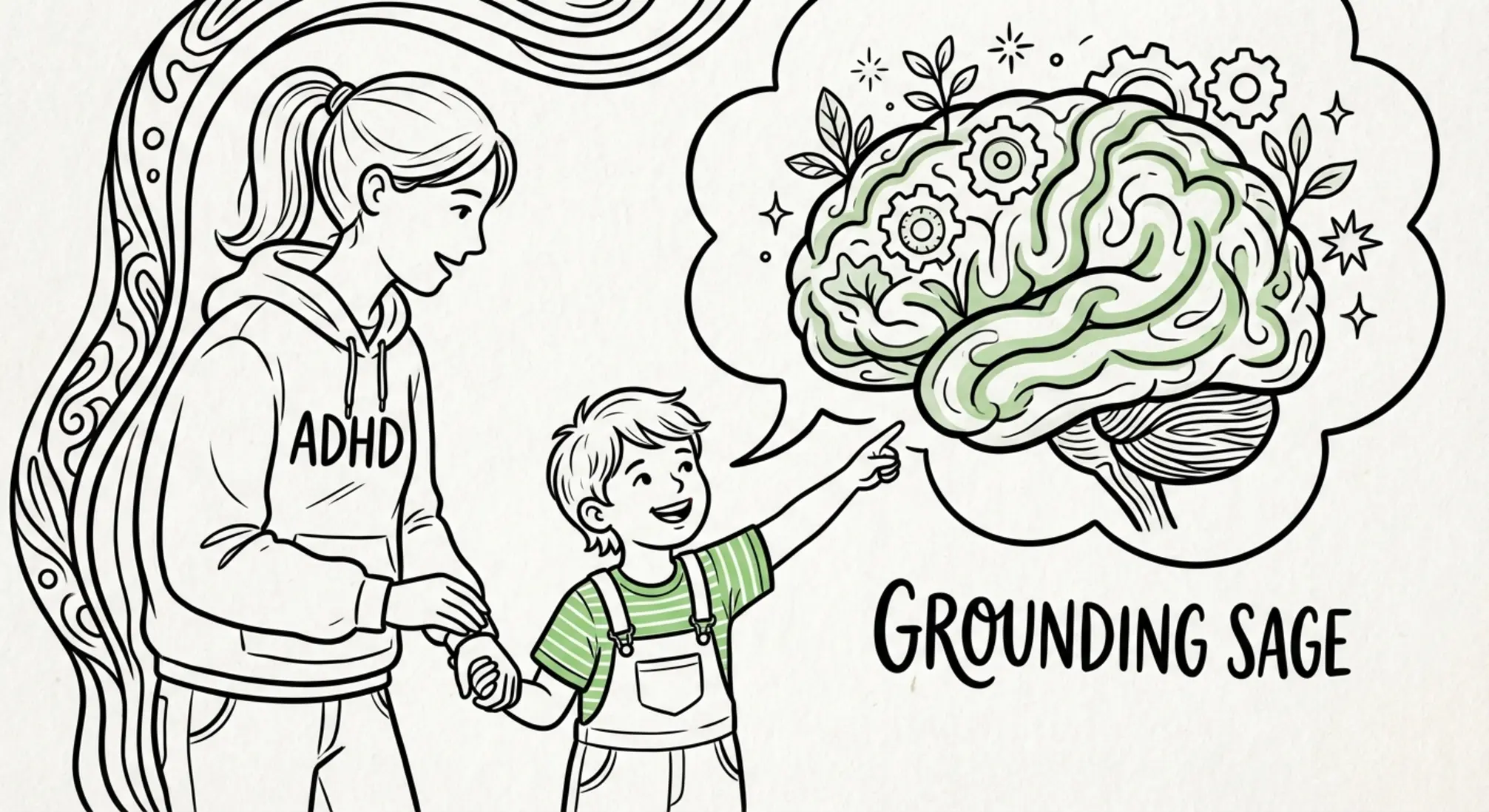
Parenting with ADHD & Raising Neurodivergent Children: Fostering Pride from an Early Age
Navigating parenthood can feel like an endless series of evaluations, especially when you suspect your child, or even yourself, might have ADHD. The challenge intensifies when you, a parent potentially grappling with your own neurodivergence, are trying to make sense of your neurodivergent child's world. You're sifting through advice that often feels like a checklist of problems to fix, leaving you wondering if there's a different, more affirming path. This isn't just about managing behaviors; it's about raising a child who understands and celebrates their unique brain. This article will guide you through fostering pride from an early age, shifting from a deficit model to one built on understanding, connection, and strength.
If you're a parent with ADHD raising a neurodivergent child, you're experiencing a unique, often intense, dynamic. Statistics show a compelling link: approximately 1 in 10 children have ADHD, and a significant 50-72% of ADHD and autism genetic factors overlap. This widespread prevalence means it's highly likely that a parent with ADHD will have a neurodivergent child, creating an intergenerational echo where both challenges and strengths are often shared.
This shared neurotype brings both profound empathy and unique hurdles. You might recognize your child's hyperfocus in your own intense projects or their struggle with executive function in your daily planning. While this shared understanding can foster deep connection, it can also amplify the challenges. Parental ADHD can impact parenting styles, sometimes leading to inconsistent routines or emotional challenges that affect a child's emotional regulation. The good news is, understanding this connection is the first step toward leveraging it as a superpower, not a weakness.
Many traditional parenting approaches, particularly for neurodivergent children, focus heavily on behavior modification and symptom management. But what if we told you there's a more empowering way, one that prioritizes building your child's self-esteem and identity around their neurodivergence as a strength, rather than a deficit? This is the core of neuro-affirming parenting.
Instead of constantly addressing "problems," this approach emphasizes cultivating your child's unique talents and supporting their authentic self. It’s a move from "connection is conditional on compliance" to "connection fuels growth."

This table offers a clear side-by-side comparison. Where traditional methods might focus on suppressing "undesirable" behaviors, a neuro-affirming approach seeks to understand the root cause and support the child in a way that builds their self-worth. This focus on strengths, autonomy, and flexible expectations are emerging trends in neurodiversity-affirming parenting, providing a powerful alternative to deficit-based models.
Translating this philosophy into daily life requires practical, actionable strategies. It's about creating an environment where your neurodivergent child can thrive, honoring their unique needs while also providing necessary structure.
Children with ADHD often benefit immensely from clear, predictable routines. However, the key here, especially for a neurodivergent parent, is to build in flexibility. Visual schedules, breaking down tasks into smaller steps, and setting clear, yet adaptable, expectations can be transformative. Resources like KidsHealth and CHADD often highlight the importance of these foundational elements. For example, instead of a rigid bedtime, create a "bedtime routine" with options within it, allowing for some self-direction.
Active listening and positive framing are essential. Involve your children in discussions about their routines or challenges. For instance, instead of saying "Why can't you just focus?", try "I notice you're having trouble getting started. What part feels tricky, and how can we make it easier together?" This collaborative approach supports autonomy and problem-solving.
Emotional dysregulation is common for both parents and children with ADHD. Learning to co-regulate with your child means modeling calm, validating their emotions without judgment, and teaching them strategies to manage overwhelm. This could be as simple as having a designated "cool-down corner" or practicing deep breathing together when feelings run high. Remember, parents of neurodivergent children experience elevated stress; prioritizing your own self-regulation is crucial.
Identify and celebrate your child's neurodivergent strengths. Is your child incredibly creative? Do they hyperfocus on subjects they love? Are they exceptionally empathetic or innovative? These aren't just traits; they're unique gifts. Help them build on these by providing opportunities for their special interests to flourish. Encourage creative expression, pursue their passions, and help them understand how their unique thinking contributes to the world. Research shows that modeling pride and creating safe spaces for individual expression are vital strategies for fostering pride in neurodivergent children.
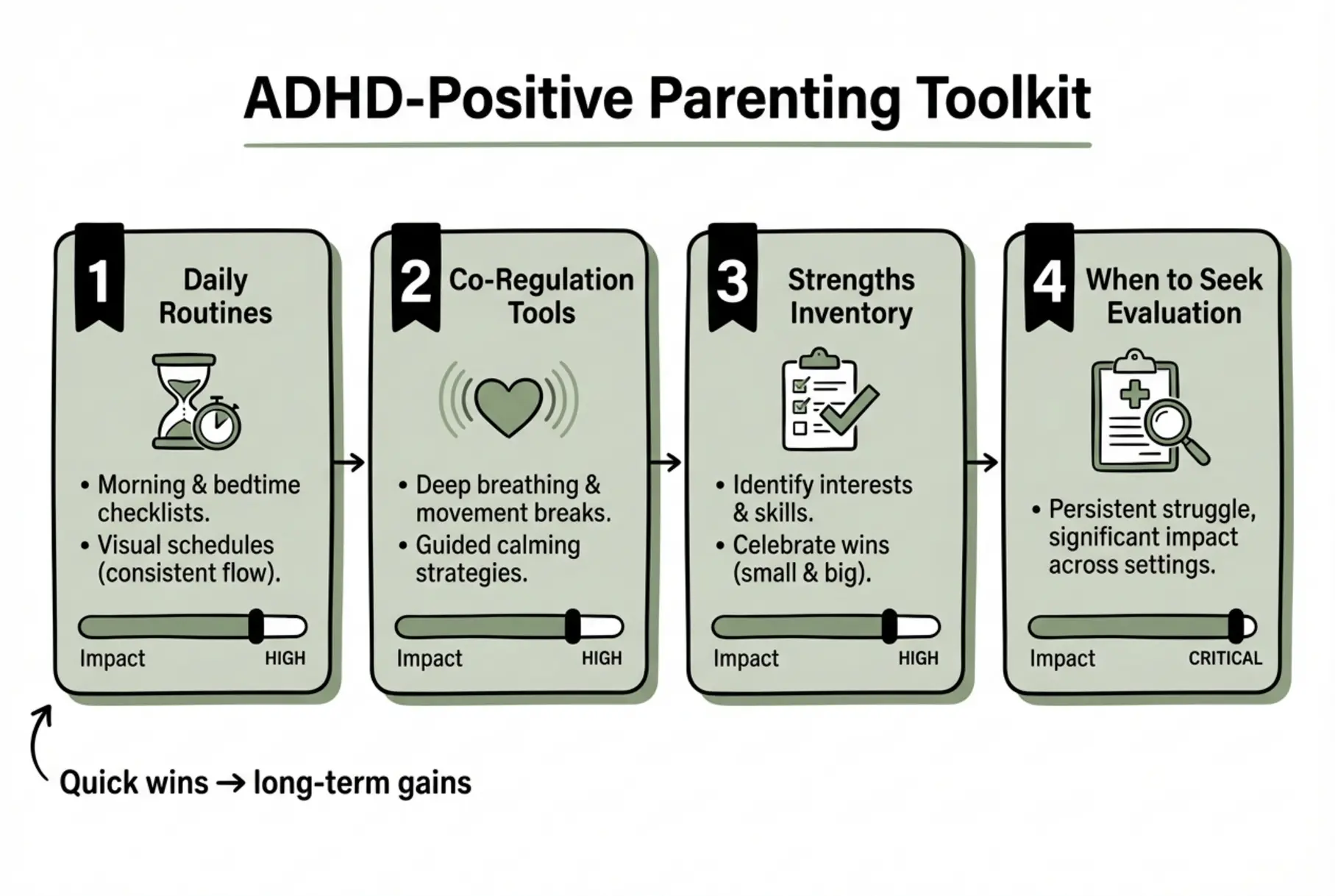
This toolkit can help you translate philosophy into daily practice, showing that highly impactful strategies like "Empathy & Connection First" are often the easiest to implement.
It's common for ADHD to co-occur with other conditions like anxiety. In fact, 15-50% of individuals with ADHD also experience anxiety. This comorbidity can complicate diagnosis and treatment, as symptoms often overlap. For example, constant fidgeting could be ADHD or anxiety, or both.
When you're trying to determine if ADHD medication can help with anxiety, the answer isn't always straightforward. Some stimulants can impact anxiety levels differently for various individuals. It's often recommended to "first treat the most impairing condition." This approach, guided by a neuro-affirming lens, ensures that interventions are holistic. Integrated approaches, combining medication (if appropriate) with therapy like Cognitive Behavioral Therapy (CBT) and other supports, tend to be most effective. Always consult with a qualified professional to create a tailored plan.
No parent can do this alone, especially when navigating systems that aren't always designed for neurodivergent individuals. Building a supportive village is critical.
If you suspect ADHD in your child or yourself, knowing who to talk to is essential. This could involve your pediatrician, a child psychiatrist, a developmental-behavioral pediatrician, or a psychologist. Each specialist offers different expertise in diagnosis and ongoing support.
Your neurodivergent child deserves an educational environment that understands and supports them. Knowing your rights regarding Individualized Education Programs (IEPs) or 504 Plans is crucial for getting necessary accommodations. Focus on teacher collaboration, approaching discussions from a strengths-based viewpoint. Instead of demanding fixes for "bad" behavior, discuss how the school can leverage your child's unique learning style and strengths.
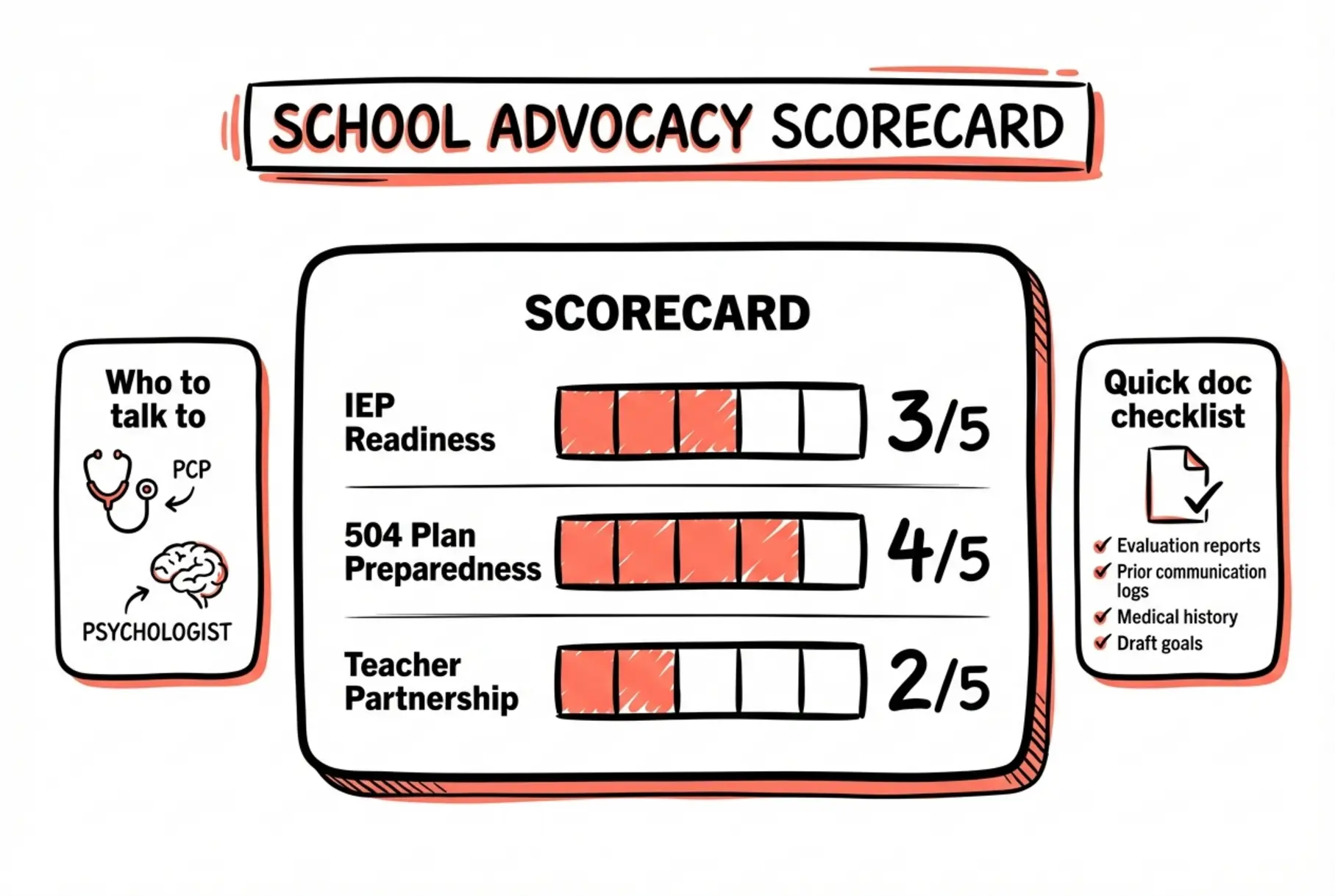
This scorecard helps parents assess their preparedness for school advocacy, empowering them with clear next steps. For more detailed support in preparing for school meetings, consider exploring our resources on navigating school systems for neurodivergent children.
Parental stress and burnout are significantly elevated for parents of neurodivergent children. Support groups for parents who share similar experiences can provide invaluable emotional validation and practical advice. Remember, acknowledging that you also have ADHD or other neurodivergent traits can provide deep insight and empathy, but it also means you need strategies that work for your brain too. Prioritizing your own well-being isn't selfish; it’s essential for showing up as your best self for your child.
As neurodivergent children grow into teens, the focus shifts even more toward fostering independence, self-advocacy, and celebrating their unique identities. This period is critical for self-esteem.
Encourage your teen to understand their own brain, to identify their strengths, and to articulate their needs. Support them in finding mentors or communities where their neurodivergence is not just accepted but celebrated. Help them develop strategies to manage challenges around social skills or executive function, always framing these as tools for success rather than corrections for inadequacy.
You've navigated the complex landscape of parenting a neurodivergent child, often while navigating your own neurodivergent traits. You've evaluated different approaches and sought answers that resonate with your desire for a truly affirming path. This journey is about more than just coping; it's about connecting, understanding, and above all, empowering your child to embrace their authentic, neurodivergent self.
If you're ready to explore more strategies, find a supportive community, or simply feel understood, we're here. We offer a space where the "beautifully chaotic" mind is celebrated, and every rabbit hole leads to deeper understanding and connection.

Neuro-affirming parenting is an approach that centers on validating and celebrating a child's neurodivergent identity rather than trying to "normalize" or "fix" them. It involves understanding their unique brain wiring, supporting their self-advocacy, and fostering their strengths. This contrasts with a deficit-based model that often focuses on managing or eliminating behaviors deemed problematic.
Parents with ADHD often have a deep, intuitive understanding of their neurodivergent child's experiences, leading to greater empathy. However, shared executive function challenges can sometimes lead to inconsistencies in routines or heightened emotional reactivity. Research indicates parental ADHD can influence household chaos and impact a child's emotional regulation. Recognizing this dynamic allows for targeted strategies to support both parent and child.
This is a common scenario given the strong genetic link of ADHD. The first step for your child would usually be to consult with their pediatrician, who can then provide referrals to specialists like a developmental-behavioral pediatrician, child psychiatrist, or psychologist for a comprehensive evaluation. For yourself, you might start with your primary care physician or seek a referral to an adult psychiatrist or psychologist specializing in ADHD. Addressing both can lead to a more holistic understanding and supportive environment for the entire family.
Emotional dysregulation is a common aspect of ADHD and other neurodivergences. Focus on co-regulation by first managing your own emotional response. Create a safe space for your child to express their emotions without judgment. Teach and practice calming strategies (deep breathing, sensory tools). Validate their feelings ("I see you're feeling really frustrated") before trying to solve the problem. Remember that parental stress is elevated for those with neurodivergent children, so prioritize your own self-care and seek support groups to mitigate burnout.
Start by understanding your child's specific needs and strengths. Gather documentation and communicate clearly and proactively with teachers and school administration. Learn about your child's rights under the Individuals with Disabilities Education Act (IDEA) and Section 504 of the Rehabilitation Act, which may lead to an Individualized Education Program (IEP) or a 504 Plan. Frame your advocacy from a strengths-based perspective, focusing on how the school can support your child's unique learning style and help them thrive, rather than just manage deficits.