ADHD Affirming Lifestyle Guide to Thrive with Routines
Discover how to design an ADHD-affirming lifestyle that helps you thrive. Compare practical environments, flexible routines, and sensory self-care. Learn how.

For far too long, the narrative around ADHD has been dominated by conversations about "management" and "deficits." You're likely here because you've evaluated countless resources that focus on symptoms, coping mechanisms, and strategies designed to help you fit into a world built for neurotypical brains. While helpful, many of these approaches often leave you feeling, well, underwhelmed by the constant struggle to conform.
But what if the goal wasn't just to manage, but to thrive? What if instead of constantly trying to suppress your neurodivergent traits, you could design a life that truly celebrates them? This isn't about ignoring challenges; it's about shifting your perspective and actively creating environments, routines, and self-care practices that support and leverage your unique cognitive styles. As someone with ADHD, you're not looking for a quick fix; you're looking for solutions that genuinely resonate with your brain and lead to lasting change. You're doing the critical work of evaluating what truly serves you.
The traditional view of ADHD often treats it as a persistent, disruptive condition requiring constant "treatment" or "therapy." However, a rapidly evolving understanding, fueled by the neurodiversity movement, champions a shift. Instead of solely focusing on what ADHD makes difficult, an ADHD-affirming lifestyle focuses on how to leverage the inherent strengths of the neurodivergent mind and create a life that feels authentic and supportive. This approach is particularly resonant for the over half (55.9%) of U.S. adults diagnosed with ADHD in adulthood who are actively seeking new ways to understand and integrate their diagnosis into their lives.
This isn't about ignoring the very real challenges that come with ADHD, but rather about acknowledging them while simultaneously designing your life to minimize friction and maximize your inherent capabilities. It's an empowering journey from simply managing to intentionally designing.
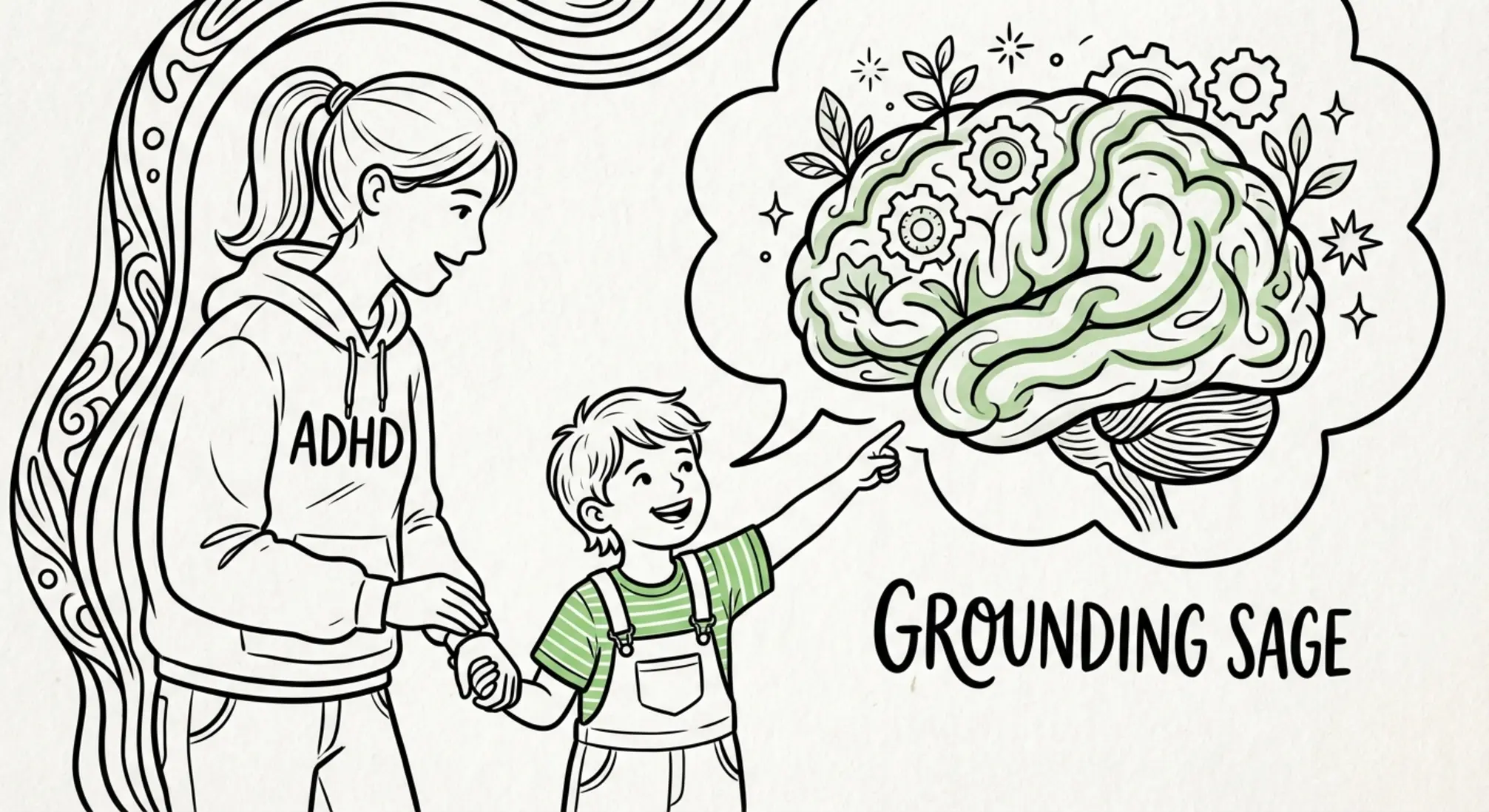
The core of an ADHD-affirming lifestyle lies in recognizing that your brain isn't "broken"; it's simply wired differently. This alternative wiring comes with a unique set of strengths – creativity, hyperfocus (on topics of interest), divergent thinking, resilience, and often a deep sense of empathy. The challenge isn't to change who you are, but to adapt your surroundings and habits to allow your strengths to flourish while providing compassionate support for your challenges.
The global prevalence of adult ADHD is significant, affecting approximately 4.4% to 6.76% of adults worldwide annually, underscoring a vast, diverse community united by shared experiences but unique individual needs. This comprehensive guide will help you begin evaluating how to build a life that truly works for you.
Before you can design an ADHD-affirming life, you need to understand your unique ADHD blueprint. Just as ADHD manifests differently in everyone, so too will your ideal affirming environment and routine. This isn't a diagnostic tool, but a prompt for self-reflection.
Consider these questions:
Understanding these patterns in your personal "mental internet"—where every link opens a rabbit hole, and every category is a hyperfixation—is the first step towards purposeful design.
Your physical surroundings play a powerful role in supporting or hindering your executive functions. An ADHD-friendly environment isn't just tidy; it's intentionally designed to reduce decision fatigue, minimize distractions, and provide visual cues that support your natural tendencies. Principles include defining zones, minimizing clutter, using soothing colors, and integrating sensory-friendly elements.
Think of your home as an external hard drive for your brain. The less energy your brain spends trying to remember where things are or what to do next, the more capacity it has for meaningful tasks.

Whether you're in an office or working remotely, your workspace needs to cater to your ADHD brain.
Traditional, rigid routines often fail individuals with ADHD because they don't account for fluctuating energy levels, hyperfocus, and the brain's natural tendency to seek novelty. The solution isn't to abandon routines but to embrace "rhythms, not timetables" by building flexible, adaptable structures.

Self-care for the ADHD brain isn't just about relaxation; it's about foundational support for your unique neurology. This holistic approach goes beyond simple stress relief, addressing physical, emotional, mental, and sensory needs.

Living an ADHD-affirming life isn't just about individual strategies; it's also about building relationships and finding communities that understand and support you. For every ADHDer, connecting with others who "get it" offers immense validation.
Integrating practices into your daily life requires the right tools. From digital apps to physical planners, the key is to find what genuinely supports your brain.

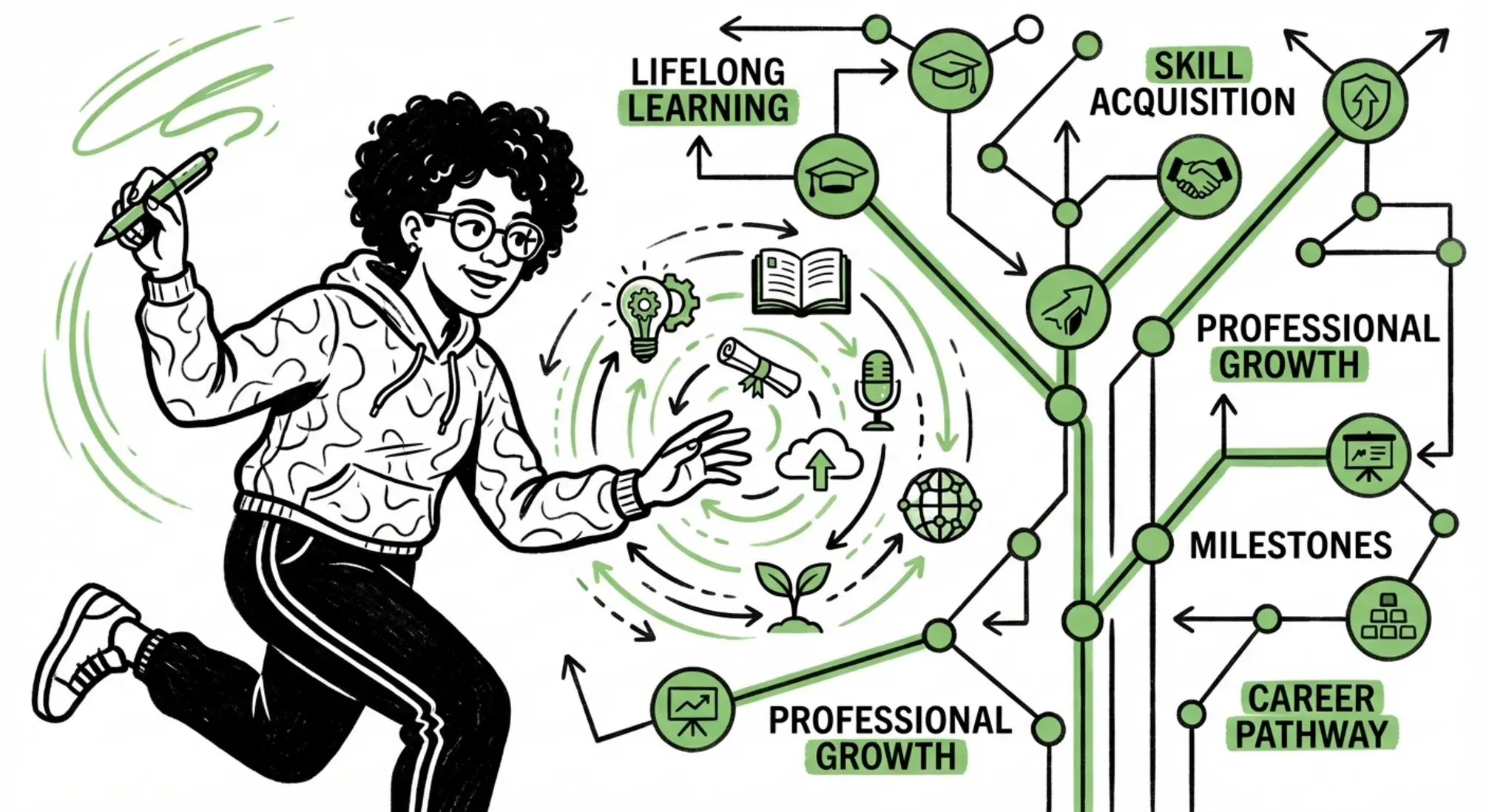
Cultivating an ADHD-affirming lifestyle is an ongoing journey of self-discovery, compassion, and intentional design. It's about moving beyond simply "managing" symptoms to actively harnessing your unique strengths and creating a world that allows your neurodivergent self to flourish. By focusing on your environment, crafting flexible routines, prioritizing holistic self-care, and building supportive relationships, you can transform your experience with ADHD from a perceived deficit into a powerful advantage.
This path requires patience and flexibility, but the rewards are profound: increased self-acceptance, reduced stress, and a life designed specifically to help you thrive. Start small, experiment, and celebrate every step of the journey. Your beautifully chaotic, endlessly fascinating brain is a gift—it's time to design a life that truly honors it.
Not at all. While "management" often implies suppressing or correcting "deficits" to fit a neurotypical standard, "ADHD-affirming" focuses on celebrating your unique cognitive strengths and designing your life to leverage them. It's about self-compassion and adaptation, rather than conformity.
Absolutely. An ADHD-affirming lifestyle is about creating support structures tailored to your individual needs. This can be particularly beneficial for those with more pronounced symptoms, as it provides external scaffolding and reduces the mental load. While professional support (therapy, medication) might also be part of your overall plan, these lifestyle shifts can significantly enhance your well-being. The rise of adult ADHD diagnoses, specifically 344% increase in ADHD diagnoses for women between 2007-2016, highlights a broad spectrum of individuals seeking diverse forms of support.
Generic self-care is often a one-size-fits-all approach. ADHD-affirming self-care is deeply personalized, recognizing the unique neurological underpinnings of ADHD. For example, understanding how dopamine dysregulation impacts motivation helps us tailor self-care to support our brain chemistry through movement or novel experiences, rather than just suggesting a bubble bath.
No. Many effective strategies are low-cost or free. Simple changes like visual labels, decluttering, or re-arranging furniture can make a significant difference. The image in the "ADHD-Friendly Home Design" section highlights how quick, low-cost tweaks can provide substantial benefit, often comparable to a full redesign for specific needs. It's about strategic redesign, not necessarily expense.
If your routines keep falling apart, it's a sign that they aren't working for your brain yet. An ADHD-affirming approach embraces "flexible routines" and "rhythms, not timetables" to account for the dynamic nature of ADHD. It's about understanding why they break down and adjusting, rather than feeling like a failure. This approach is rooted in compassion and continuous adaptation. Building in "slack time" and having "Plan B" for low-energy days are key.