Unmask Your ADHD Practical Authenticity Toolkit Guide
Unmask your ADHD with a practical authenticity toolkit that leverages strengths, teaches boundary-setting, and reduces burnout. Find step-by-step tools.
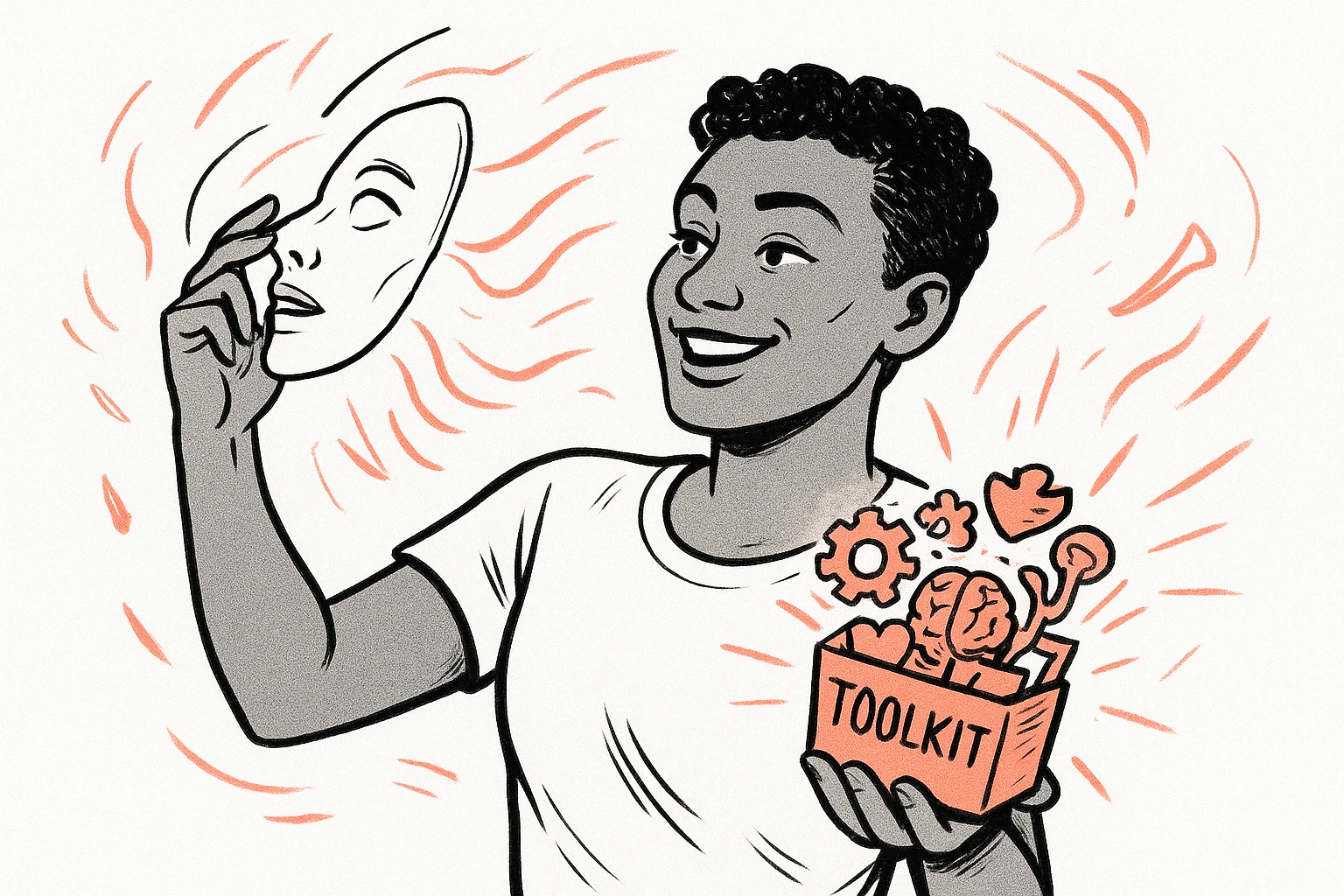
You’ve likely reached a point where understanding what ADHD is isn't enough. You know about the executive dysfunction, the "ADHD tax," and maybe even a few strengths like creativity or hyperfocus. But if you're like many adults with ADHD, you're now asking the crucial "how." How do I actually live with this, openly and authentically, without feeling like I'm constantly fighting myself or wearing a mask?
Many resources discuss the importance of unmasking, citing burnout, anxiety, and the sheer mental exhaustion of pretending to be "neurotypical" as compelling reasons to stop. And they’re right. Research consistently shows that years of masking lead to significant struggles like low self-esteem, imposter syndrome, and even misdiagnosis (Perplexity). But the real challenge isn't acknowledging the problem; it's finding concrete, step-by-step guidance on how to dismantle that mask and embrace your true self.
This isn’t about fixing what’s "broken;" it's about building a toolkit to leverage your unique ADHD brain. It’s about moving past theoretical understanding to practical application. Here, we'll equip you with actionable strategies to unmask your ADHD, cultivate self-compassion, and design a life that truly supports your neurodivergent self.
For years, many of us with ADHD subconsciously developed coping mechanisms—masks—to navigate a world not designed for our brains. This might look like meticulously planning every detail to avoid perceived forgetfulness, forcing eye contact during conversations even when your brain is elsewhere, or constantly over-explaining yourself to prevent misunderstanding.
While these strategies can offer temporary relief, the long-term cost is immense. It leads to chronic stress, exhaustion, and a deep sense of disconnect from your true identity. As Perplexity AI summaries highlight, these hidden struggles often manifest as burnout and anxiety. The good news? You already possess incredible strengths that are simply waiting to be unmasked and intentionally leveraged.
Forget the deficit narrative. Your ADHD brain isn't just a collection of challenges; it's a powerhouse of unique capabilities. Identifying and intentionally using these strengths is a cornerstone of authentic living. Competitors like ADDitudeMag.com and CHADD.org often list these strengths: creativity, hyperfocus, resilience, and empathy (ADDitudeMag.com, CHADD.org). But how do you actually spot them in your own life and put them to use?
Instead of just reading about these, let’s identify yours. Think about times you've felt truly successful, engaged, or at your best. What ADHD traits were you leveraging?
For instance, did you pull an all-nighter on a passion project fueled by hyperfocus? Did you find a unique way to solve a complex problem at work because your mind connected disparate ideas (creativity)?
Here’s how to map those strengths to practical applications:
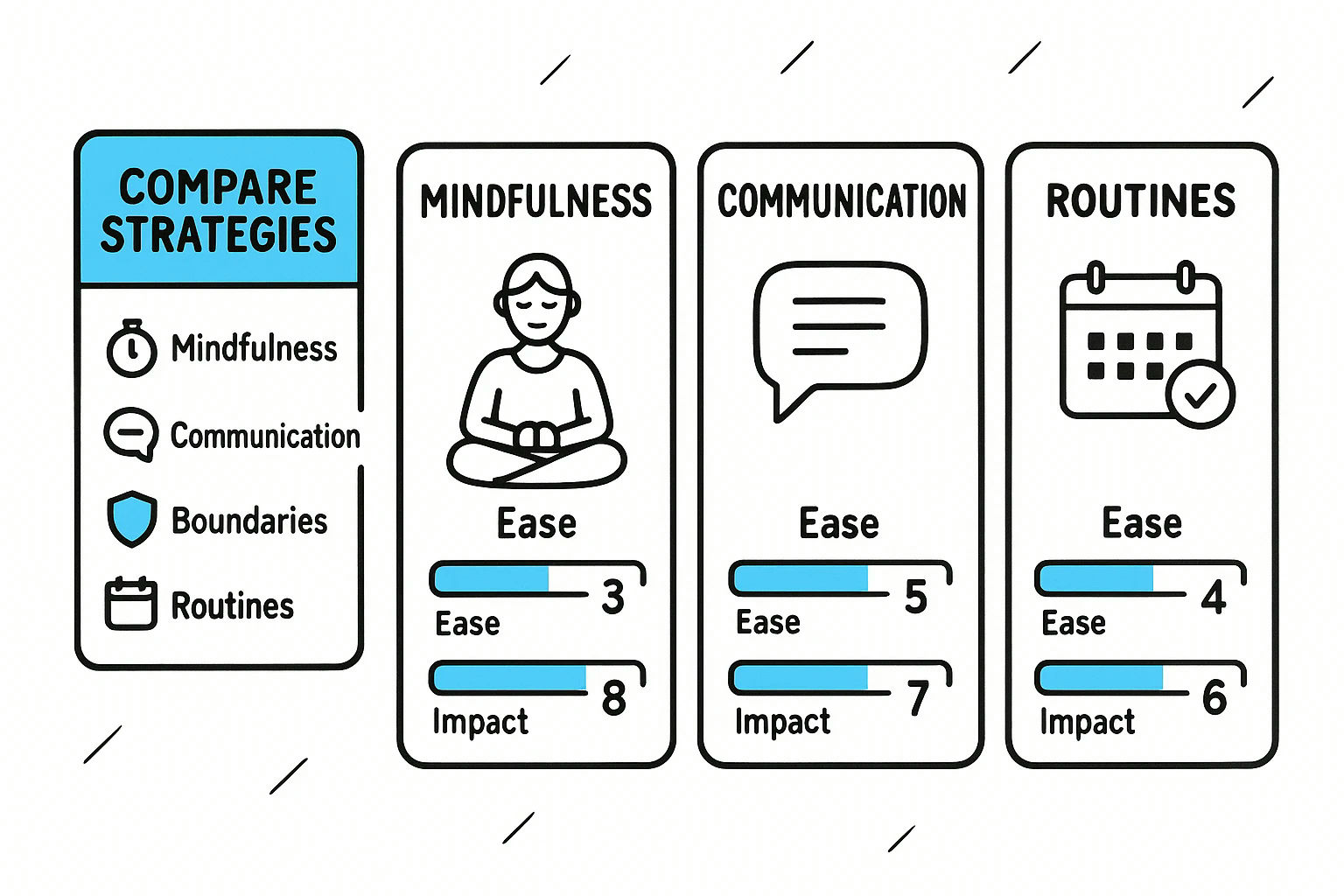
This visual shows you how to connect your innate "superpowers" to tangible outcomes, helping you choose where to lean in. When you consciously lean into these, you're not just coping; you're thriving authentically.
Once you recognize your strengths, the next step is to express them, and your needs, genuinely. This is where unmasking gets real—and often a little uncomfortable at first.
Boundaries are not about pushing people away; they're about creating a safe space for your authentic self to exist. For ADHDers, who often struggle with people-pleasing or overwhelming commitments, clear boundaries are essential for energy management and preventing burnout. This module gives you scripts to practice.
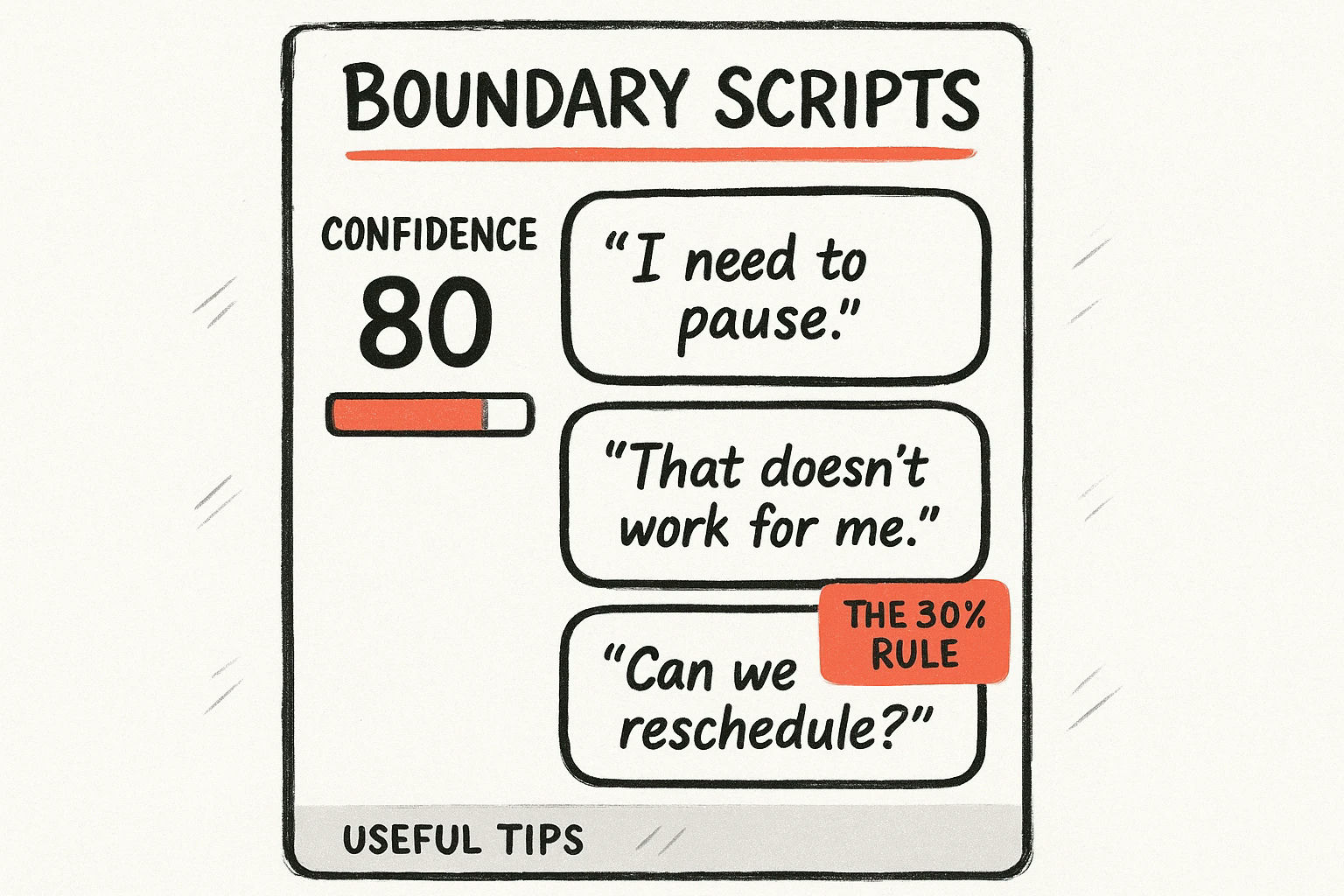
The "30% Rule" helps you practice without feeling overwhelmed. Start with a boundary you're only "30% confident" in setting, with a low-stakes person. This incremental approach builds skill and confidence.
Unmasking is also an internal process. For years, you might have internalized negative messages about your ADHD, leading to self-criticism and shame. This deep-seated hidden intent, as our research shows, is a significant barrier for many (Perplexity). Cultivating self-compassion is critical to dismantling this internal critic.
Traditional advice often pushes rigid routines, which can quickly lead to sensory overload and burnout for the ADHD brain. Authenticity means designing structures that work with your neurodivergent patterns, not against them.
Here's an example of a flexible routine timeline that leverages micro-routines and allows for natural flow:

Notice the varied "adherence bars." This reflects reality: some tasks are easier to stick to than others. The goal is sustainability, not perfection.
Unmasking your ADHD is not a one-time event; it's an ongoing process of self-discovery, learning, and self-compassion. There will be days when the mask feels easier to wear, and that's okay. The goal isn't perfection, but progress.
By building this authenticity toolkit—leveraging your strengths, practicing honest self-expression and boundary setting, fostering self-compassion, and designing neurodivergent-friendly structures—you are actively creating a life that celebrates, rather than tolerates, your ADHD. You're moving closer to a place where being your true, "beautifully chaotic, endlessly fascinating" self is not just accepted, but actively cultivated.
Unmasking ADHD refers to the process of consciously reducing and eventually eliminating the behaviors you developed to hide or compensate for your ADHD traits in social, academic, or professional settings. These behaviors, or "masks," are often used to appear "normal" or "neurotypical," but they lead to significant emotional and mental exhaustion, as highlighted by Perplexity AI summaries on hidden struggles. Unmasking means embracing your authentic self, including your neurodivergent traits, without shame or pretense.
Unmasking is crucial because the continuous effort of masking leads to high levels of stress, anxiety, burnout, and can contribute to feelings of imposter syndrome and low self-esteem (Perplexity). It prevents authentic connection and often delays accurate diagnosis or effective treatment. By unmasking, individuals can experience greater self-acceptance, build more genuine relationships, reduce mental fatigue, and leverage their inherent ADHD strengths more effectively. It’s about aligning your internal experience with your external presentation.
This is a common and valid fear, often rooted in past negative experiences or internalized stigma. Unmasking isn't about being disruptive or intentionally difficult. It's about strategic authenticity. This might mean communicating your needs clearly (e.g., "I focus best with headphones on,") setting boundaries, or advocating for accommodations. Our module on "Authentic Self-Expression" provides techniques for effectively communicating your needs without alienating others. Starting in safe environments and with trusted individuals can build your confidence in this process.
Unmasking is a deeply personal and gradual process, not a quick fix. You might experience small shifts in self-perception and personal interactions fairly quickly, especially with practices like self-compassion or setting a small boundary. However, fully dismantling years of masking takes time, patience, and consistent effort. It's an ongoing journey of self-discovery and adaptation, as our conclusion emphasizes. Celebrate small victories and be kind to yourself through the inevitable ups and downs.
While there might be initial adjustments, authentic self-expression often strengthens relationships by fostering deeper understanding and trust. Genuine friends, partners, and colleagues will likely appreciate your honesty. In a professional context, strategic unmasking can lead to better performance when you advocate for the accommodations you need or leverage your ADHD strengths for productivity. Some relationships may shift if others can't accept your authentic self, but ultimately, this makes space for more supportive connections. The critical element is how you unmask—with clear communication and boundary setting, as discussed in Module 3.
Many resources discuss unmasking (e.g., ADDitudeMag.com). Beyond our toolkit, considering professional support from an ADHD coach or therapist specializing in neurodiversity can be incredibly beneficial. Communities (like those found on Reddit, as noted in our research), online forums, and local support groups also provide invaluable validation and shared experience. Continuing to engage with content that validates your neurodivergence and offers practical tools, like our own site, is also key.