Sensory Overload in ADHD Guide to Emotional Regulation
Discover how to calm sensory overload and reduce emotional dysregulation in ADHD with a trigger map, portable survival kit, and quick deescalation techniques.
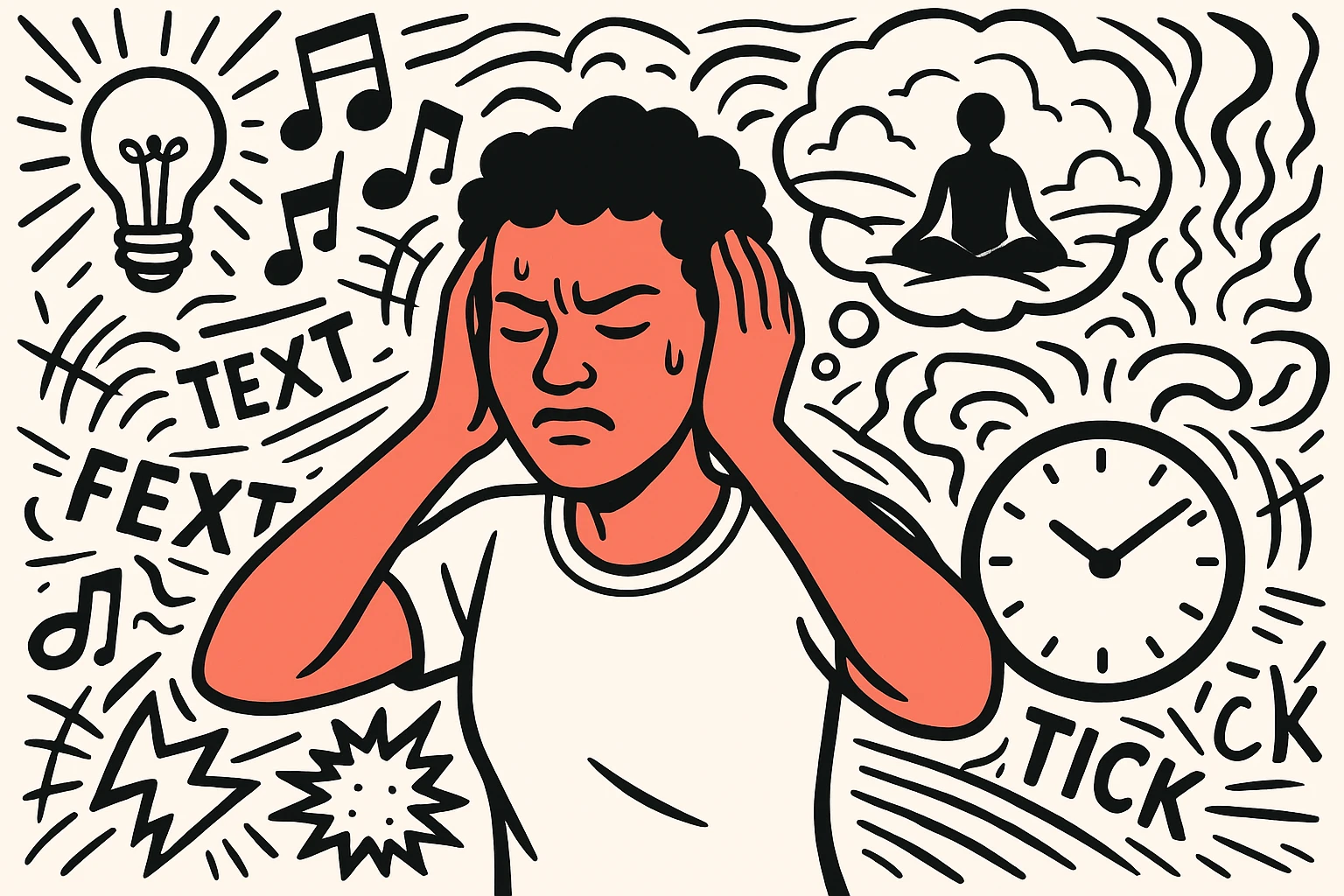
Welcome to the internal landscape of ADHD, where "beautifully chaotic" often feels like "overwhelmingly chaotic." If you're an adult with ADHD, or someone trying to understand it, you've likely grappled with the intense, sometimes explosive, emotional reactions that seem to bubble up from nowhere. One moment you're fine; the next, a seemingly minor irritation plunges you into a spiral of frustration, anger, or despair. This isn't just "being sensitive"; it's often the direct consequence of sensory overload and emotional dysregulation, two deeply intertwined aspects of ADHD that can turn everyday life into a series of internal storms.
You're not alone in feeling this. Up to 43% of females and 22% of males with ADHD report heightened sensory sensitivity, which directly impacts their emotional state. This deep dive into the "why" and "how" of this experience isn't just about validating what you feel; it's about equipping you with the understanding and tools to navigate these internal storms with greater calm and control.
To understand why a flickering fluorescent light or a crowded grocery store can send your emotions spiraling, we need to look under the hood of the ADHD brain. It’s not simply about being overstimulated; it’s about how that stimulation short-circuits your brain’s ability to manage its emotional responses.
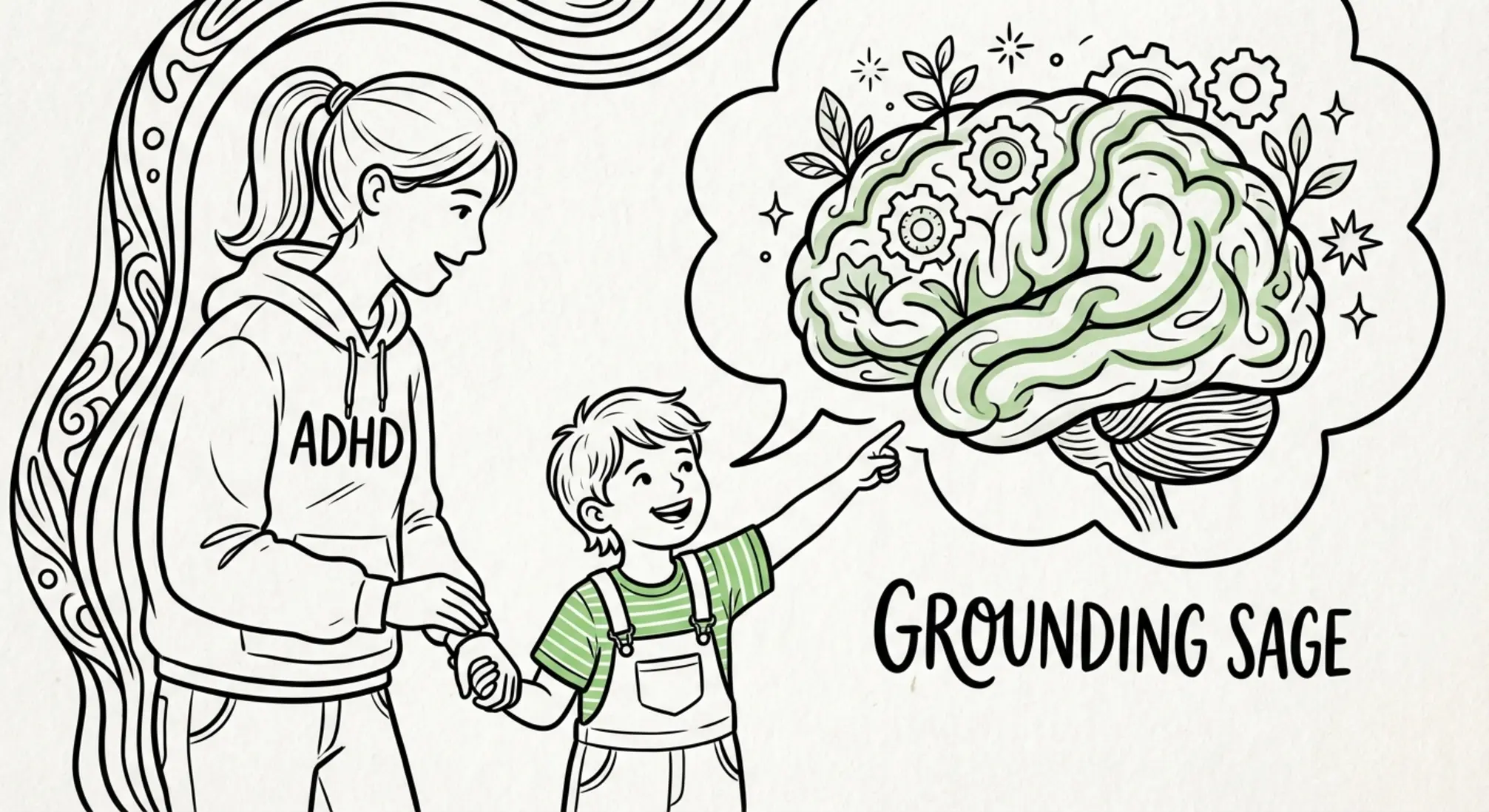
In an ADHD brain, the prefrontal cortex—the brain's executive control center responsible for filtering information and regulating emotions—often has altered functioning and connectivity. Simultaneously, the amygdala, your brain’s alarm system, can be overactive. This creates a challenging dynamic where the brain struggles to filter simultaneous stimuli effectively, and what gets through immediately triggers a heightened emotional reaction. Think of it like this: your brain's "volume control" is broken. While neurotypical brains can easily tune out the hum of the refrigerator or the background chatter in a coffee shop, an ADHD brain often registers all sensory input with the same intensity. This constant barrage rapidly depletes cognitive resources, leading to mental fatigue and a lowered threshold for emotional distress.
This isn't just theoretical; research indicates that decreased top-down control from the prefrontal cortex and an overactive amygdala contribute to heightened emotional reactivity and difficulty regulating responses ([SOURCE: Perplexity, APA Monitor, Frontiers in Neuroscience]). The sensory input hits different, and your emotional response intensifies.
While the science explains the "how," your lived experience is far more visceral. Emotional dysregulation, the difficulty in managing and modulating emotional responses, is a core feature of ADHD often overlooked in diagnostic criteria. It's not just about mood swings; it's about the intensity and duration of emotions that feel disproportionate to the cause. A significant percentage of individuals with neurodevelopmental disorders, including ADHD, exhibit emotional dysregulation, making it a major contributor to impairment regardless of whether it's officially diagnosed ([SOURCE: Perplexity, ADDitude Magazine]).
Do any of these scenarios sound familiar?
These experiences are real, and they stem from a neurological difference, not a personal failing. Understanding this is the first step towards self-compassion and effective management.
Since sensory processing varies widely among individuals with ADHD, identifying your specific triggers is paramount. What overwhelms one person might be benign to another. This personalized map helps you anticipate and mitigate the internal chaos before it takes hold. Consider these common culprits:

These are often the most recognized and impactful.
Our modern world is saturated with visual information, making this a common source of overwhelm.
These often go unnoticed until they become overwhelmingly uncomfortable.
Smell and taste are powerful senses that can evoke strong emotional responses.
It’s not always external. Your internal state can also trigger or amplify sensory and emotional overwhelm.
Once you understand your triggers, the next step is to proactively create environments and routines that support your sensory and emotional well-being. This isn't about avoiding the world, but about having a refuge and tools readily available.
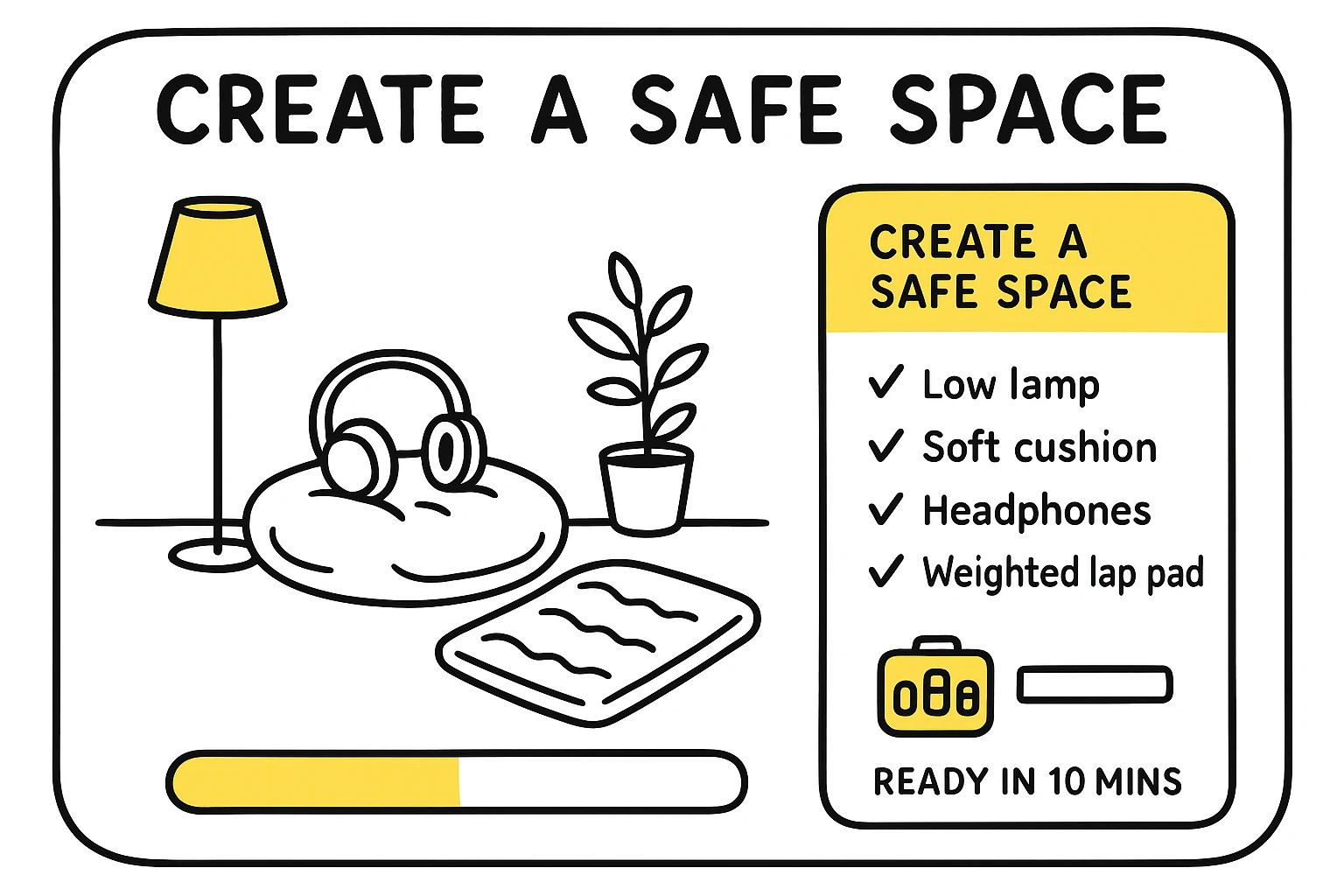
This is your designated calm zone. It doesn't have to be an entire room; it could be a corner, a specific chair, or even your car.
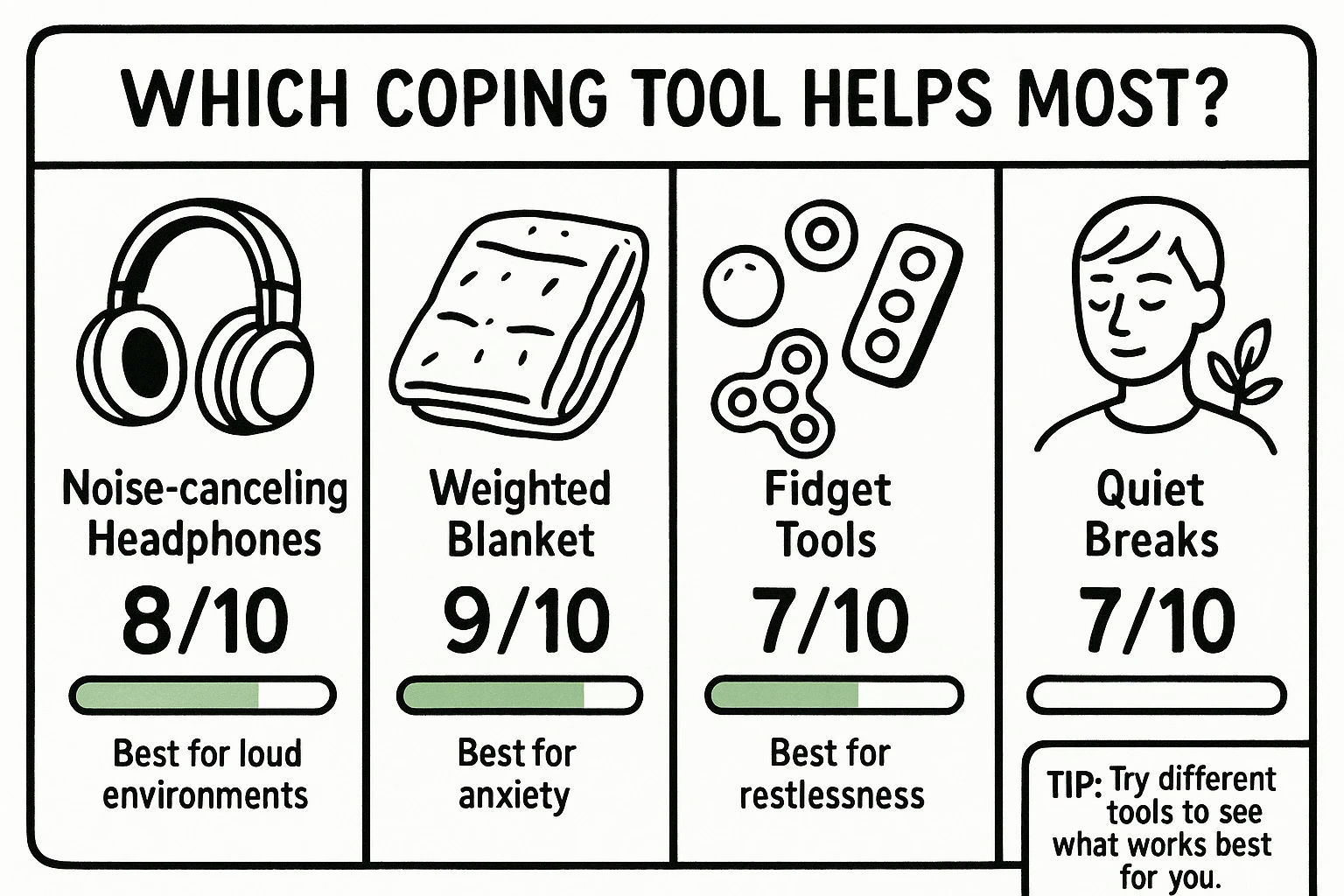
This is your emergency toolkit for when you can’t escape an overwhelming environment.
Just like a digital detox, a sensory detox helps reset your overloaded system.
Despite your best efforts, overwhelm can still happen. Knowing how to manage a meltdown or shutdown, both for yourself and for those supporting you, is crucial. This is where the emotional dysregulation fully takes hold, and the logical brain temporarily goes offline.
While self-management strategies are powerful, knowing when to bring in professional support is key. If sensory overload and emotional dysregulation significantly impair your daily life, relationships, or work, consider these options:
Living with ADHD's unique sensory and emotional landscape is a marathon, not a sprint. It's easy to fall into the trap of self-blame or feeling "broken." Remember, these are neurological differences, not personal flaws.
Understanding the intricate connection between sensory overload and emotional dysregulation in ADHD is more than just knowing what's happening; it's about gaining agency. It's about recognizing that what feels like internal chaos has a blueprint, and with that blueprint, you can begin to build structures of calm and control.
By dissecting your triggers, cultivating safe spaces, and equipping yourself with de-escalation strategies, you're not just coping—you're thriving. You're transforming reactive overwhelm into proactive self-management. This journey towards greater calm is not about eradicating the "beautifully chaotic" mind, but about mastering its symphony, rather than enduring its cacophony.
While commonly associated with ADHD, sensory processing differences can occur independently or alongside other neurodevelopmental conditions like Autism Spectrum Disorder. However, in ADHD, it's often linked to the core deficits in executive function, leading to difficulty filtering and modulating responses to stimuli.
Start with an analogy: Imagine being in a room where every single sound, sight, and smell is amplified to the same volume, and you can't turn any of it down. Your brain is trying to process everything at once, making it exhausting and overwhelming, leading to a quick temper or shutdown because your system is maxed out. You can also share the neurological explanation of the overactive amygdala and underperforming prefrontal cortex.
ADHD medications primarily target symptoms like inattention and hyperactivity. However, by improving executive functions, they can indirectly help with emotional regulation and the ability to filter sensory input. Many individuals report feeling less overwhelmed and more emotionally stable on medication, but it's not a direct treatment for sensory processing differences.
A tantrum is often a volitional act, used (consciously or subconsciously) to achieve a desired outcome. A meltdown, particularly in ADHD and autism, is an involuntary response to extreme overwhelm. It's a physiological event where the individual has lost control of their emotional and behavioral responses because their nervous system is overloaded and can no longer cope. The goal is not manipulation, but survival.
Yes! Beyond white noise/brown noise apps, there are biofeedback apps that can help you learn to regulate your physiological responses. Some emerging technologies, like virtual reality (VR) and neurofeedback, are also being researched and used to improve attention, processing speed, and emotional regulation, offering new avenues for managing these challenges.
While stress can certainly heighten sensory sensitivity, sensory overload is specifically triggered by sensory input (sounds, lights, smells, textures, etc.) reaching an unbearable point, leading to an immediate physiological and emotional reaction. General stress might be more diffuse and prolonged, stemming from various pressures. However, chronic sensory overload is a significant source of stress for individuals with ADHD.