Rejection Sensitive Dysphoria in ADHD Complete Guide
Learn how Rejection Sensitive Dysphoria in ADHD triggers intense pain. Follow a neurologically informed 72 hour recovery plan to manage RSD and build resilience.
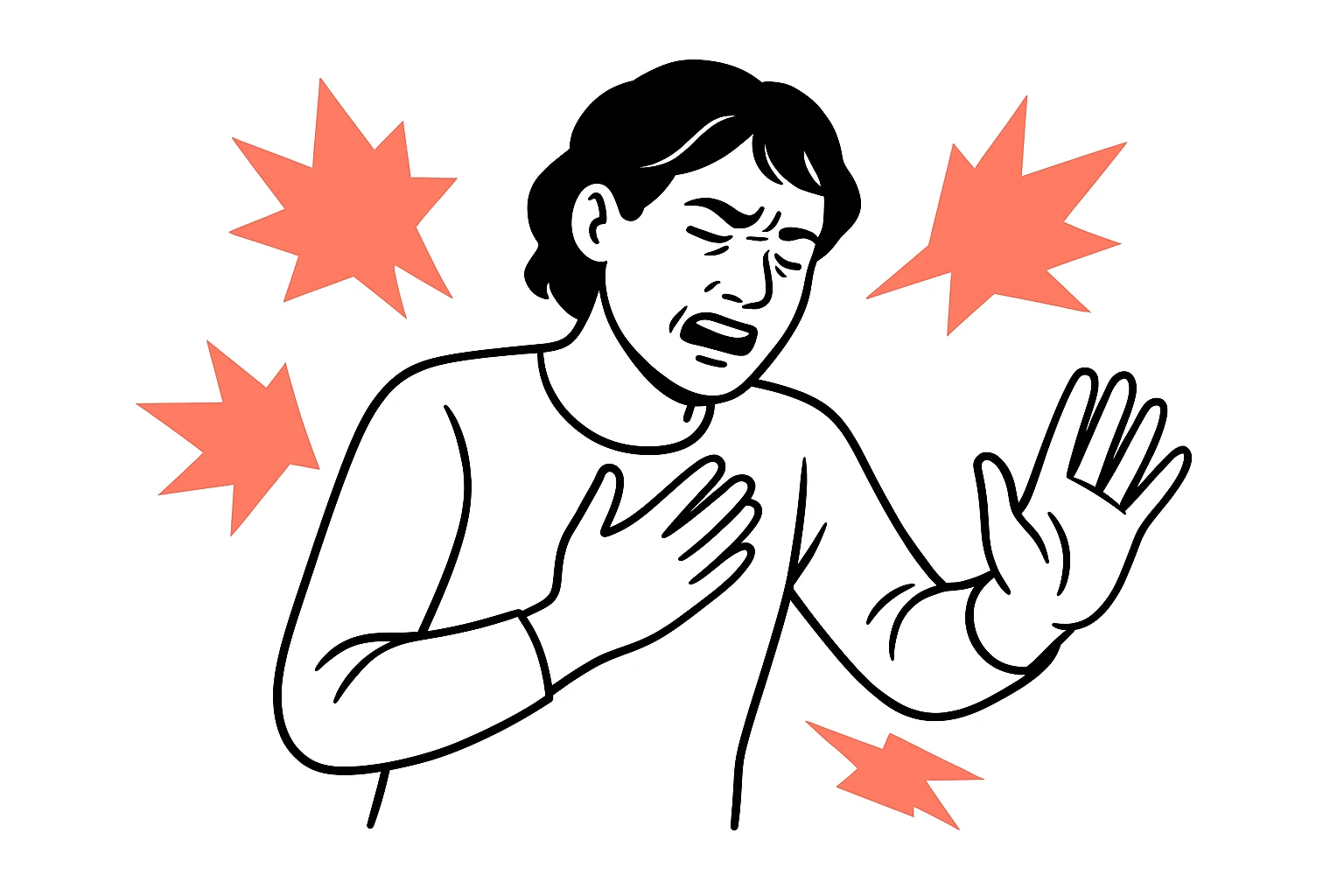
Do you experience a profound emotional pain—often described as a physical blow—when faced with actual or perceived criticism, rejection, or failure? This intense internal experience, far beyond typical disappointment, indicates you may be grappling with Rejection Sensitive Dysphoria (RSD), a profoundly impactful, yet often misunderstood, aspect of Attention-Deficit/Hyperactivity Disorder (ADHD). For individuals with ADHD, RSD is not a character flaw or mere oversensitivity; it is a neurological phenomenon rooted in distinct differences within the ADHD brain's emotional regulation systems. Understanding this distinction is the first step toward navigating this inner wound and forging a path toward healing and emotional resilience.
Rejection Sensitive Dysphoria (RSD) is the experience of intense emotional and often physical pain triggered by real or perceived rejection, criticism, or even disappointment. This reaction is disproportionate to the actual event, causing profound distress. While not a formal diagnosis in the DSM-5, RSD is widely recognized clinically, particularly within the ADHD community, with clinical surveys suggesting that between 70-99% of individuals with ADHD report experiencing its symptoms to some degree [Simply Psychology]. This intense internal experience often feels "like being punched in the soul," as described by Emotions Therapy Calgary from emotionstherapycalgary.ca, leading to a cascade of emotional and physical responses.
Common manifestations of RSD include:
The profound pain of Rejection Sensitive Dysphoria in individuals with ADHD stems from specific neurobiological differences in the brain's emotional processing and regulation systems. The ADHD brain is wired differently, impacting how it perceives and responds to social cues and emotional stimuli. This explains why rejection literally hurts, engaging the same neural pathways as physical injury [Emotions Therapy Calgary].
Neurological underpinnings of RSD in ADHD include:
{{< image url="https://cdn.prod.website-files.com/6846e66ceac3efe221e5f42a/692607a34b6989d24a2c1931_file.png" caption="Clear, science-backed explainer showing why RSD feels physically painful and how ADHD brain differences drive intense reactions." >}}
Rejection Sensitive Dysphoria is frequently misunderstood as simple "oversensitivity," but its intensity, duration, and underlying neurological mechanisms set it apart significantly. While everyone experiences disappointment or hurt feelings, RSD elevates these sensations to an extreme degree. For instance, a mild critique that a neurotypical individual might rate as a 2/10 in emotional impact could register as an 11/10 for someone with RSD, leading to a profound, visceral reaction.
Key distinctions that differentiate RSD from typical sensitivity or other mood disorders include:
Living with Rejection Sensitive Dysphoria often leads individuals to develop maladaptive coping mechanisms, inadvertently creating self-fulfilling prophecies that perpetuate the cycle of perceived rejection and emotional pain. These protective behaviors, while initially designed to shield against hurt, can ultimately lead to relationship strain, career stagnation, and a deepening sense of isolation.
Common maladaptive coping mechanisms and their cyclical impact include:
Recognizing these patterns is crucial for breaking the cycle and developing healthier responses.
When an RSD episode strikes, the intensity can feel overwhelming. Having a structured approach, akin to a "72-hour recovery protocol," can help manage the acute phase and facilitate emotional recovery. This protocol acknowledges the neurological impact of RSD and provides actionable steps for stabilization and integration.
{{< image url="https://cdn.prod.website-files.com/6846e66ceac3efe221e5f42a/692607a34b6989d24a2c1931_file.png" caption="A practical, time-bound 72-hour roadmap with an immediate '60‑second reset' badge to guide readers through acute RSD episodes." >}}
The first 24 hours are critical for de-escalation and preventing further distress. Focus on immediate comfort and safety, and avoid making significant decisions during this highly emotional period.
After the immediate crisis has passed, the next 48 hours are about gentle recovery and processing, similar to "recovering from the flu."
Understanding the diagnostic status of Rejection Sensitive Dysphoria is crucial for individuals seeking validation and appropriate support. While RSD is not listed as a formal diagnosis in the Diagnostic and Statistical Manual of Mental Disorders (DSM-5), it is widely recognized and discussed within clinical and neurodevelopmental communities as a significant challenge for individuals with ADHD.
While managing acute RSD episodes is vital, building long-term resilience involves ongoing strategies that address the root causes and reinforce healthier emotional regulation. This holistic approach supports sustained well-being and reduces the overall impact of RSD.
{{< image url="https://cdn.prod.website-files.com/6846e66ceac3efe221e5f42a/692607a34b6989d24a2c1931_file.png" caption="Side-by-side comparison of immediate tactics, long-term healing, and partner scripts to help readers decide the best approach for their situation." >}}
Rejection Sensitive Dysphoria, while deeply painful, does not have to define your life or relationships. By understanding its neurological origins in the ADHD brain, identifying your unique patterns, and implementing evidence-based coping strategies, you can transition from feeling like a passive victim of your emotions to an active participant in your healing journey. The path to healing involves self-compassion, strategic interventions, and building a supportive ecosystem that recognizes and respects your experience. Each step taken, from a 60-second emergency reset to engaging in long-term therapy, contributes to building a life where you are less at the mercy of perceived rejection and more in control of your emotional well-being.
{{< image url="https://cdn.prod.website-files.com/6846e66ceac3efe221e5f42a/692607a34b6989d24a2c1931_file.png" caption="Measurable impact visualization that helps readers prioritize seeking support by showing real-world costs and potential improvements with action." >}}
No, Rejection Sensitive Dysphoria is not currently listed as a formal diagnosis in the Diagnostic and Statistical Manual of Mental Disorders (DSM-5). However, it is widely recognized as a significant challenge by clinicians and researchers in the context of ADHD. Notably, the European Union updated its Consensus Guidelines on Adult ADHD in 2019 to include emotional dysregulation as a core diagnostic feature, a category under which RSD symptoms often fall.
While not everyone with ADHD experiences RSD to the same degree, it is highly prevalent. Clinical surveys suggest that between 70-99% of individuals with ADHD report experiencing symptoms of RSD [Simply Psychology]. For a significant portion, it is one of the most impairing aspects of their ADHD experience.
The primary difference lies in the intensity and disproportionate nature of the emotional pain. Normal sensitivity involves feeling hurt or disappointed, but RSD triggers an immediate, overwhelming, and often physical response to real or perceived rejection that far exceeds the objective reality of the situation. It engages the same neural pathways as physical pain, making rejection literally hurt as if punched.
Yes, RSD can be effectively managed through a combination of strategies. Therapeutic approaches like CBT, DBT, and ACT can help individuals develop coping mechanisms and reframe cognitive patterns. Medications, particularly alpha-2 agonists like clonidine and guanfacine, provide significant relief for RSD symptoms in approximately 60% of adolescents and adults with ADHD, with a further 30% reporting substantial improvements [Simply Psychology]. Lifestyle adjustments and building a supportive environment also play crucial roles.
Explain that RSD is a neurological phenomenon linked to how your ADHD brain processes emotions, rather than a personal failing or choice. Use analogies, such as feeling "punched in the soul" by criticism (Emotions Therapy Calgary), to convey the physical and emotional intensity. Share resources like this article to help them understand the neurobiological basis and emphasize the importance of validation and patience during an RSD episode.
Yes. During an acute RSD episode, partners and family members can help by validating the person's pain ("I see how much this is hurting you") rather than minimizing it. Avoid asking "why" questions during heightened emotional states, as these can feel accusatory. Focus on offering a safe, calm space and encourage them to use their coping strategies, such as the "60-second emergency reset." Establishing clear communication protocols during calm periods about how best to support each other is crucial.