Intersectional ADHD Practical Guide to Authenticity
Discover how intersectional ADHD shapes masking, identity, and access to care. Learn practical strategies and find culturally competent support to act now.
When you’re navigating the complexities of ADHD, it’s easy to feel like you’re trying to fit a square peg into a round hole. Most of the information out there, while well-intentioned, often paints a broad picture, missing the intricate ways your unique identity shapes your everyday experience. You're trying to figure out which resources truly see you, and the standard narratives often fall short.
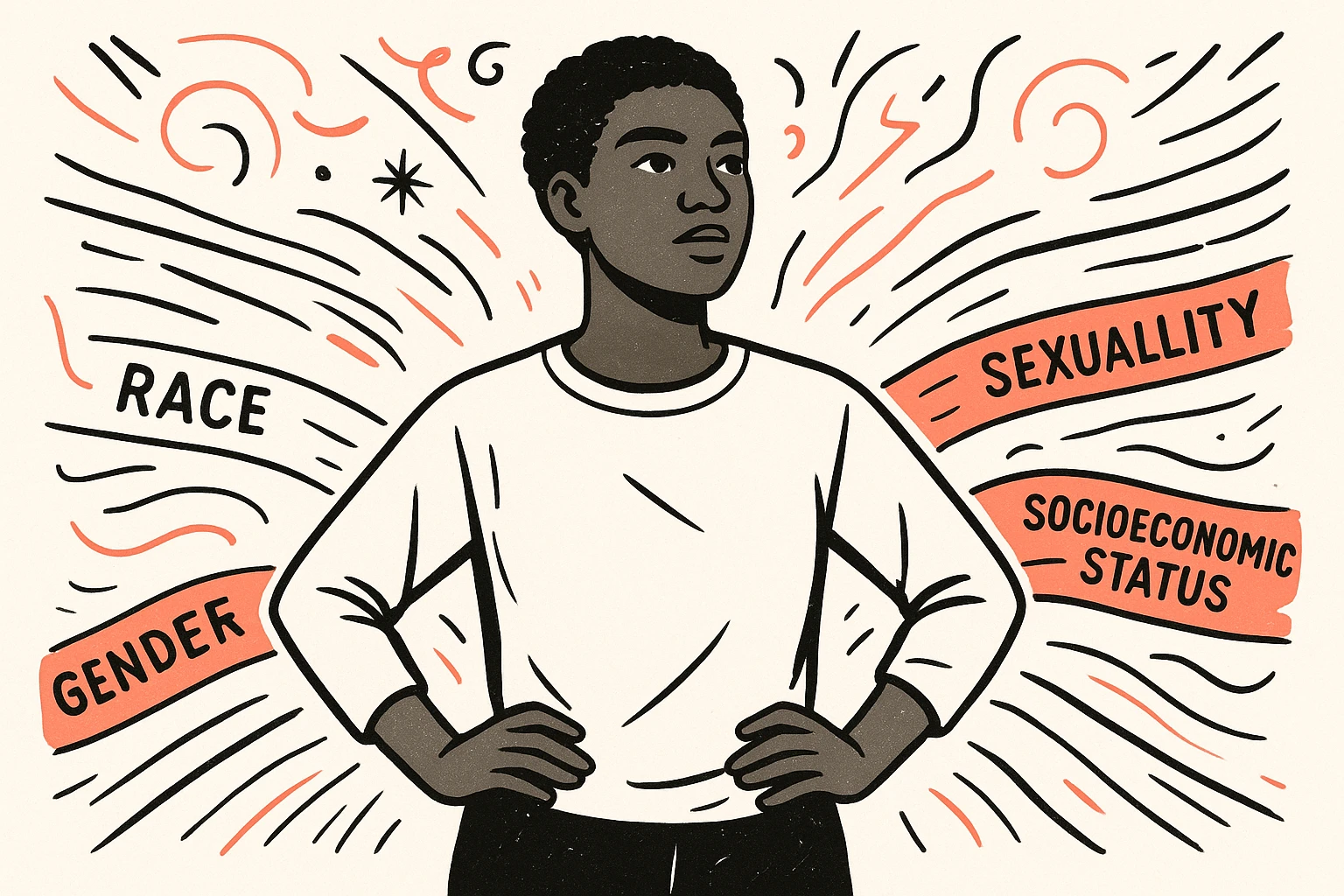
Here at My ADHD, we understand that your ADHD journey isn’t just about symptoms and coping mechanisms; it’s deeply intertwined with who you are—your race, gender, sexuality, and socioeconomic background. This isn’t about adding labels; it’s about acknowledging the amplified challenges and nuanced pathways to self-acceptance that come with multifaceted identities. We aim to be the trusted resource that helps you move from feeling misunderstood to confidently embracing your authentic self.
The "beautifully chaotic, endlessly fascinating, mildly exhausting mental internet" that defines ADHD touches every aspect of life. But for many, this internal landscape is further complicated by external societal pressures and expectations. The traditional understanding of ADHD, often based on studies of primarily cisgender, white boys, simply doesn't capture the whole picture.
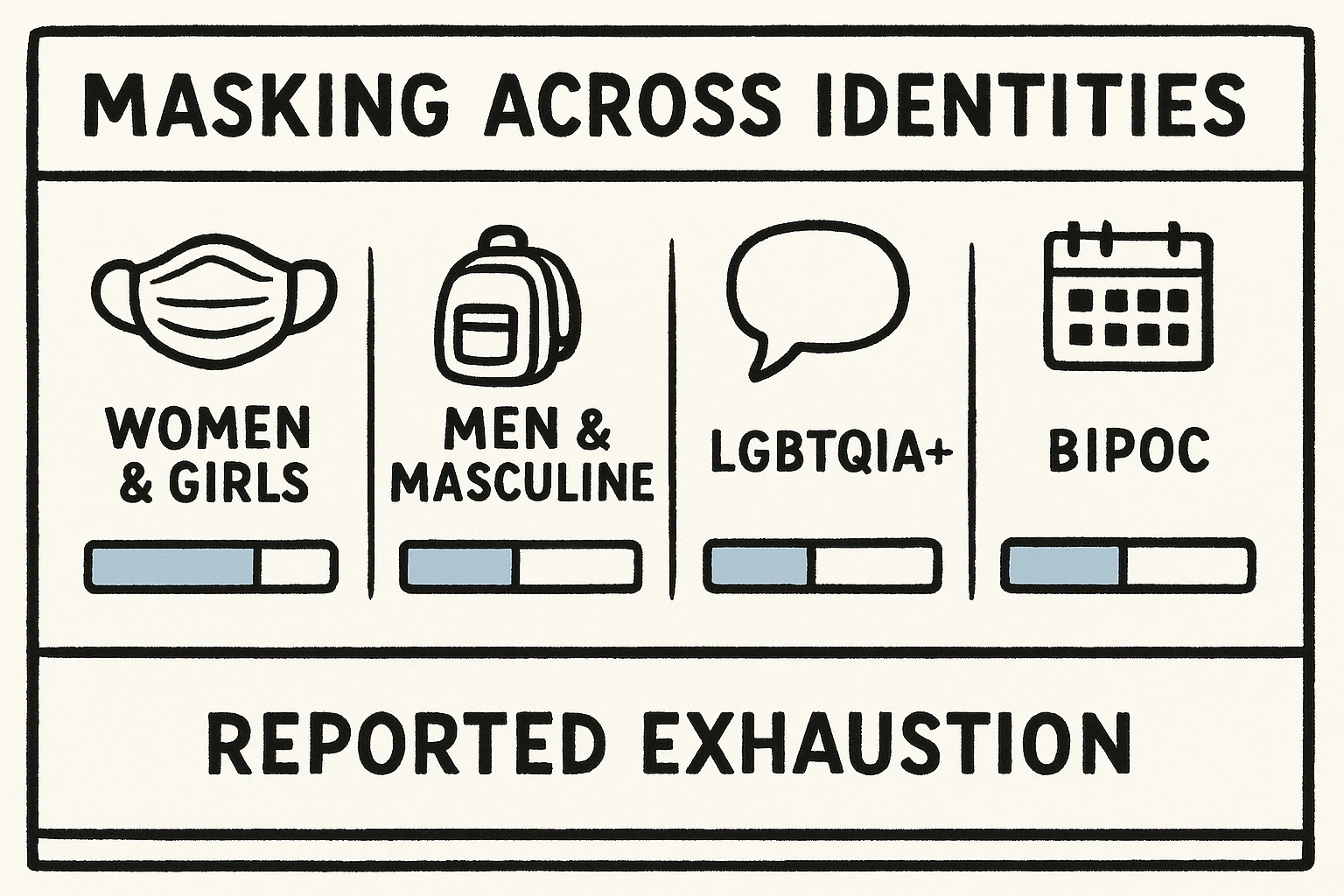
Masking is a common coping strategy for individuals with ADHD, where you consciously or unconsciously hide your neurodivergent traits to fit in. But for those with intersectional identities, the burden of masking is often heavier. Imagine managing your ADHD symptoms while simultaneously navigating cultural expectations, racial biases, or gendered stereotypes. This "double-masking" leads to significant emotional fatigue and can profoundly impact your sense of authenticity.
Consider the young woman of color who internalizes her inattentive ADHD symptoms to avoid being labeled "unbothered" or "lazy" by her family and community, who might already hold stigmas against mental health. Or the LGBTQIA+ individual who, already masking their identity in certain social settings, must further suppress their ADHD traits to avoid additional scrutiny or judgment. The pressure to conform is intense, and the path to self-acceptance becomes steeper.
A common and deeply hurtful misconception is that ADHD individuals are "lazy." While it’s true that executive dysfunction can make starting and completing tasks incredibly difficult, labeling it as laziness completely misses the neurological basis of ADHD. This mischaracterization is particularly damaging when it intersects with broader societal stereotypes.
For example, a Black man struggling with ADHD symptoms might face racist stereotypes that already paint him as irresponsible or unmotivated. The impact of ADHD symptom presentation in socioeconomic contexts can also be severe. If you're managing ADHD symptoms in a demanding, low-wage job without access to resources, the idea of "just trying harder" is not only unhelpful but deeply invalidating. When resources are scarce, the ability to manage ADHD might mean the difference between keeping a job or facing homelessness, highlighting the profound impact of intersectionality.
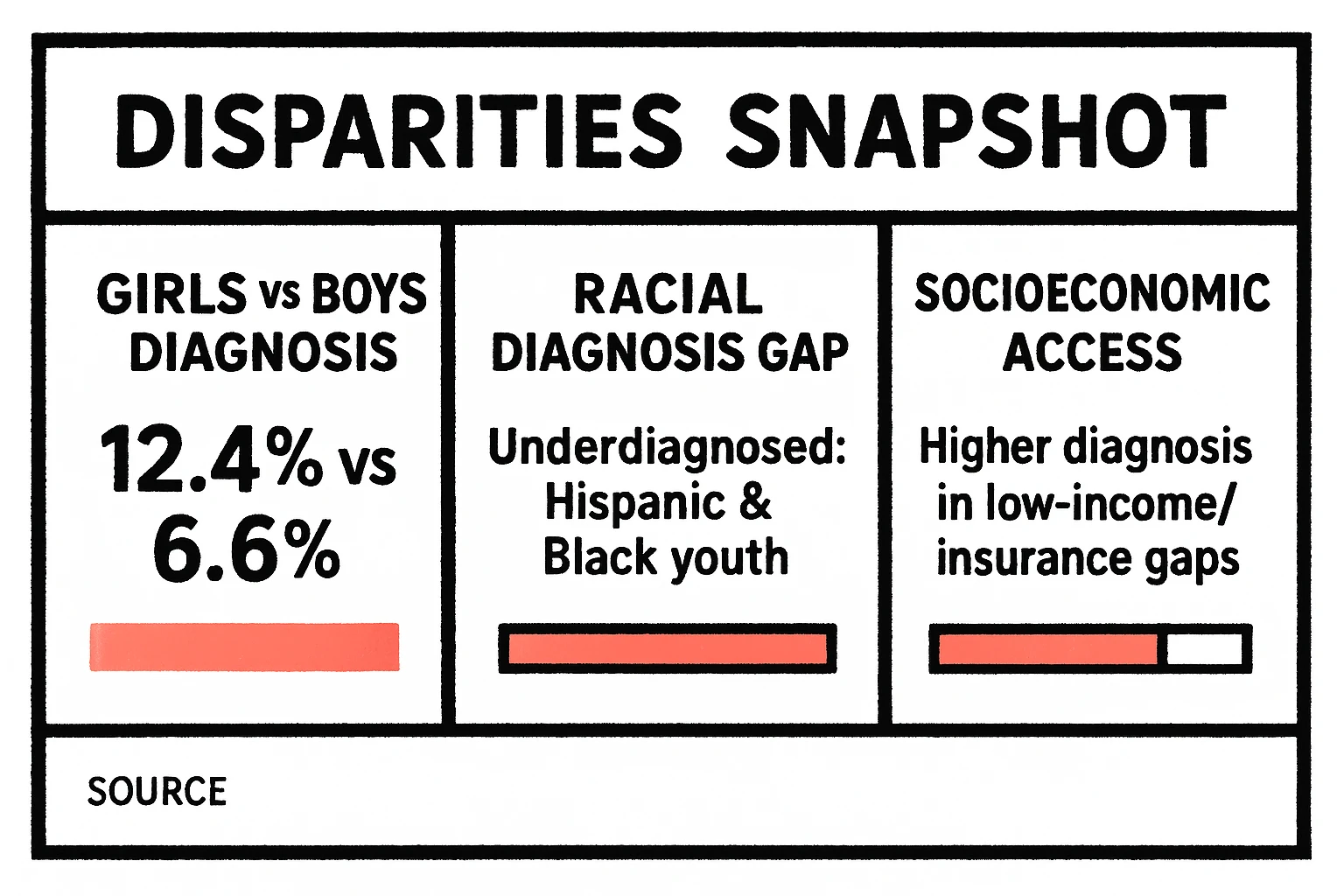
The gender disparity in ADHD diagnosis is well-documented: boys are diagnosed almost twice as often as girls in childhood (NIMH, CDC). This isn't because girls don't have ADHD, but because their symptoms often present differently – more inattentive, less hyperactive – and are further obscured by societal expectations.
Many women endure years of internal struggle, perfectionism, and anxiety before receiving a late diagnosis. They often develop sophisticated masking strategies to appear organized and in control, leading to burnout and a profound sense of inadequacy. Societal pressures to be nurturing, organized, and emotionally regulated clash directly with many ADHD traits, creating a unique internal conflict.
For non-binary and transgender individuals, the journey is even more complex. Navigating gender identity and societal expectations can be an intense, ongoing process. When ADHD is layered on top of this, it can lead to "double-masking"—hiding both neurodivergent and gender identity traits. The internal cognitive load is immense, often resulting in increased anxiety and depression. Finding validating spaces and resources that acknowledge this dual experience is crucial for mental well-being and authenticity.
Race and cultural background profoundly influence how ADHD is perceived, diagnosed, and supported. Systemic biases in healthcare and education mean that individuals from marginalized racial and ethnic groups often face significant hurdles.
Research shows that White and Black youth sometimes receive higher diagnosis rates than Hispanic children, and Black and Latino/Hispanic youth are less likely to receive diagnoses than their White peers, even when other factors are controlled. This isn't about biology; it's about systemic issues:
This means many individuals of color with ADHD suffer in silence, their struggles unseen or misattributed.
For individuals from certain racial or ethnic backgrounds, "code-switching" – adapting one's behavior, language, and appearance to fit different cultural contexts – is a common survival strategy. When ADHD is part of the equation, this internal switching becomes an even greater mental load. Imagine the hypervigilance required to mask ADHD symptoms and constantly adjust your presentation to conform to dominant cultural norms. This can lead to chronic stress, identity confusion, and a feeling of never truly being "enough".
Compare masking burden across identities with clear progress bars and empathetic visuals to highlight where emotional exhaustion concentrates for decision-making.
The overlap between neurodivergence and LGBTQIA+ identities is increasingly recognized. Research suggests a higher prevalence of ADHD within the LGBTQIA+ community, though the reasons are still being explored. What's clear is that individuals identifying as both neurodivergent and LGBTQIA+ often face amplified challenges on their path to self-acceptance.
This intersection can mean:
For these individuals, a safe space like My ADHD that validates their unique experiences, including the "adhd drawings with deep meaning" or the question "adhd and talking to yourself," becomes a vital resource for self-discovery and community.
Socioeconomic status (SES) plays a critical role in the ADHD journey. Lower family income and reliance on public insurance are correlated with higher ADHD diagnosis rates, which can sometimes indicate a lack of access or differential diagnostic pathways.
Individuals in lower SES brackets often face:
Despite these formidable challenges, individuals with ADHD in low SES contexts often develop incredible resilience and resourcefulness. Their experiences highlight the strength of the human spirit to adapt and thrive against the odds, developing unique coping mechanisms and problem-solving skills that deserve recognition and support.
A clear, compassionate decision flow that maps noticing patterns to accessing care, highlighting practical barriers and next steps for action.

Understanding these intersections isn't just academic; it's a foundation for powerful advocacy. Moving beyond passive validation, we must actively build a world where all ADHD identities are seen, supported, and celebrated.
Knowledge is power. When you understand how your ADHD interacts with your other identities, you're better equipped to advocate for your needs in educational settings, workplaces, and healthcare environments. This means:
Advocacy also involves pushing for broader systemic change. This includes:
By sharing and amplifying diverse ADHD experiences, we chip away at the stigma (which is largely symptom-driven rather than label-driven, and create a more inclusive world.
Data-driven snapshot using bold numbers and bars to demonstrate diagnosis and access disparities, helping readers evaluate urgency and equity concerns.
Navigating claims and counter-claims is part of the evaluation process. We've gathered some common questions from those exploring their intersectional ADHD experience.
While symptom management is crucial, understanding intersectionality helps explain why some strategies might not work for you, or why you face additional barriers. For example, if traditional time-management advice falls flat, it might be due to the emotional toll of daily microaggressions, not a personal failing. Recognizing these layers helps you find more effective, personalized solutions and cultivates self-compassion.
It's often a complex interplay. ADHD can make you more vulnerable to the effects of discrimination (e.g., heightened Rejection Sensitive Dysphoria (RSD) when facing bias, and discrimination can exacerbate ADHD symptoms. The key is to acknowledge both. By seeking out culturally competent professionals and diverse communities, you can begin to untangle these threads and develop strategies that address both your ADHD and the impact of systemic issues.
This is a common and damaging experience, especially for those from marginalized communities. It's important to remember that ADHD is a neurodevelopmental condition. While cultural context shapes its expression and perception, it doesn't negate the underlying neurology. Seek out resources that validate your experience and clinicians who understand cultural nuances without pathologizing them. Your feelings of "how to stop being lazy with adhd" are valid, but the core issue often isn't laziness.
This is a critical need. While general ADHD support groups are helpful, look for online communities, local meetups, or advocacy organizations specifically tailored to ADHD and your other identities (e.g., ADHD for Women of Color, LGBTQIA+ Neurodivergent groups). Platforms like Reddit (r/ADHD, r/adhdwomen) can be a starting point for connection, as can organizations focused on specific demographics within the neurodivergent community.
Self-advocacy is a marathon, not a sprint. Start small. Educate one trusted person about your experience. Seek professional help to build coping mechanisms for advocacy without burnout. Connect with others who share your identity; their collective strength can empower you. Remember, advocacy isn't always about grand gestures; sometimes it's simply about validating your own needs and saying "no" when you need to conserve energy.

Understanding the lived experience of intersectional ADHD is deeply affirming. It moves beyond a purely clinical lens to acknowledge the rich, complex tapestry of your identity. You deserve resources that truly resonate with your whole self.
We encourage you to explore our upcoming sub-silos:
Your journey to authenticity is a powerful one. Let us guide you as you navigate your beautifully chaotic, endlessly fascinating mental internet, helping you connect the dots between your ADHD and your multifaceted identity.