Emotional Masking ADHD Complete Guide to Unmasking
Learn how emotional masking drains energy, increases anxiety, and erodes identity. Discover practical steps to unmask, rebuild emotional regulation, and get help.
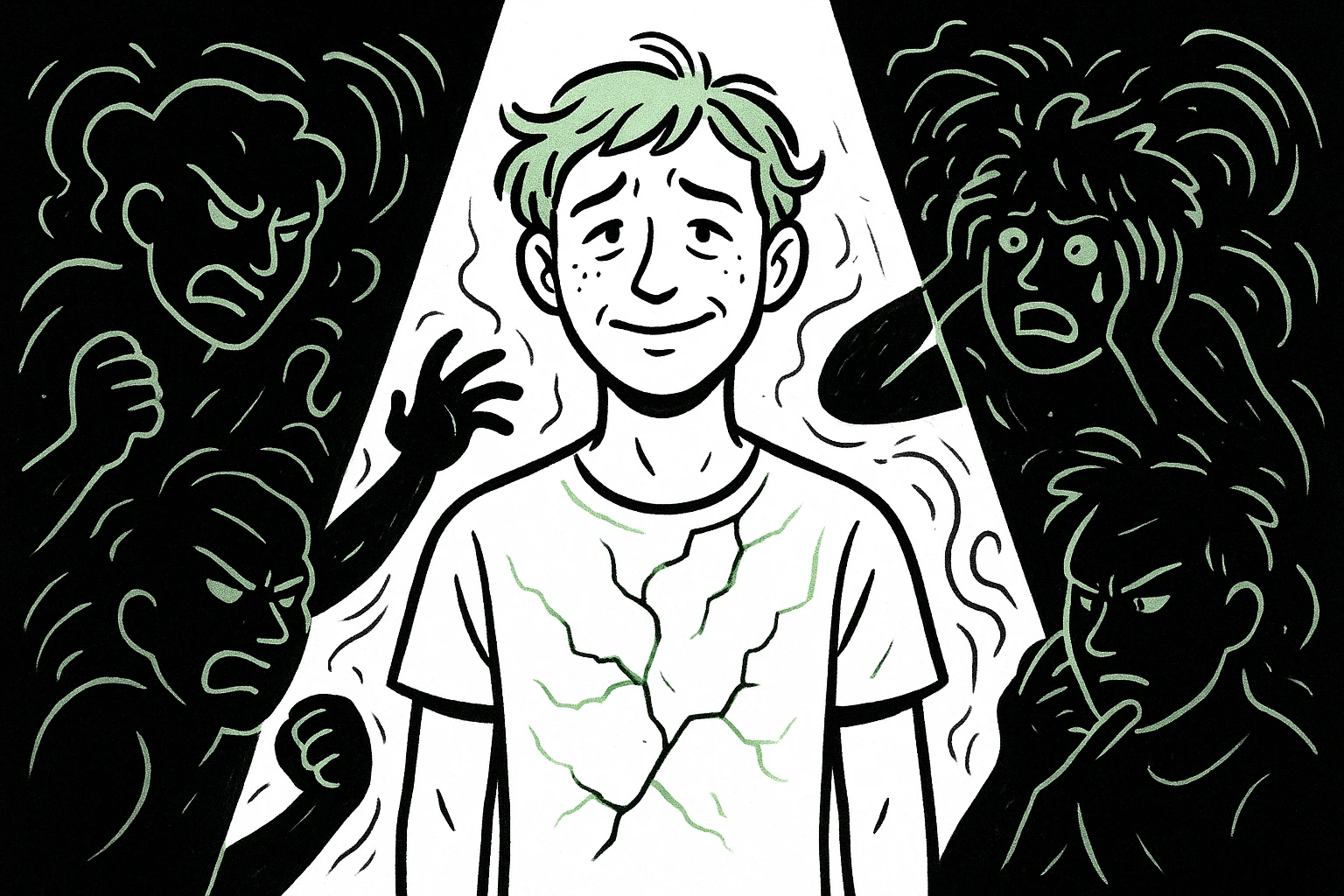
You've likely felt it – that constant, subtle pressure to blend in, to smooth over the edges of your uniquely wired brain. It's the silent playbook we learn, often unconsciously, as individuals with ADHD: the art of emotional masking. Masking isn't just about camouflaging hyperactive movements or struggling with focus; it's profoundly about suppressing your natural emotional responses, all to conform to neurotypical expectations. This isn't a small act; it's a profound performance that carries an immense, often hidden, psychological and physiological cost.
For someone actively evaluating how to navigate their ADHD experience, understanding this cost is paramount. It’s not about finding fault, but about recognizing the trade-offs you might unknowingly be making for a momentary sense of acceptance.
To appear "normal" in a world not designed for your brain, masking becomes a survival mechanism. It's an adaptive strategy learned over years to avoid judgment, criticism, or misunderstanding. You might have been told, "You're too sensitive," "Calm down," or "Why are you so emotional?" These phrases, harmless as they may seem to others, embed a potent message: your natural emotional expression is unacceptable.
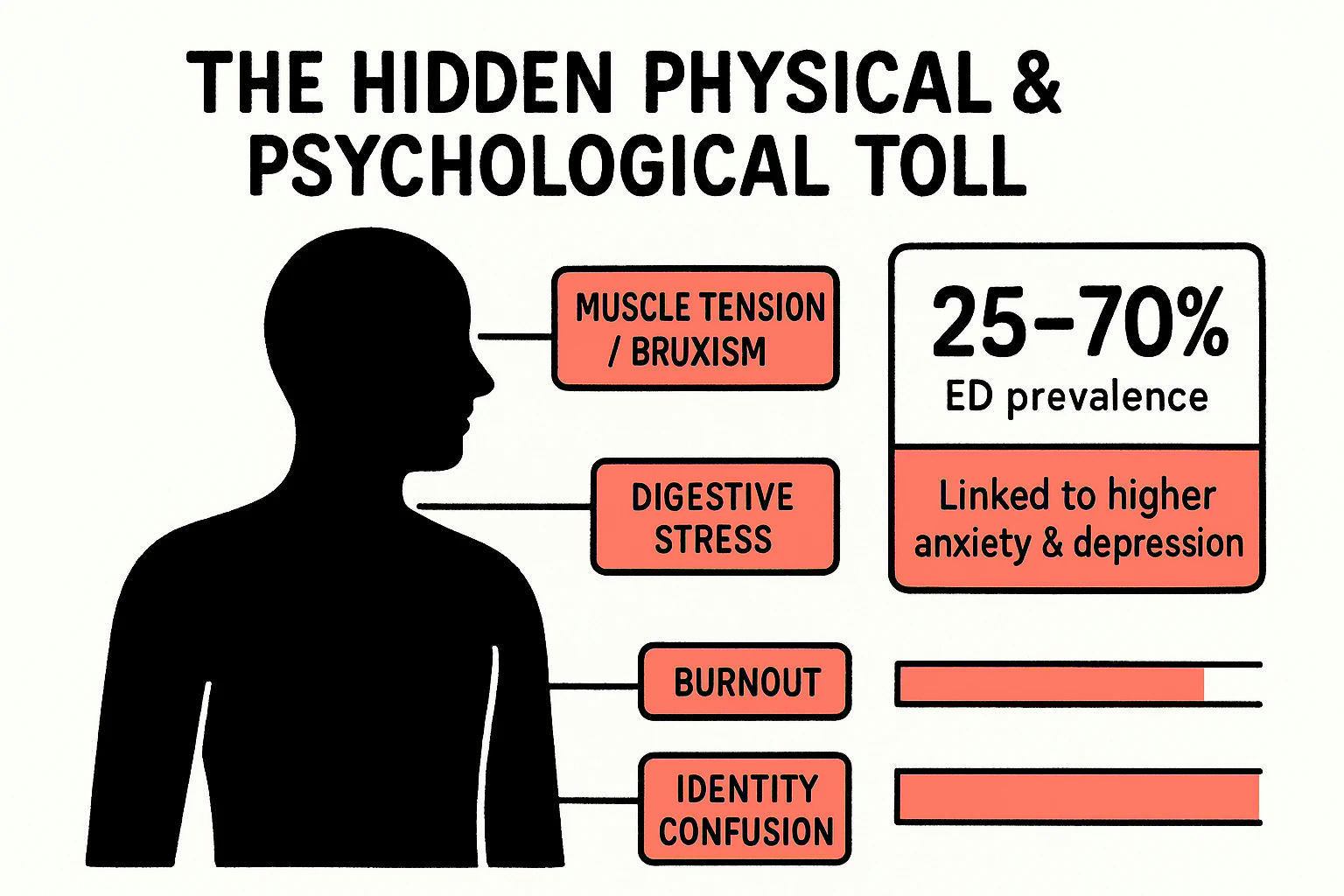
A primary driver of this is the pervasive fear of judgment and the internalized stigma surrounding ADHD. Studies show that a significant portion—22.3% of adults with ADHD—report high internalized stigma, which fuels these masking behaviors. This isn't just a social construct; there's a neurological component. ADHD often involves a delayed maturation of the prefrontal cortex, the brain region responsible for executive functions like emotional regulation. This can mean that emotional dysregulation (ED), characterized by intense, rapidly shifting emotions, is a core feature for 25-70% of individuals with ADHD. When you struggle to regulate emotions internally, attempting to hide them externally becomes a default setting.
Imagine a side-by-side comparison. On one hand, you have the immediate social benefits of masking: avoiding conflict, fitting in, appearing composed. On the other, there are the measurable long-term costs that slowly erode your well-being. This isn't merely a personal feeling; it's a documented phenomenon.
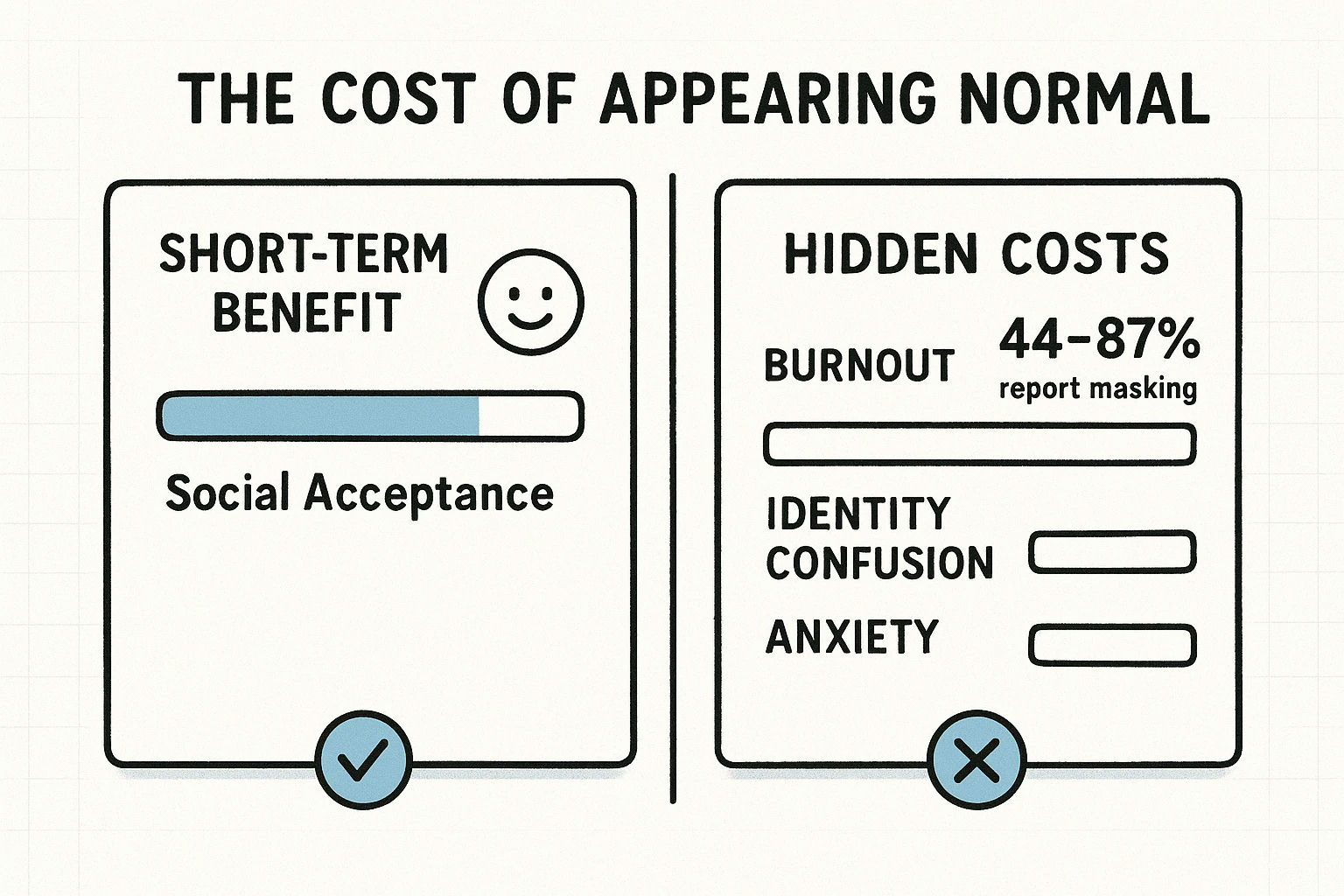
The statistics bear this out: 44% to 87% of individuals with ADHD frequently use masking. And it's not evenly distributed; females are notably more likely to mask symptoms, often leading to underdiagnosis, as their internal struggles are less visible.
The effort to continually suppress your true self and present a neurotypical facade doesn't come cheap. It's an energy-intensive process that leads to burnout and profound exhaustion. Think of the mental load involved: constantly monitoring your body language, modulating your tone, editing your spontaneous thoughts, and faking engagement. It's like running a marathon every single day, internally, just to navigate basic social interactions.
This chronic self-regulation also exacts a heavy toll on your mental health. Suppressed emotions don't vanish; they often morph into heightened anxiety and depressive states. Emotional dysregulation directly correlates with higher rates of anxiety (27.4% in children with ADHD) and depression. The energy spent maintaining the mask leaves little room for genuinely processing feelings, leading to a build-up. Additionally, the constant fear of rejection, a hallmark of Rejection Sensitive Dysphoria (RSD) that's often tied to ADHD, intensifies the need to mask, creating a vicious cycle where the fear of judgment drives hiding, which in turn leads to deeper isolation and internal distress. Many individuals with ADHD report experiencing racing thoughts that leave them feeling mentally exhausted and even physically unwell.
The physical manifestations are equally concerning. Chronic stress from masking can lead to muscle tension, digestive issues, and even jaw clenching, commonly known as bruxism. Your body is mirroring the internal struggle, indicating that emotional suppression is not just a mental burden, but a whole-body experience.
Perhaps the most devastating cost is the profound impact on identity. Prolonged masking leads to a dissociation from your "true self," often resulting in identity confusion and significantly lowered self-esteem. When you constantly pretend to be someone you're not, you lose touch with who you actually are.
Unmasking is not about abandoning all social courtesies or having uncontrolled emotional outbursts. It’s about building a healthier relationship with your internal world and gradually expressing your authentic emotional self in safe, supportive environments. It's a journey, not a destination, and it helps to have a clear roadmap.

The first step is simply noticing. What are your personal masking behaviors? What situations or emotions trigger the urge to mask? Journaling can be incredibly powerful here. When those familiar racing thoughts or intense mood swings surface, instead of suppressing them, try writing them down. This act of externalizing helps you observe, rather than embody, the emotion. Begin to distinguish when you are genuinely coping versus when you are masking to avoid discomfort. This initial awareness is the bedrock of unmasking.
This phase involves actively learning about your emotional landscape. Understanding emotional dysregulation (ED) as a core ADHD trait, rather than a personal failing, is crucial. Explore techniques for processing and naming emotions. Instead of saying, "I feel bad," try to identify the specific emotion: "I feel frustrated," or "I feel overwhelmed." Mindfulness and grounding practices, such as focusing on your breath or the sensations in your body, can help you observe emotions without judgment, creating a pause before reaction. For some, tools like Deep Pressure Therapy (DPT), which provides a calming sensation by engaging the parasympathetic nervous system, can be valuable for managing sensory overload and anxiety, creating a foundation for emotional processing.
With greater self-awareness and emotional literacy, you can begin to cautiously express yourself. Start with trusted individuals – a close friend, family member, or therapist. Practice communicating your needs and boundaries. Building a supportive "unmasking circle" is vital; these are the people who can offer empathy, patience, and non-judgmental listening. Regularly practicing self-compassion helps quiet the internalized critic that fuels masking. Remember, seeking professional help, whether it's therapy like CBT or DBT tailored for ADHD emotional regulation, or medication management, can provide essential support tailored to your unique challenges. Our ADHD directory can help you find qualified professionals who understand the nuances of the neurodivergent experience.
Unmasking isn't a solitary act; it ripples through your relationships. For partners, family members, and friends of individuals with ADHD, supporting this journey is incredibly important.

For the individual unmasking:
For partners/family members:
Emotional masking is the conscious or unconscious effort by individuals with ADHD to suppress, hide, or alter their natural emotional responses and expressions to conform to perceived neurotypical social norms. It's pretending to feel or react differently than you genuinely do.
Several factors contribute. People with ADHD often experience emotional dysregulation, making their emotions feel intense and difficult to manage. They may also have faced criticism, rejection, or misunderstanding for their emotional expressions in the past, leading to a learned behavior of hiding feelings to avoid negative consequences. The chronic management of other ADHD symptoms can cause intense mood swings and distress, further prompting a desire to appear calm.
The long-term effects include chronic burnout and exhaustion, heightened anxiety and depression, identity confusion, low self-esteem, self-estrangement, and physical symptoms like muscle tension and bruxism. It can also hinder the development of healthy emotional processing skills.
Emotional dysregulation (ED) is a core feature of ADHD, meaning difficulty managing and modulating emotions. For many, the effort to appear "normal" in social settings when experiencing ED leads directly to masking. It's often easier to hide the intense internal experience than to try and regulate it in real-time or face judgment for its expression.
No. Unmasking is a nuanced process. It’s about building self-awareness, developing healthier emotional regulation strategies, and gradually choosing to express your authentic self in safe, supportive environments. It's not about uncontrolled outbursts, but about intentionality, self-compassion, and selective vulnerability. Starting with a personal journey of self-reflection is critical. For resources on structured self-reflection, consider exploring our guides on effective ADHD coping mechanisms.
Begin with self-awareness: identify your masking behaviors and triggers. Journaling your emotions can be a powerful tool to observe them without judgment. Then, gradually practice expressing small, authentic emotions with one or two trusted individuals. Consider seeking guidance from a therapist specializing in ADHD.
Understanding the profound costs of emotional masking is the first critical step toward reclaiming your authentic self. It's a journey that demands patience, self-compassion, and a willingness to explore your inner world, even the "beautifully chaotic" parts. Your ADHD is part of who you are, not something to be perpetually hidden. By gradually unmasking, you open the door to deeper self-acceptance, more genuine connections, and a life lived with greater emotional well-being.
Begin your journey today by exploring our resources on understanding emotional dysregulation and identifying the tools that resonate with your path toward authenticity.