Adult ADHD Relationships Guide to Build Authentic Bonds
Learn how to build authentic connections with adult ADHD. Find communication strategies, boundary setting scripts, and community options to strengthen your relationships.

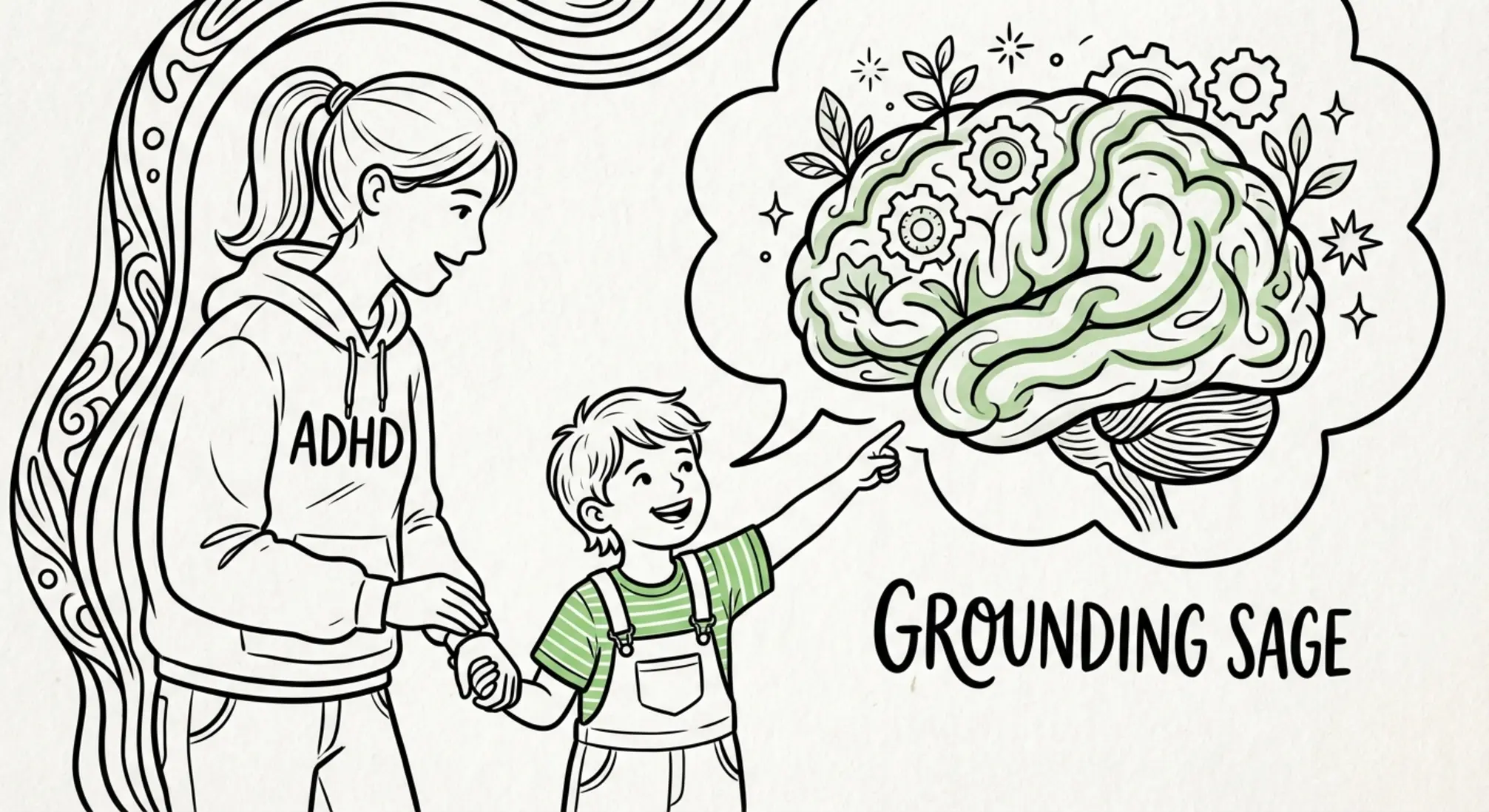
For adults living with ADHD, the path to genuine connection in relationships and social settings often feels like navigating a complex maze. You're constantly evaluating how much to share, when to share it, and how to ensure you're truly understood without judgment. This isn't just about managing symptoms; it's about claiming your authentic self, unmasking from years of societal expectations, and empowering your relationships with honesty and insight.
The challenge is real. Approximately 70% of adults with ADHD experience problems with emotional regulation, which can lead to increased conflict and a sense of isolation in social settings. This isn't a character flaw; it's a neurobiological reality. ADHD's impact on social interaction is rooted in differences in executive functions—like cognitive flexibility and emotional control—and neurotransmitter dysregulation. These differences can impair the ability to read social cues, regulate emotions, and maintain sustained social attention. It's no wonder that 96% of partners of adults with ADHD report interference with household management or other domains, leading many to consider divorce.
But what if these challenges also hold the key to deeper, more authentic connections? The rising diagnoses of adult ADHD (a 15% increase between 2020 and 2023) and the growing "unmasking" trend highlight a collective desire for genuine self-expression. This article is your guide to confidently navigating the complexities of relationships, fostering understanding, and building a supportive tribe that celebrates your neurodivergent self.
Many adults with ADHD spend years "masking"—consciously or unconsciously suppressing their ADHD traits to fit into neurotypical social norms. This might look like meticulously planning conversations to avoid interruptions, overcompensating in organizational tasks, or exhausting yourself by constantly monitoring your impulses. While masking can offer temporary social acceptance, the long-term psychological toll is immense. It fuels internalized shame, prevents genuine connection, and can lead to burnout and a profound sense of loneliness.
Unmasking isn't about abandoning social skills; it's about choosing authenticity. It means understanding and communicating your unique needs and strengths, allowing loved ones to truly see and support you. This journey requires self-compassion and courage, but the reward is relationships built on mutual understanding, respect, and genuine connection.
One of the most significant hurdles in ADHD-impacted relationships is communication. Misunderstandings arise not from a lack of care, but from differing processing styles. Your partner might interpret your inattention as disinterest, or your impulsivity as recklessness. Bridging this gap requires intentional communication strategies.
Before you dive into a deep conversation, consider the following:
Deciding when and how to disclose your ADHD diagnosis to loved ones is a personal choice, but it’s a critical step toward authentic connection. It allows you to explain behaviors that might otherwise be misinterpreted and invites understanding rather than judgment.
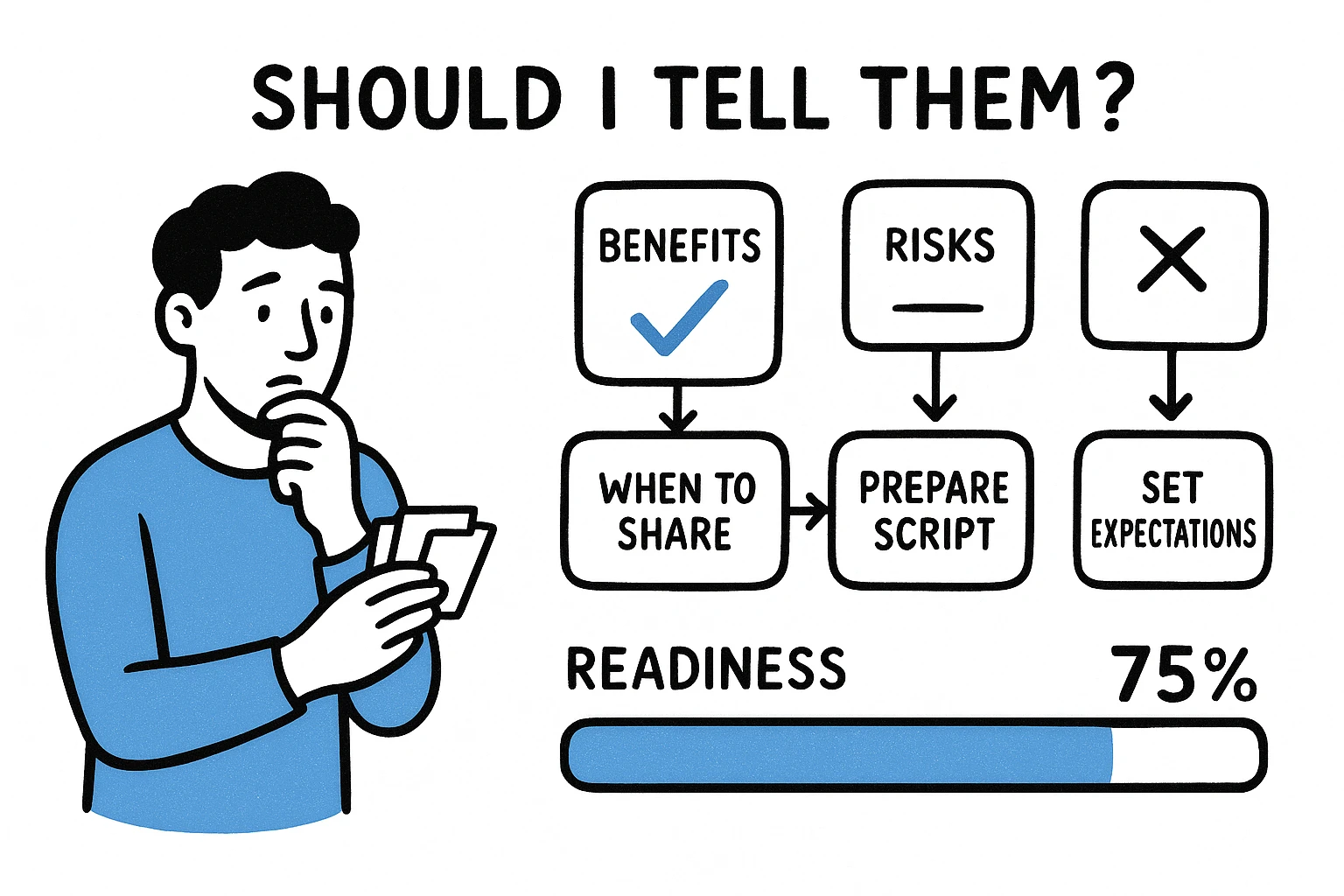
When ready, approach the conversation using clear, "I" statements. For example, instead of "You always ignore me when I talk," try "I sometimes struggle to stay focused on long conversations, which makes me feel unheard. This is part of my ADHD, and I'm learning strategies to manage it."
Even after disclosure, ongoing communication requires continuous effort.
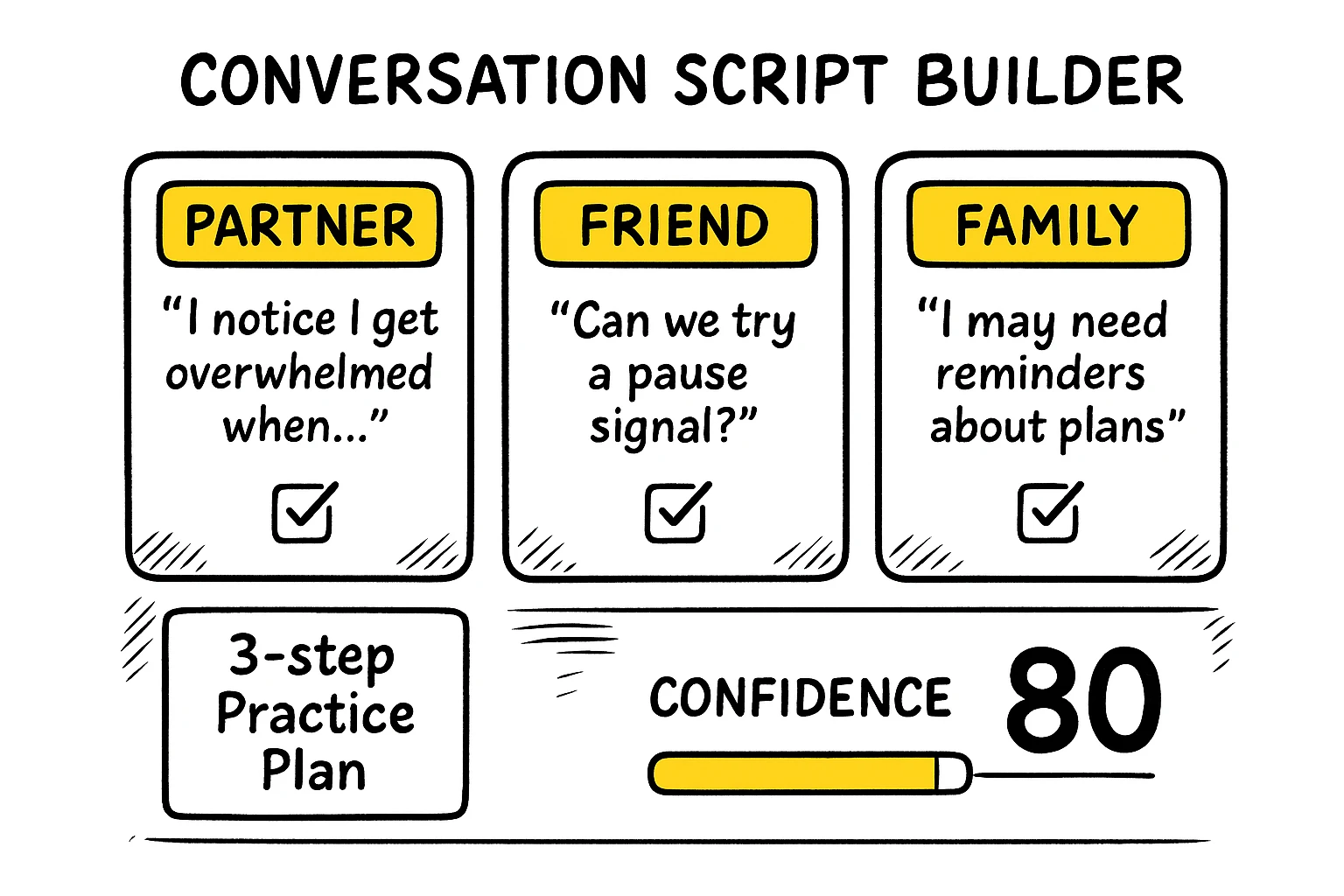
For a deeper dive into these strategies, explore our guide on Effective Communication Strategies for ADHD-Impacted Relationships.
Setting boundaries is crucial for maintaining your well-being, especially as an adult with ADHD. Yet, it can be particularly challenging due to factors like impulsivity, a tendency towards people-pleasing, and Rejection Sensitive Dysphoria (RSD). The fear of upsetting someone or being rejected can make saying "no" feel impossible.
Successful boundary setting involves clarity, clear communication, consistency, and a healthy dose of compassion and courage.
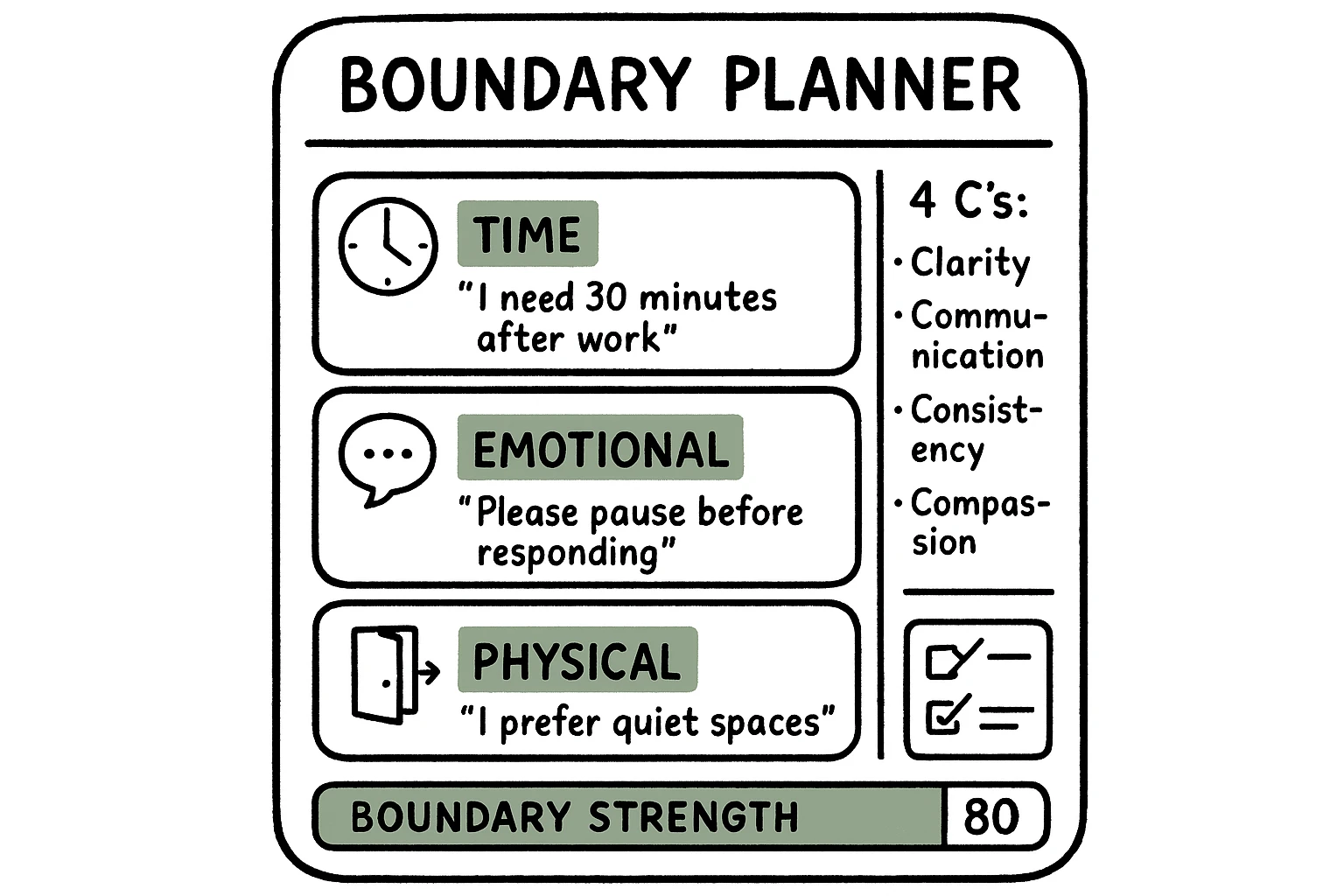
Setting boundaries isn't just about saying what you won't do; it's also about clearly communicating what you will do and what you need. For practical scripts and a step-by-step guide to protect your energy, read our comprehensive article on Boundary Setting for ADHD: Protecting Your Energy & Relationships.
One of the most powerful aspects of unmasking is connecting with others who truly "get it." Building a supportive neurodivergent community can reduce feelings of isolation, validate your experiences, and provide a space where your ADHD traits are understood and celebrated.
The unique value of such communities, whether online or local, cannot be overstated. They offer a safe space to share struggles and successes, exchange coping mechanisms, and simply exist without the pressure to mask. This is especially vital given that social skills are often acquired through observation and feedback, which children with ADHD might miss, a pattern that can persist into adulthood. Explicitly seeking out these communities can fill that gap.

Finding your tribe is a journey, not a destination. It requires patience and persistent effort, but the benefits of feeling understood and supported by peers who truly "get it" are immeasurable. Explore our guide on Building Your Neurodivergent Support Network: A Practical Guide for more strategies and resources.
If you're a partner or friend of an adult with ADHD, your role in fostering authentic connections is invaluable. Understanding that ADHD is a neurobiological difference, not a choice or a character flaw, is the first step toward genuine empathy.
Navigating relationships and social dynamics with adult ADHD is an ongoing journey of self-discovery, communication, and boundary setting. It's about embracing your authentic neurodivergent self and creating a life where you feel truly seen, understood, and supported.
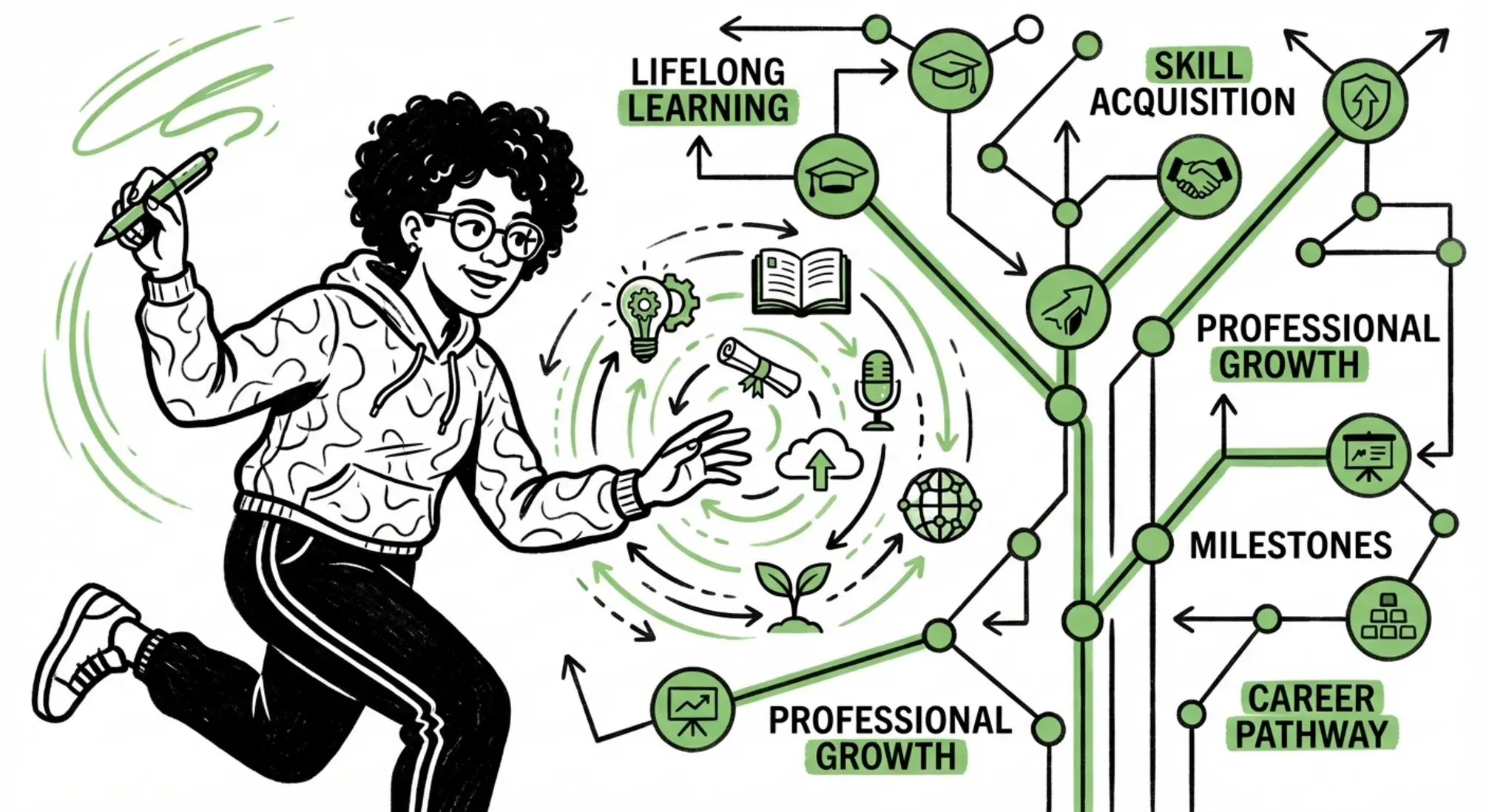
By understanding the neurological basis of your challenges, actively unmasking, practicing intentional communication, setting clear boundaries, and building your supportive tribe, you're not just managing ADHD—you're transforming it into a pathway for richer, more meaningful connections. You're building a foundation for relationships that thrive on authenticity, empathy, and mutual respect.
The core symptoms of ADHD—inattention, impulsivity, and emotional dysregulation—can significantly impact relationships. For example, inattention might manifest as missing details in conversations, impulsivity can lead to interrupting or rash decisions, and emotional dysregulation can cause intense reactions or mood swings. These aren't intentional but are rooted in neurobiological differences, particularly in executive functions and neurotransmitter regulation. This often leads to misunderstandings, frustration, and a sense of feeling unheard or unseen by both parties.
ADHD masking refers to the conscious or unconscious effort by individuals with ADHD to suppress their natural traits and behaviors to conform to neurotypical social expectations. This might involve overcompensating (e.g., extreme organization to hide forgetfulness), rehearsing conversations, or stifling impulses. While it can lead to temporary social acceptance, it's harmful because it prevents genuine connection, fuels internalized shame, and leads to significant mental and emotional exhaustion. Unmasking is crucial for authentic relationships and self-acceptance.
The key is to focus on understanding and collaboration, not excuses. Use "I" statements to explain how your ADHD impacts you (e.g., "I struggle with time blindness, which means I often misjudge how long tasks will take") rather than blaming. Provide concrete examples and offer resources from reputable organizations like ADDitude Magazine or CHADD for them to learn more. Emphasize that you're seeking their understanding and partnership in finding solutions, not a free pass for behaviors.
Interrupting is a common ADHD symptom linked to impulsivity and difficulty with working memory. Instead of reacting in the moment, choose a calm time to discuss it. You could say, "I value what you have to say, and I've noticed sometimes I lose my train of thought when I'm interrupted. Would you be open to trying a signal or a system where we can 'park' ideas until the other person finishes their thought?" This approach frames it as a shared challenge to improve communication, rather than an accusation. Establishing clear boundaries can really help here.
This is a very common challenge. It's important to recognize that managing executive functions can be genuinely difficult for someone with ADHD. The imbalance isn't usually intentional. Openly discuss the emotional and practical load you're carrying. Collaboratively brainstorm external systems and tools (calendars, apps, shared to-do lists, setting alarms) to help them take ownership. Consider asking them, "What support do you think would best help you remember X or initiate Y?" Remember, a structured approach to setting healthy boundaries can help distribute responsibilities more equitably.
Numerous supportive communities exist, both online and offline. Online, look for forums and groups on platforms like Reddit (e.g., r/ADHD, r/ADHD_partners), Facebook groups dedicated to adult ADHD, and specialized neurodivergent online communities. Locally, check for CHADD or ADDA chapters, which often host support groups. Additionally, pursuing hobbies where neurodivergent individuals often thrive (like gaming, specific crafts, or tech groups) can lead to authentic connections. The key is to seek out spaces where your ADHD traits are understood and affirmed, rather than stigmatized. Our guide on Building Your Neurodivergent Support Network provides more specific advice.