ADHD Strengths Guide How to Reclaim Traits and Thrive Now
Learn how to turn ADHD into advantage: harness hyperfocus, boost creativity, and advocate at work. Find practical steps to reclaim your strengths today.
The prevailing narrative around ADHD often feels like a constant evaluation of deficits—a checklist of what’s wrong, what’s difficult, what needs to be managed or overcome. But what if that perspective is incomplete, even misleading? What if the very traits often framed as challenges are, in fact, powerful assets waiting to be recognized and unleashed?
As you navigate the complex terrain of understanding ADHD, whether for yourself or a loved one, it’s natural to seek solutions that address difficulties. Yet, a truly comprehensive understanding requires shifting the lens, moving beyond mere symptom management to a deeper appreciation of the unique cognitive blueprint that ADHD provides. This isn't about ignoring challenges, but about acknowledging an undeniable truth: many traits associated with ADHD—from intense focus to boundless creativity—can be incredible strengths.
This shift in perspective is more than just positive thinking; it’s backed by research and lived experience. It's about empowering you to reclaim these traits, transforming them from perceived weaknesses into your most potent advantages.
For too long, ADHD has been viewed primarily through a deficit-based lens, focusing on what individuals struggle with rather than what they excel at. This framing can be debilitating, often leading to feelings of inadequacy, self-doubt, and a constant battle against one’s own nature. However, a growing body of evidence and countless personal narratives reveal a different picture: ADHD comes with a suite of inherent strengths that, when understood and leveraged, can lead to extraordinary achievements and fulfilling lives.
Our goal isn't to downplay the very real challenges that come with an ADHD diagnosis. Instead, it's to provide a balanced, empowering perspective that validates your experience and offers actionable strategies to harness your unique potential in both professional and personal spheres. This isn't just about coping; it's about thriving.
Let’s be clear: having ADHD doesn't mean your brain is broken. It means your brain is wired differently, operating with a unique set of operating principles that can confer distinct advantages. While attention regulation and executive functions can present hurdles, these same neurological pathways often contribute to heightened creativity, intense focus under certain conditions, and remarkable resilience.
For instance, did you know that research indicates 78% of people with ADHD experience hyperfocus symptoms at least once in their lives? (PMC.ncbi.nlm.nih.gov). This isn't a mere anecdote; it's a statistically significant advantage. Similarly, studies show individuals with ADHD often excel in divergent thinking, generating a higher volume of original and novel ideas compared to neurotypical individuals. This isn't a flaw; it's a design feature for innovation (ScienceDaily, PMC.ncbi.nlm.nih.gov).
This strengths-based approach improves well-being, enhances quality of life, and helps reduce the perceived disability associated with ADHD (Psychological Medicine, Bath.ac.uk). It’s time to move past the idea of merely "managing" ADHD and start truly leading with it.
Hyperfocus, often described as an intense, sometimes involuntary, immersion in a task or interest, is arguably one of the most potent "superpowers" of the ADHD brain. While it can lead to neglecting other responsibilities, when directed intentionally, it becomes an unparalleled tool for deep work and passion projects.
Understanding how to intentionally trigger and manage hyperfocus is key. Instead of waiting for it to strike randomly, you can cultivate environments and practices that encourage its emergence on demand. This involves identifying tasks that genuinely engage your interest, minimizing distractions, and setting clear, compelling objectives.
Instead of fighting your focus, learn to direct it. Protecting these periods of intense concentration and establishing clear boundaries for when and where they occur can transform a potentially disruptive trait into a powerful asset. Smooth transitions and recovery strategies are equally important, preventing burnout and ensuring you can return to baseline effectively.
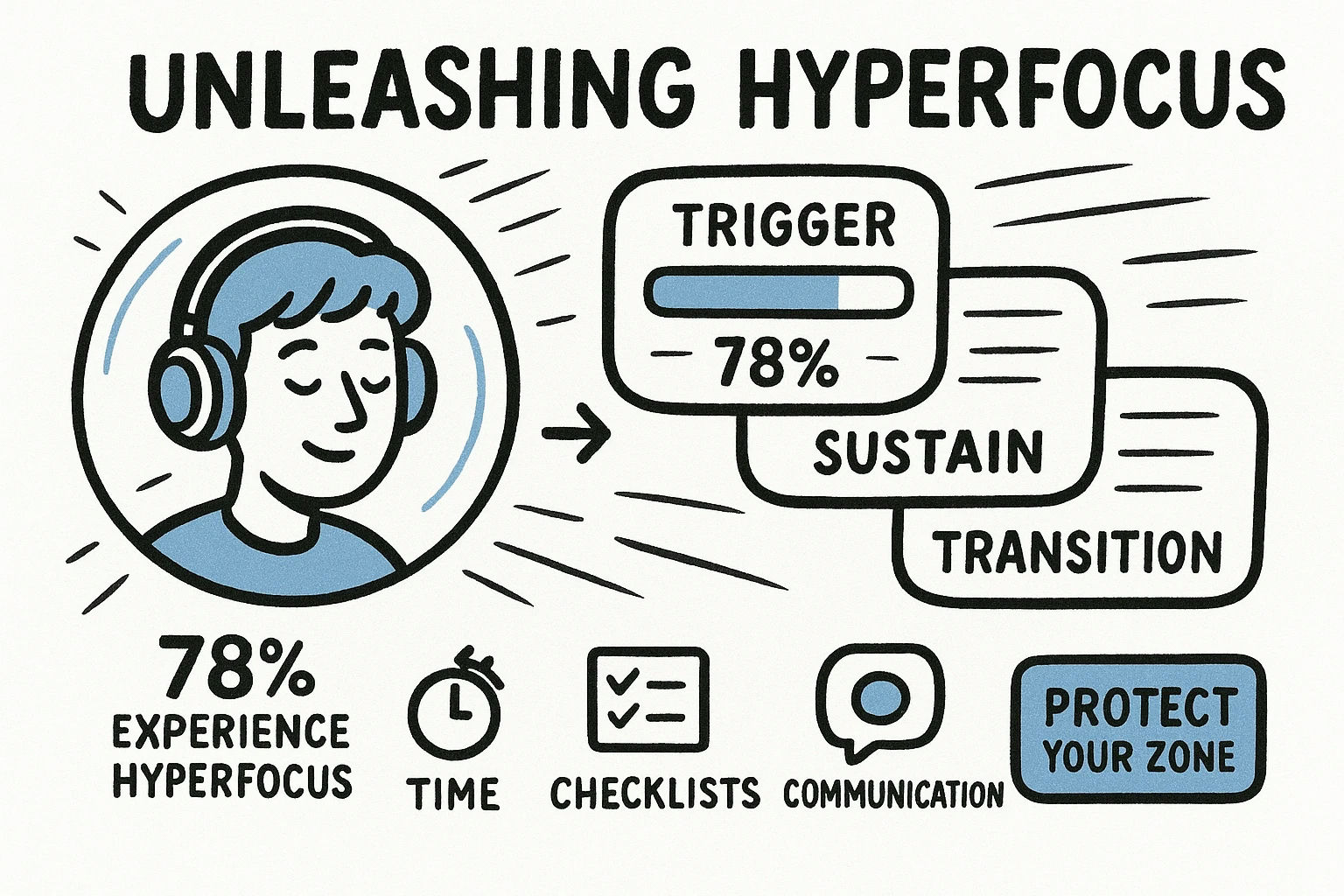
A practical playbook helps you take control:
The ADHD mind is often a hotbed of ideas, connections, and out-of-the-box thinking. This tendency towards divergent thinking—exploring multiple solutions and possibilities simultaneously—is a hallmark of creativity. This isn't just about artistic endeavors; it applies to problem-solving, innovation, and strategic thinking in nearly every field.
Living with ADHD often fosters adaptive intelligence, allowing for quick thinking and pattern recognition that helps you thrive even in chaotic circumstances. This ability to spot unusual connections and generate novel approaches means you’re often a step ahead when it comes to creative solutions.
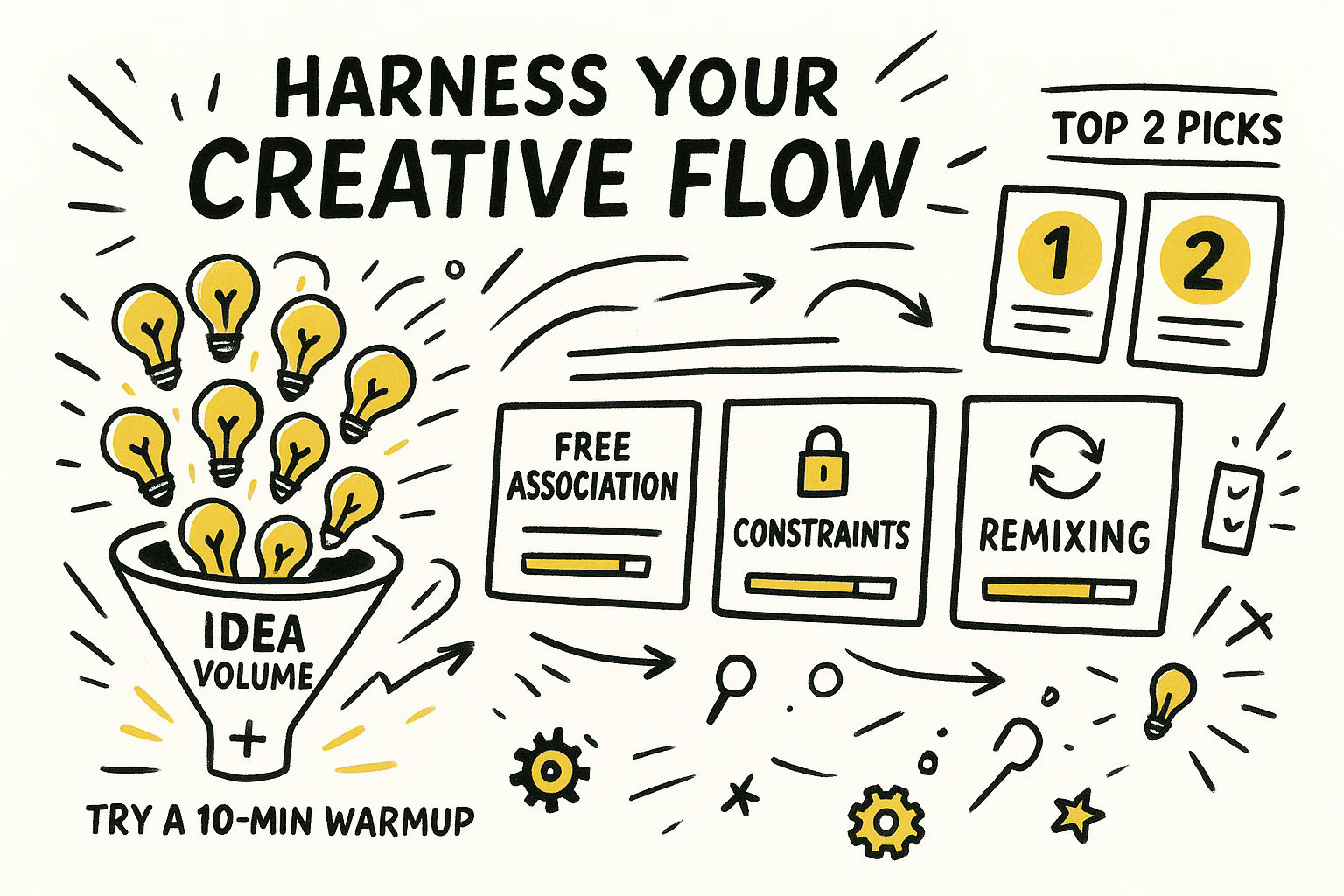
To harness your "idea abundance," consider:
Life with ADHD demands constant adaptation. From navigating executive dysfunction to managing emotional dysregulation, individuals with ADHD are, by necessity, incredibly resilient. This continuous process of problem-solving and bouncing back from setbacks builds a unique mental fortitude that neurotypical individuals may not develop to the same degree.
This inherent resilience extends to adaptability. The ADHD brain is often highly attuned to its environment, capable of shifting gears quickly and improvising solutions on the fly. This can be invaluable in fast-paced or unpredictable situations, where rigid thinking might falter.
Embracing this strength means understanding that your past challenges weren't failures, but training grounds. Each hurdle overcome strengthened your capacity to adapt and persevere, shaping you into a formidable problem-solver.

Consider how your unique traits align with different career paths:
By understanding how your traits align with specific job demands, you can purposefully seek out environments where your ADHD isn’t just tolerated, but celebrated.
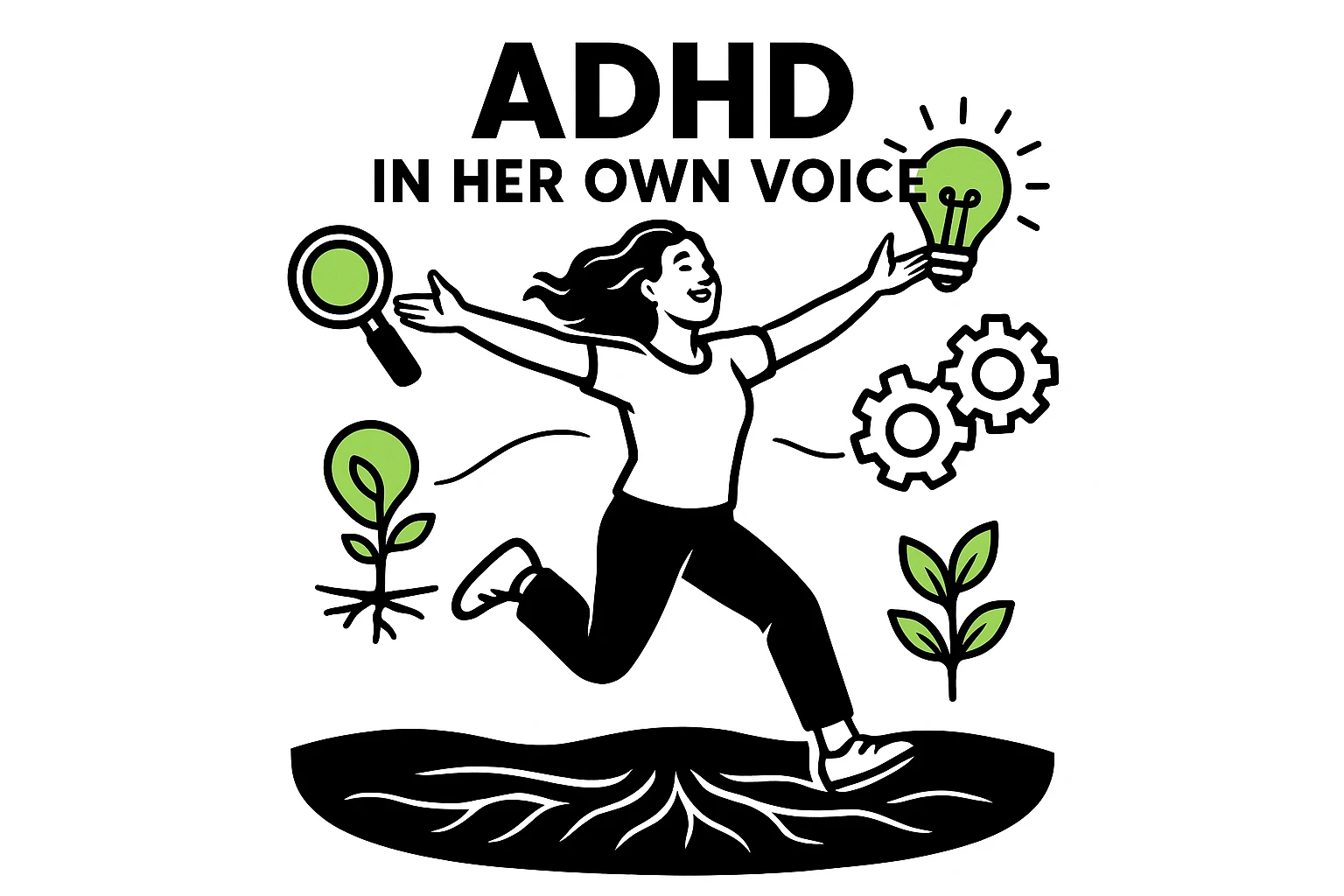
The experience of ADHD often differs significantly for women and girls. Often masked by societal expectations, internalizing symptoms like inattentiveness, anxiety, and depression can be more prominent than the externalizing hyperactivity often associated with the condition (PMC.ncbi.nlm.nih.gov, HelpGuide.org). This frequently leads to delayed diagnoses and years of feeling misunderstood or "not enough."

For women with ADHD, reclaiming traits involves:
The journey for women with ADHD is often about peeling back layers of masking and societal conditioning to uncover the intelligent, empathetic, and resilient individual beneath. By acknowledging unique challenges, we open the door to unique strengths.
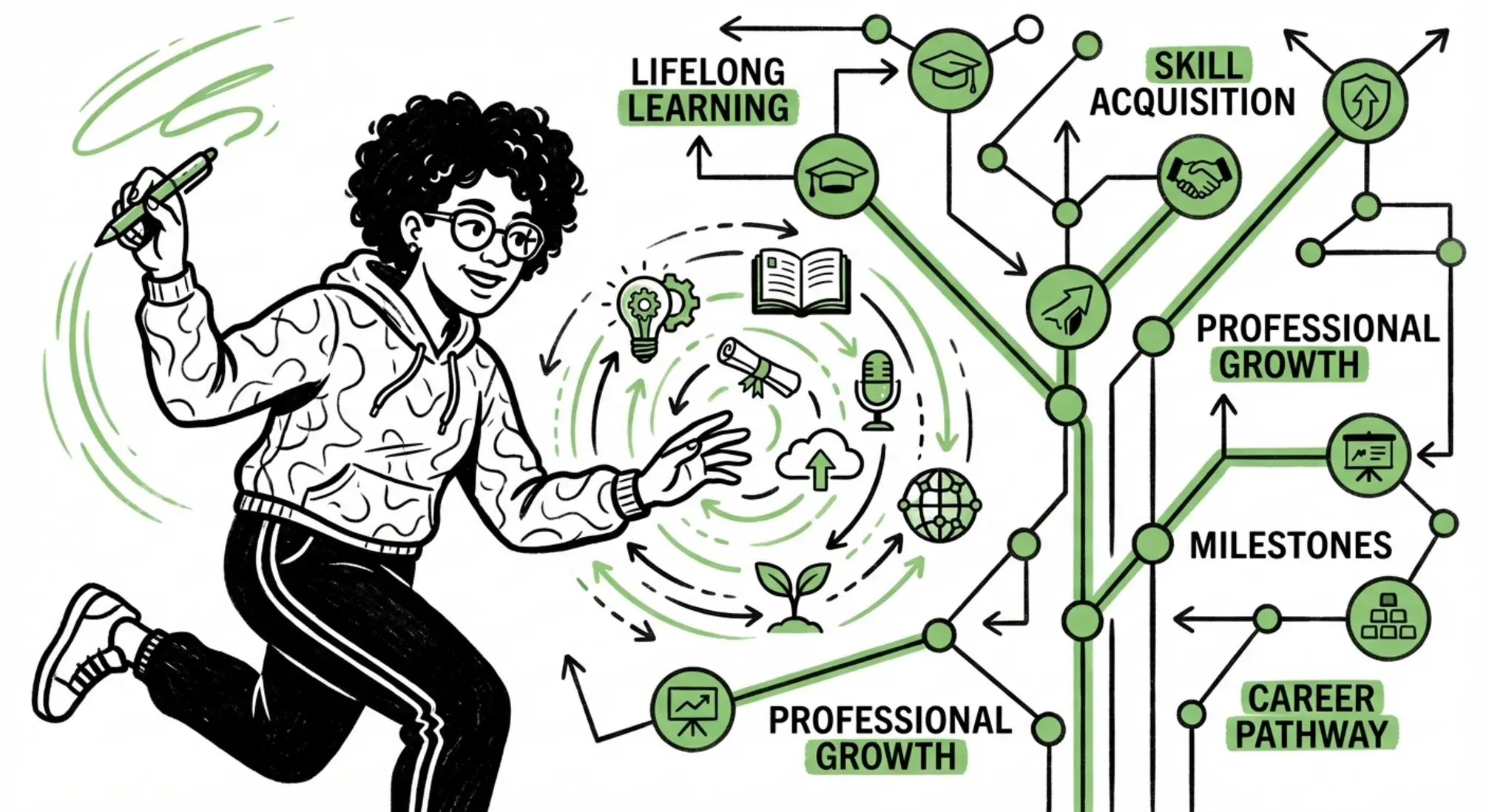
Understanding your ADHD strengths isn't just an intellectual exercise; it’s a pathway to profound self-acceptance and strategic personal growth. It involves:
This transformation requires moving beyond the surface-level understanding of ADHD symptoms. It demands a deeper dive into your specific manifestation of these traits and how they can be applied. This understanding isn't just about managing challenges, but about strategically empowering success. We invite you to explore resources that offer more strategies for thriving with ADHD.
A1: No, absolutely not. A strengths-based approach acknowledges the very real challenges of ADHD but intentionally shifts the narrative to include the powerful advantages. It’s about balance and providing a more complete, empowering picture, rather than dwelling solely on deficits. Ignoring challenges isn't helpful; strategically leveraging strengths to mitigate those challenges is.
A2: Begin by reflecting on times you’ve been highly engaged, productive, or successful. What were the underlying traits at play? Consider curiosity, tenacity, problem-solving, resilience, energy, or observational skills. Often, traits you might dismiss, like quick changes in interest, can signify adaptability or a broad range of knowledge. Look for comprehensive assessments that go beyond clinical diagnosis to identify a wider range of cognitive strengths.
A3: Yes, indirectly and directly. By focusing on strengths, you build self-esteem and self-efficacy, which can positively impact motivation for managing challenges. For example, if you know you hyperfocus well, you can strategically direct that focus to work on executive function-demanding tasks during those periods. Many find that an appreciation for their unique brain wiring leads to more effective, personalized coping strategies.
A4: Start by reframing the conversation. Instead of explaining what you struggle with, articulate how your ADHD brain approaches tasks differently and the benefits that brings. For example, explain how hyperfocus allows you to produce high-quality work in specific bursts, or how your divergent thinking leads to innovative solutions. Providing concrete examples and suggesting accommodations that play to your strengths (e.g., dedicated deep-work time) can be very effective. Resources on workplace accommodations for neurodivergent individuals can also be incredibly helpful.
A5: Many online communities and specialized coaches focus on the unique experiences of women with ADHD. Look for forums, podcasts, and articles that specifically address masking, emotional regulation, and the intersection of ADHD with other life stages like menopause. Websites like ADDitude and CHADD often have articles and webinars dedicated to this topic. Remember, validating your experience is the first step toward self-acceptance and cultivating individual talents.
The journey of understanding ADHD is deeply personal and often complex. But within that complexity lies incredible potential. By actively seeking to identify, appreciate, and leverage your inherent strengths—your hyperfocus, your creativity, your resilience—you begin to sculpt a life that doesn't just accommodate ADHD, but thrives because of it.
This shift isn't instantaneous, but it's transformative. It allows you to move beyond the limiting narratives of the past and step into a future where your unique brain is seen not as a burden, but as a source of extraordinary power. We’re here to help you make that shift.