Self-Compassion for ADHD: A Science-Backed Path to Emotional Well-Being
Discover how self-compassion helps adults with ADHD reduce shame, emotional dysregulation, and self-blame. Evidence-based tools for calmer, kinder emotional well-being.
For many adults with ADHD, the journey often feels like a relentless battle against an invisible opponent. You're constantly evaluating strategies, searching for that one perfect solution that will finally quiet the inner storm. You’ve likely explored countless organizational tips, productivity hacks, and even therapeutic approaches. But what if the missing piece isn't another management technique, but a profound shift in how you treat yourself? What if the key to true emotional well-being for ADHD lies in cultivating self-compassion?
This isn't about letting yourself off the hook; it’s about a more effective, evidence-based path to emotional healing. Unlike many resources that focus purely on mitigating symptoms, we're diving deeper into the emotional landscape of ADHD to address the pervasive self-blame, shame, and the relentless inner critic that often accompany the condition. This approach isn't just "nice to have"—it's a critical component for lasting peace and resilience, a unique avenue for healing that often gets overlooked in the broader conversation about ADHD management.
You know the feeling: a forgotten appointment spirals into a day-long rumination about your competence; a missed deadline triggers an intense wave of shame; an impulsive comment leaves you replaying the scenario for hours, convinced you’ve alienated someone important. These aren't just minor setbacks; for individuals with ADHD, they frequently trigger intense emotional distress. This phenomenon isn't coincidental—it's a hallmark of ADHD that impacts a significant portion of the community.
Scientific research confirms that emotional dysregulation (ED) is a core feature of ADHD, affecting an estimated 30-70% of adults with the condition (PLOS ONE, 2023; APA, 2024). It's not merely a comorbidity to be addressed separately; it's intricately woven into the ADHD experience. This difficulty in regulating emotions manifests as heightened emotional reactivity, difficulty calming down once upset, and a tendency to become overwhelmed by feelings.
This pervasive emotional dysregulation isn't just uncomfortable; it's deeply impactful. It's associated with higher ADHD symptom severity, increased psychological distress, more depressive symptoms, and poorer overall psychosocial outcomes (PLOS ONE, 2023; Research Square, 2023). When challenges arise—and with ADHD, they inevitably will—the brain's executive function struggles often get internalized as personal failings. This leads to rampant self-blame, manifesting as persistent self-doubt, chronic over-apologizing, and damaging negative self-talk, particularly for those diagnosed later in life (Simply Psychology, Understood.org, PMC).
It’s an exhausting cycle: executive function challenges lead to perceived failures, which trigger intense emotional reactions and fuel the inner critic, leading to shame and further emotional dysregulation. Breaking this cycle requires more than just better organizers; it requires a fundamental shift in how you relate to yourself.
Here's where self-compassion steps in as a powerful, evidence-based intervention. Recent 2024 studies have highlighted that self-compassion isn't just a feel-good concept; it actively improves emotional regulation, reduces ADHD-related impairments, and mediates psychosocial outcomes (ADDitude Magazine, 2024; PACJA, 2024). It's a protective factor and an effective intervention that directly addresses the emotional core of living with ADHD.
While many ADHD resources offer valuable practical advice, few delve as deeply into the profound emotional healing that self-compassion facilitates. Competitors like CHADD and ADDitude Magazine provide extensive resources, but often approach emotional well-being as a side effect of better management, rather than a primary area of focus. We position self-compassion not as a superficial add-on, but as the foundational element for emotional resilience, allowing for a deeper healing that goes beyond mere coping.
One of the most insidious aspects of ADHD is the relentless inner critic. This voice relentlessly points out your flaws, magnifies your mistakes, and often attributes them to character defects rather than neurobiological differences. Missing a deadline becomes "You're lazy," not "Your executive functions stumbled today." Forgetting an appointment transforms into "You're incompetent," instead of "Your working memory had a glitch."
The first step to disarming this critic is to actively cultivate self-compassion. This involves three core components:
This isn't about ignoring your challenges; it's about approaching them with a different, more effective mindset.
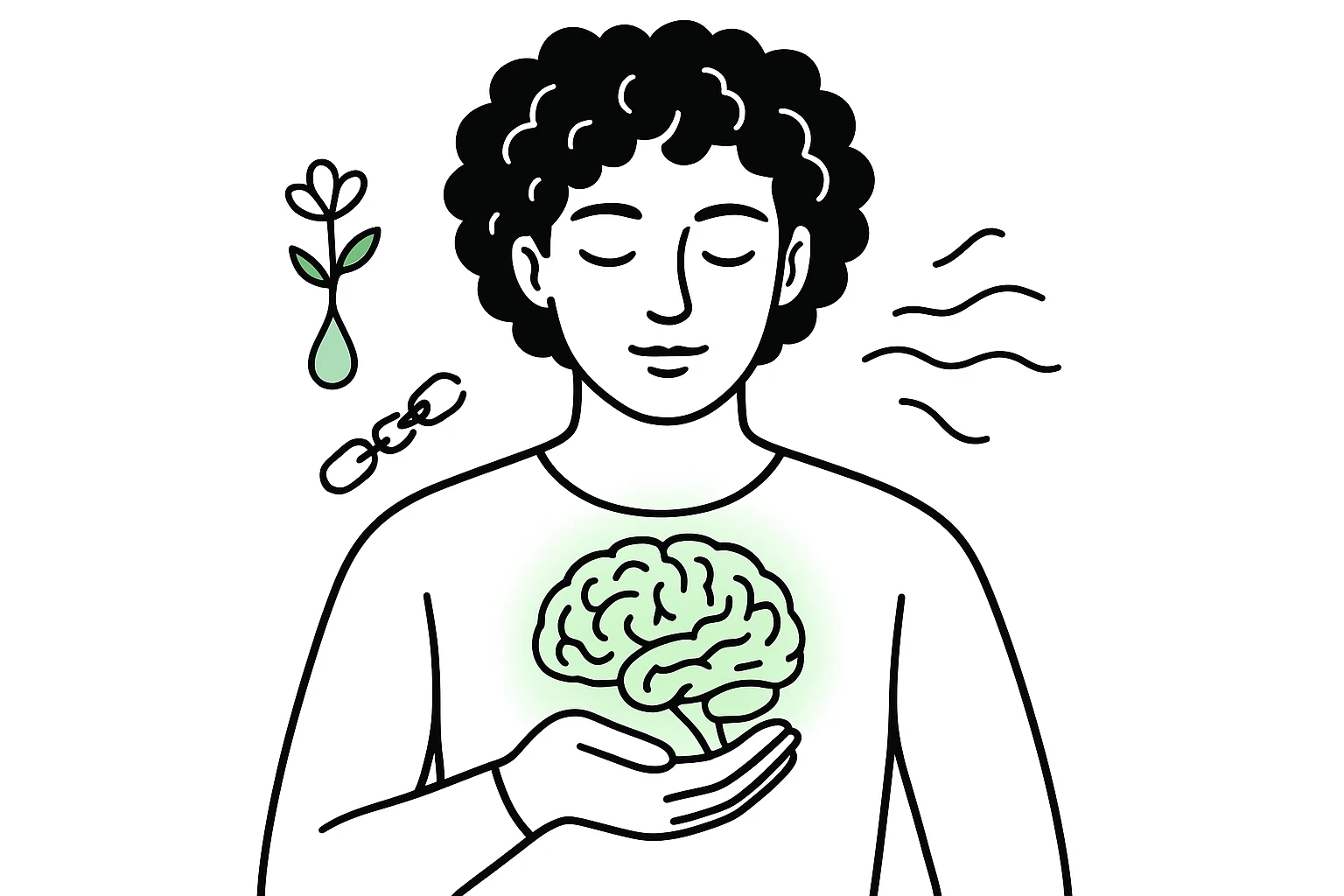
Actionable Practice: When you notice the inner critic speaking up, pause. Place your hand over your heart or stomach as a grounding gesture. Acknowledge the difficult thoughts and feelings. Then, gently ask yourself: "What would I say to a friend experiencing this same thing?" Voice that compassionate response to yourself. This simple act can begin to rewire your self-dialogue. You might also find powerful guidance in our complete guide to Overcoming the Inner Critic: Self-Compassion Practices for ADHD.
The constant executive function difficulties inherent in ADHD—such as difficulties with planning, organization, impulse control, and working memory—can lead to a cascade of perceived "failures." Missed appointments, unfinished tasks, financial missteps, or relationship misunderstandings become heavy burdens, often leading to profound shame and guilt.
This isn’t just about regret; it’s a deep-seated belief that something is fundamentally wrong with you. Shame tells you, "I am bad," while guilt says, "I did something bad." For individuals with ADHD, this distinction is crucial. When your brain is wired differently, many of your actions are not volitional failings but rather symptoms of a neurobiological condition. Recognizing this is the first step towards self-forgiveness.
Self-forgiveness is about releasing the burden of past mistakes and perceived shortcomings, understanding that they were often a product of your ADHD, not a lack of effort or moral failing. It allows you to move forward without carrying the crushing weight of past experiences.
These practices, especially when combined with a deeper understanding of Releasing Shame and Guilt, can significantly lighten the emotional load you carry.
The idea of mindfulness for an ADHD brain might seem counterintuitive. "How can I be mindful when my mind is constantly galloping in a thousand directions?" is a common and valid concern. However, mindfulness for ADHD isn’t about stopping your thoughts; it’s about observing them without judgment and gently redirecting your attention. It's about training your attention like a muscle, not about achieving a perfectly still mind.
Non-judgmental awareness is the cornerstone here. When your mind wanders during a meditation or a simple task, the default ADHD response is often self-criticism: "I'm bad at this," "I can't focus." Mindfulness teaches you to simply notice the distraction, acknowledge it, and then gently return your attention. This non-judgmental approach is precisely what makes it so powerful for reducing the emotional dysregulation that plagues ADHD.
The key is brevity and consistency. Long, drawn-out sessions can be overwhelming for ADHD.
These practices, integrated into your day, strengthen your ability to stay present and observe your thoughts without getting caught in the cycle of self-blame. For more adapted strategies, our insights on Mindfulness for ADHD: Cultivating Present Moment Awareness Without Judgment offers a tailored guide.
The constant barrage of negative self-talk is another relentless companion for many with ADHD. "I'm so stupid," "I'll never get this right," "Why can't I just be normal?" These internal dialogues erode self-esteem and fuel the emotional dysregulation loop. When you speak to yourself poorly, you reinforce the very patterns of self-blame and shame you're trying to overcome.
Cognitive Behavioral Therapy (CBT), a recognized and effective approach for managing ADHD, emphasizes identifying and restructuring negative thought patterns (getselfhelp.co.uk, ADDitude Magazine). We're extending this framework through a self-compassionate lens. This isn't about toxic positivity; it’s about rephrasing harmful internal narratives with kindness, understanding, and a realistic acknowledgment of your ADHD.
Instead of beating yourself up, try these positive reframes:
Regularly practicing these compassionate self-talk scripts can significantly reduce feelings of shame and emotional overwhelm, helping you manage your ADHD emotions more effectively. For a comprehensive toolkit specifically designed to transform your internal narrative, explore The Power of Positive Self-Talk in Managing ADHD Emotions.
The path to managing ADHD is multi-faceted, and while practical strategies are important, true, lasting emotional well-being begins with how you treat yourself. By consciously cultivating self-compassion through self-kindness, recognizing your common humanity, and practicing non-judgmental mindfulness, you can significantly reduce the impact of emotional dysregulation, disarm your inner critic, release shame and guilt, and transform negative self-talk.
This isn't a quick fix; it's a consistent, gentle practice that builds emotional resilience over time. Imagine a future where, instead of spiraling into self-blame after a mistake, you can offer yourself understanding, learn from the experience, and move forward with greater ease. This is the profound difference self-compassion can make.
If you’re seeking a deeper level of emotional healing and are ready to approach your ADHD journey with more kindness and effectiveness, you’ve found a trusted resource.
A: Absolutely not. Self-compassion is about treating yourself with kindness and understanding, especially when you're struggling, which actually motivates you to address challenges more effectively. Research shows it promotes resilience and emotional regulation, leading to improved outcomes, not an excuse for inaction. It’s about creating a supportive internal environment for growth, not letting yourself off the hook.
A: Self-esteem often relies on external achievements or feeling superior to others. It can be fragile and fluctuate based on performance. Self-compassion, on the other hand, is a more stable way of relating to yourself that offers kindness and understanding regardless of success or failure. It nurtures inner strength and resilience, which is particularly beneficial for individuals with ADHD who often face inconsistent performance.
A: You're not alone! Many with ADHD find traditional mindfulness challenging. The key is short, accessible practices. Start with 30-second mindful moments throughout your day, like noticing the sensation of drinking water or walking. Focus on non-judgmental awareness—simply observe without criticizing your wandering mind. Consistency beats duration. Our Mindfulness for ADHD guide offers tailored, bite-sized techniques.
A: The difference lies in authenticity and compassion. Instead of generic affirmations, focus on reframing your specific negative thoughts with genuine understanding and acknowledging your ADHD. For instance, instead of "I am perfect," try "My ADHD brain has its quirks, and I'm learning to navigate them with patience." It's about self-kindness and realistic acceptance, not forced positivity. Our guide on The Power of Positive Self-Talk in Managing ADHD Emotions provides concrete examples.
A: Yes, definitively. Studies, including recent ones from 2024, show self-compassion significantly improves emotional regulation in individuals with ADHD (ADDitude Magazine, 2024; PACJA, 2024). By reducing self-blame and fostering kindness, you de-escalate the intensity of emotions like shame and frustration, creating space to respond more calmly and constructively. It's a powerful tool against the emotional dysregulation that is so prevalent in ADHD.