Lifestyle Pillars for ADHD Emotional Stability
Discover how nutrition, sleep, exercise, and hydration directly influence ADHD emotional stability. Learn actionable, ADHD-friendly strategies to improve mood, focus, and resilience.
The journey with ADHD often feels like navigating a landscape dotted with emotional landmines. One moment, you're sailing smoothly; the next, an unexpected mood swing or burst of frustration leaves you wondering what just happened. If you’re like many individuals I encounter, you’re constantly evaluating strategies to bring some stability to this internal emotional terrain. You’ve likely explored medication, therapy, and perhaps even some of the more niche interventions online. But what if I told you that some of the most powerful levers for emotional regulation aren't found in a prescription bottle or a therapist's office, but in the everyday choices you make about your body and environment?
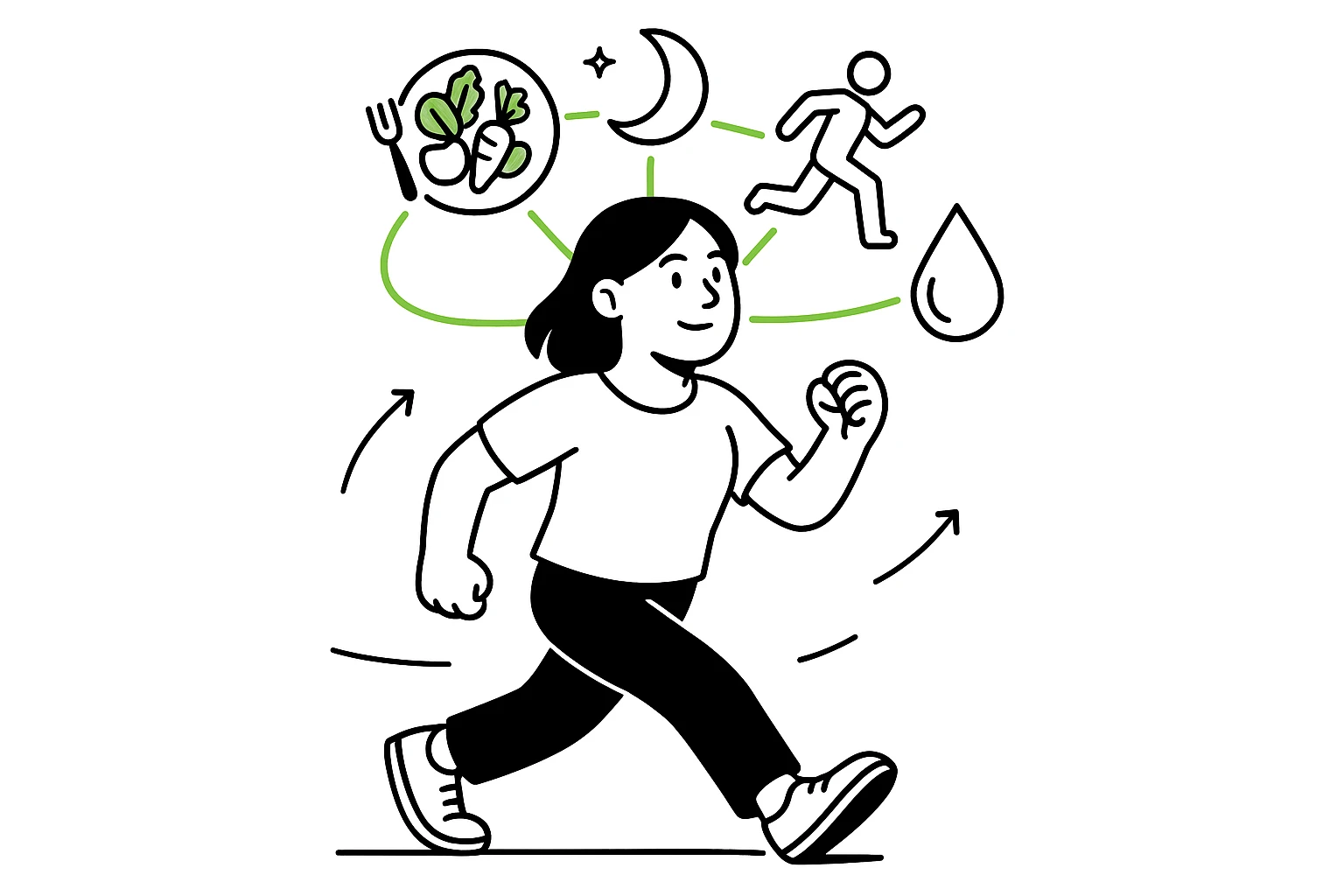
Many individuals with ADHD find themselves evaluating a complex array of solutions, from psychopharmacology to behavioral therapies. Navigating this can be overwhelming. This guide is crafted to offer you a framework, a way to compare and integrate lifestyle factors into your holistic emotional stability strategy. We’ll delve into how nutrition, sleep, exercise, and even hydration, often underestimated, can be profound tools in managing the "beautifully chaotic" emotional landscape of ADHD.
It’s easy to get caught up in the latest ADHD management trends, from neurofeedback to specialized apps. Yet, time and again, the fundamentals of physical well-being prove to be foundational for emotional stability. For someone with ADHD, emotional dysregulation—those intense mood swings, irritability, or feelings of overwhelm—isn't just an inconvenience; it's a significant challenge that impacts relationships, work, and personal harmony (Psych Central). While often rooted in brain chemistry and executive function differences, external factors play a monumental role in either exacerbating or alleviating these internal storms.
Here, we'll explore how simple, actionable lifestyle changes can offer a powerful, sustainable path toward greater emotional resilience. Think of this as your personalized evaluation guide, helping you weigh the impact of each pillar to construct a more stable internal environment.
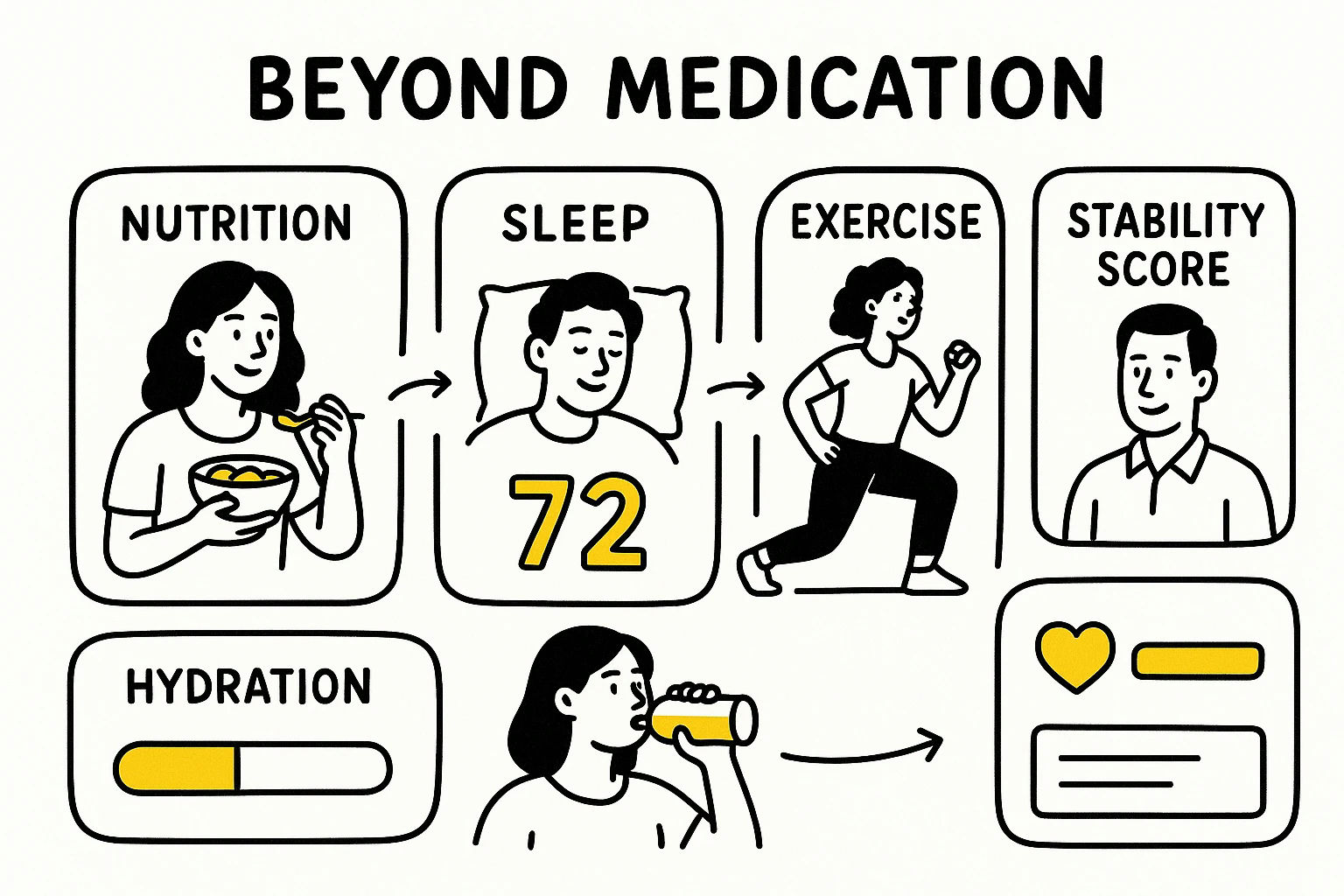
Perhaps no other lifestyle factor has such a direct and immediate impact on mood as nutrition. For individuals with ADHD, the link between what we eat and how we feel emotionally is particularly pronounced. Research consistently points to a balanced diet being crucial for emotional regulation, with specific nutrients playing key roles in neurotransmitter function (PMC.ncbi.nlm.nih.gov). Conversely, processed foods and high sugar intake can amplify mood swings and reactivity, creating a rollercoaster that's exhausting to ride (APA.org).
I remember days where a morning pastry would send my mood on a rapid ascent, only for gravity to reclaim it with a vengeance a few hours later. The crashes were brutal: irritability, fatigue, and an inability to focus that felt paralyzing. It was only when I started meticulously tracking my food and mood that the pattern became undeniable. My "rabbit hole" explorations into ADHD and nutrition revealed a powerful connection I’d been overlooking. Now, it's about minimizing the peaks and valleys, aiming for a consistent, gentle hum rather than an erratic spike and dive.
The gut-brain axis is a two-way communication highway. What happens in your gut directly influences your brain and, consequently, your emotions. A healthy gut microbiome, supported by a diverse diet, is essential for producing neurotransmitters like serotonin and dopamine, both critical for mood regulation (Gastroenterologyadvisor.com). Imbalances in gut bacteria, often linked to typical Western diets high in sugar and unhealthy fats, can contribute to neuroinflammation and emotional instability, potentially exacerbating ADHD symptoms (Journals.plos.org).
Embrace these:
Limit these:

Actionable Steps for Your ADHD Brain:
If you have ADHD, you know the struggle: racing thoughts at night, difficulty unwinding, and often feeling like your brain hitches a ride on an express train just as the rest of the world is going to sleep (ADDitudeMag.com). This pervasive sleep disturbance isn't just annoying; it directly contributes to emotional lability and impaired executive functions (Nature.com, FrontiersIn.org). Think about it: a sleep-deprived brain is already on edge, less adept at processing emotions, and more prone to impulsivity (Cambridge.org).
I still battle the "mental internet" at night; articles I meant to read, conversations I need to have, obscure facts, all flashing like neon signs. This hyperactive mind, while fascinating during the day, becomes a formidable enemy at bedtime. When sleep is consistently poor, my emotional resilience plummets. Minor frustrations become major crises, and patience becomes a scarce commodity. Understanding the link between poor sleep and increased emotional reactivity was a game-changer for me.
Individuals with ADHD often experience a delayed sleep phase, meaning their natural circadian rhythm is shifted later than the typical schedule (News.ki.se). This is partly due to differences in melatonin secretion and dopamine regulation—dopamine plays a key role in wakefulness, and its dysregulation in ADHD can make winding down a challenge (JCSM.AASM.org). This chronic sleep deprivation significantly impacts the prefrontal cortex, the brain region responsible for executive functions like emotional control and impulse regulation (PMC.ncbi.nlm.nih.gov).
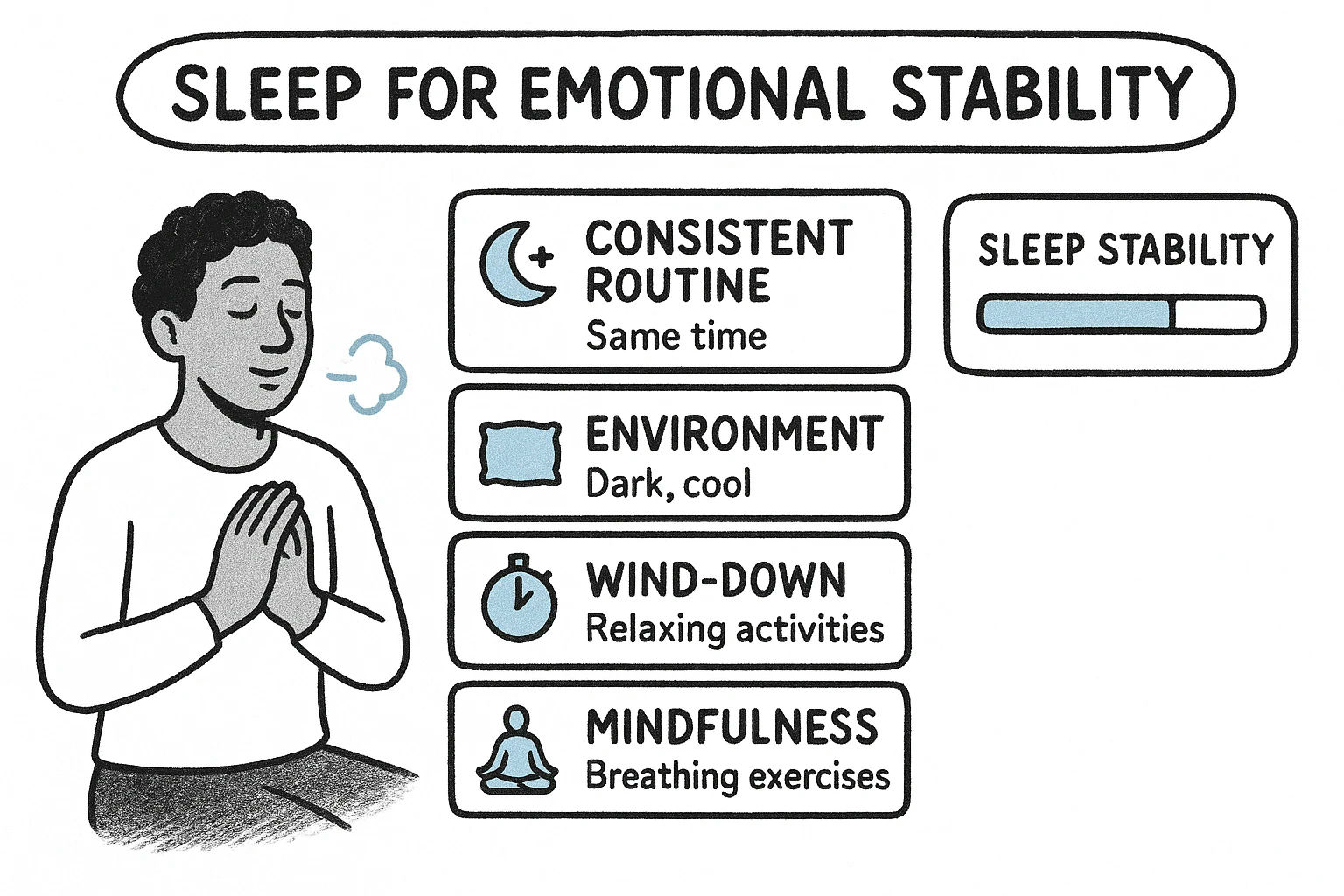
Actionable Steps for Quieting the Mind:
It's a paradox familiar to many with ADHD: a mind that feels endlessly restless, yet a body that sometimes struggles with activation. However, incorporating physical activity isn't just about physical health; it's a potent modulator for emotional stability. Exercise directly impacts neurotransmitter levels, including dopamine, serotonin, and norepinephrine, all of which are deficient or dysregulated in ADHD (Nature.com, PMC.ncbi.nlm.nih.gov). Moving your body is, quite literally, moving your mood.
When you exercise, your brain releases a cocktail of neurochemicals. Dopamine, often referred to as the "feel-good" neurotransmitter, is crucial for motivation and reward, and its boost mimics the effects of some ADHD medications (HSMH.co.uk). Endorphins provide a natural pain relief and euphoria, while serotonin can improve mood and reduce anxiety (FrontiersIn.org). Regular exercise means consistently topping up these essential brain chemicals, leading to greater emotional resilience.
Not all movement is created equal when it comes to emotional regulation. The "best" exercise is, ultimately, the one you'll actually do and enjoy.
The key to consistent exercise for an ADHD brain is making it accessible, enjoyable, and novelty-rich.

Actionable Steps for Getting Your Body Moving:
While diet, sleep, and exercise often take center stage, other physiological factors wield surprising power over our emotional landscape. Proper hydration and stable blood sugar levels are foundational, yet frequently overlooked, elements that can dramatically influence emotional regulation in individuals with ADHD (PMC.ncbi.nlm.nih.gov). These aren't just about physical health; they are about maintaining a resilient, calm brain.
Many don't realize that even mild dehydration can significantly impair cognitive function, increase perceived effort, and negatively impact mood (Journals.plos.org). For an ADHD brain constantly expending energy, staying adequately hydrated is paramount. Dehydration can manifest as irritability, brain fog, fatigue, and even anxiety, all of which are already common challenges with ADHD (RelationalPsych.group).
Unstable blood sugar levels are a common culprit behind mood swings, impulsivity, and difficulties with sustained attention. When you consume high-sugar foods or refined carbohydrates, your blood sugar spikes rapidly, followed by an equally rapid crash. These crashes can leave you feeling irritable, anxious, and struggling to focus, mimicking or exacerbating ADHD symptoms (APA.org). Maintaining steady blood sugar throughout the day provides a consistent fuel supply to your brain, promoting emotional calm and cognitive clarity.
You've just evaluated the profound impact of nutrition, sleep, exercise, and hydration on your emotional stability with ADHD. The challenge, and indeed the opportunity, lies in weaving these individual threads into a cohesive, sustainable tapestry. This isn't about perfection; it's about progress, self-compassion, and building a foundation that supports your unique brain.
There's no one-size-fits-all solution for ADHD management (CHADD.org). What works for one person might not work for another. The real power comes from experimenting, observing, and adapting strategies to fit your life. Think of this as your personal research project:
These aren't strict scientific rules, but useful ADHD coping mechanisms to navigate overwhelm and executive dysfunction:
Living with ADHD can be inherently exhausting. The constant effort to manage life's demands often leads to burnout, which severely impacts emotional resilience (NAMI StigmaFree).
By systematically evaluating and integrating these lifestyle factors, you're not just coping; you're actively building a more robust and emotionally stable life with ADHD. MyADHD.co aims to be your trusted resource, guiding you through this process with relatable insights and actionable strategies that truly fit your unique brain.
A1: While diet can significantly impact ADHD symptoms and emotional stability, it's not a standalone cure. It's a powerful adjunct strategy that works best in conjunction with other treatments like therapy, coaching, and sometimes medication. A balanced diet helps create an optimal physiological environment for your brain to function. Think of it as laying a strong foundation.
A2: The timeline varies for everyone. Some individuals report feeling subtle improvements in mood and energy within days of making dietary or sleep changes. For more pronounced and lasting emotional stability, sustained effort over weeks to months is typically required. Consistency is key, and small, incremental changes are often more effective than drastic overhauls (PositiveResetEatontown.com).
A3: This is a very common and valid concern. The trick is to start incredibly small and focus on one change at a time. Don't try to revamp everything at once. Pick one "micro-win" from each category—e.g., drink one extra glass of water, go to bed 15 minutes earlier, or take a 10-minute walk. Once that feels manageable for a week or two, add another small change. Utilizing tools like habit trackers, visual reminders, and body doubling can also be incredibly helpful (HelpGuide.org). Focus on progress, not perfection.
A4: While certain supplements like Omega-3 fatty acids, magnesium, and Vitamin D have research supporting their role in brain health and mood regulation (PMC.ncbi.nlm.nih.gov), it's crucial to consult with a healthcare professional or a registered dietitian before starting any new supplement regimen. They can assess your individual needs and ensure there are no contraindications with any existing conditions or medications.
A5: Lifestyle changes are generally complementary to ADHD medication and can even enhance their effectiveness. By providing your brain with optimal fuel, rest, and activity, you create a more stable baseline, potentially reducing the dosage needed or mitigating some side effects. Always discuss any changes to your lifestyle or medication with your prescribing doctor (PsychCentral.com).
You've explored the evidence, understood the "why," and considered actionable steps for integrating lifestyle into your ADHD management. The goal here isn't to add more pressure, but to empower you with knowledge and practical tools. Your journey with ADHD is unique, and so too will be your path to emotional stability.
Ready to dive deeper into specific, ADHD-friendly strategies for personal growth and everyday management? Explore our other resources, such as "ADHD Coping Skills for Work" or "Managing ADHD and Anxiety," designed to help you navigate your world with greater ease and confidence. Remember, every small step you take to nurture your body and mind contributes to a larger, more resilient you.