ADHD Intersectionality Guide for Culturally Competent Care
Learn how to navigate ADHD across race, gender, sexuality, and class to find culturally competent care. Discover diagnostic gaps, advocacy steps, and resources.
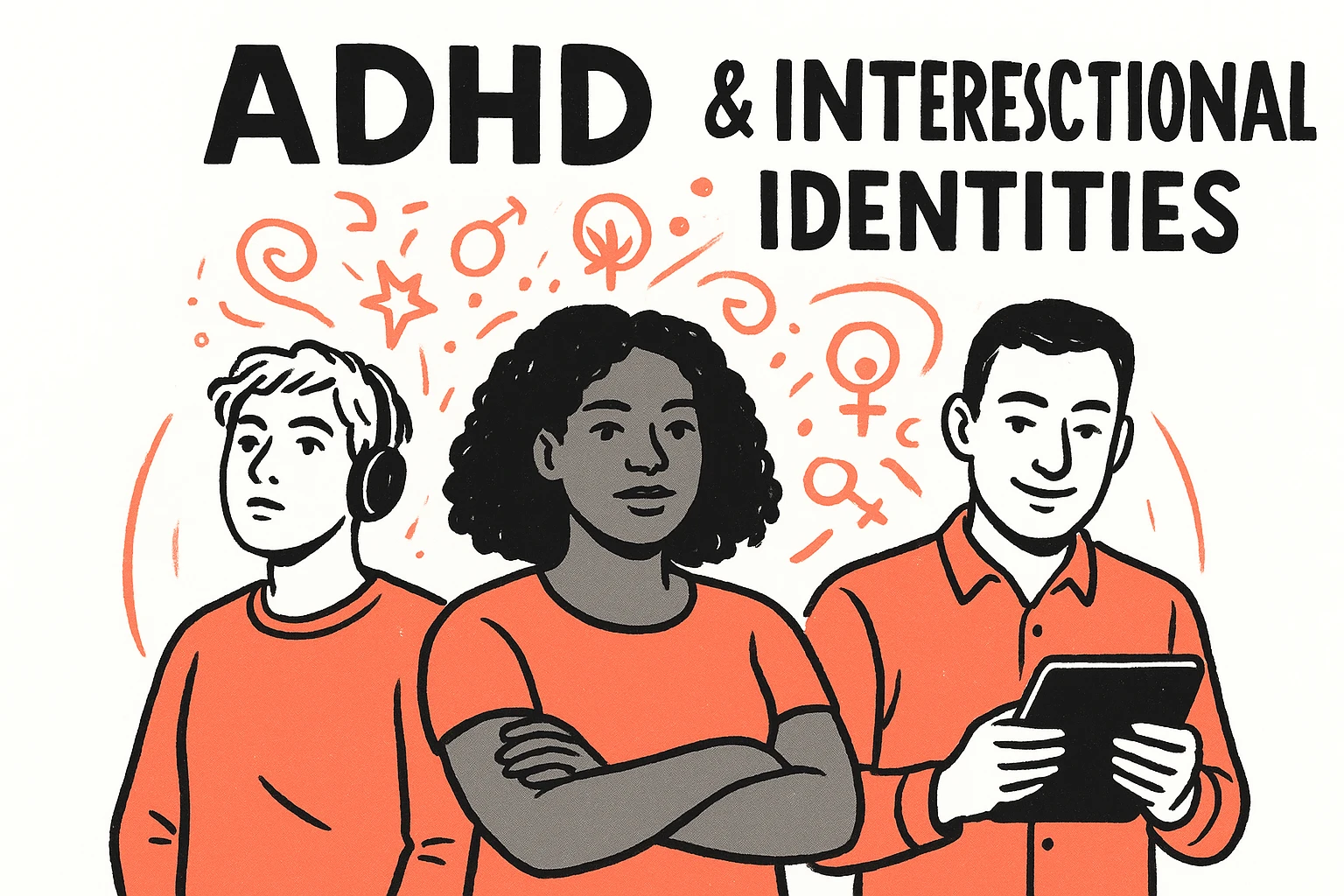
When you're trying to understand ADHD, the standard narratives often fall short. You might be sifting through countless articles, trying to reconcile your own lived experience with what's presented as the 'typical' ADHD profile. For many, especially those with diverse backgrounds, this process can be frustrating, leaving you wondering if existing solutions truly understand the complexities you face. It’s not just about ADHD; it's about your ADHD, shaped by every facet of who you are.
This is where an intersectional lens becomes not just helpful, but essential. It’s about recognizing that ADHD doesn’t exist in a vacuum. Your race, gender, sexuality, socioeconomic status, and cultural background profoundly influence how ADHD manifests, how it's diagnosed, and how support is accessed. Understanding these intersections is key to finding interventions that truly resonate and empower.
Imagine searching for guidance on ADHD, only to find that the common symptoms or suggested strategies don’t quite fit your reality. This disconnect is a familiar experience for many individuals with intersecting identities. Traditional ADHD research and diagnostic criteria have historically been based on a narrow demographic, often overlooking the nuanced presentations in women, people of color, LGBTQ+ individuals, and those from lower socioeconomic backgrounds. This isn't just an academic discussion; it has real-world consequences, leading to delayed diagnoses, misdiagnoses, and a lack of appropriate support.
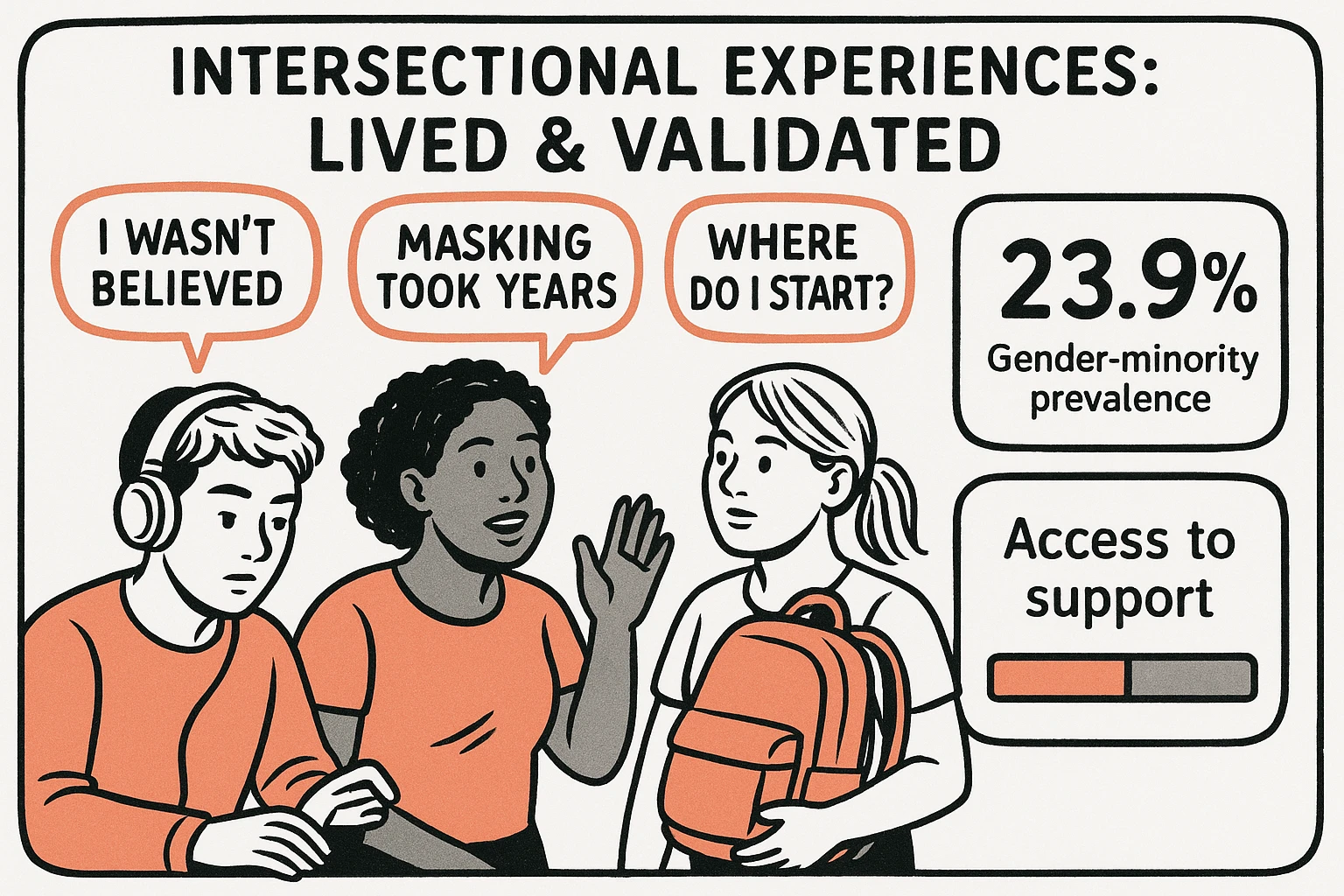
Our approach centers on validating these complex, multi-layered experiences. We delve into the specific challenges and unique strengths that emerge when ADHD intersects with various identities, helping you feel seen and understood in a way that generalized information often cannot.
The data is clear: disparities in ADHD diagnosis and treatment are stark across different demographics. For instance, females are less likely to be diagnosed with ADHD in childhood, often receiving a diagnosis later in life, and are less frequently prescribed medication compared to males [ScienceDirect]—a significant under-recognition of their needs. The male-to-female diagnosis ratio in clinical settings is about 4:1, yet in broader community samples, it's closer to 2:1, highlighting how many women simply aren't being identified in the healthcare system [ADDitude].
This isn't limited to gender. When we look at racial and ethnic groups, Black, Hispanic, and Asian children are less likely to be diagnosed and treated for ADHD even when presenting with similar symptom severity as White children [Everyday Health]. Instead, they are often misdiagnosed with disruptive behavioral disorders like Oppositional Defiant Disorder (ODD) or Conduct Disorder (CD), perpetuating harmful stereotypes and denying them appropriate care.
Socioeconomic status also plays a critical role. Individuals from lower socioeconomic backgrounds often face significant barriers to ADHD diagnosis and services, experiencing more severe psychological symptoms and reduced access to crucial healthcare resources.
These statistics aren't just numbers; they represent countless individuals struggling to navigate a system that often fails to see them.
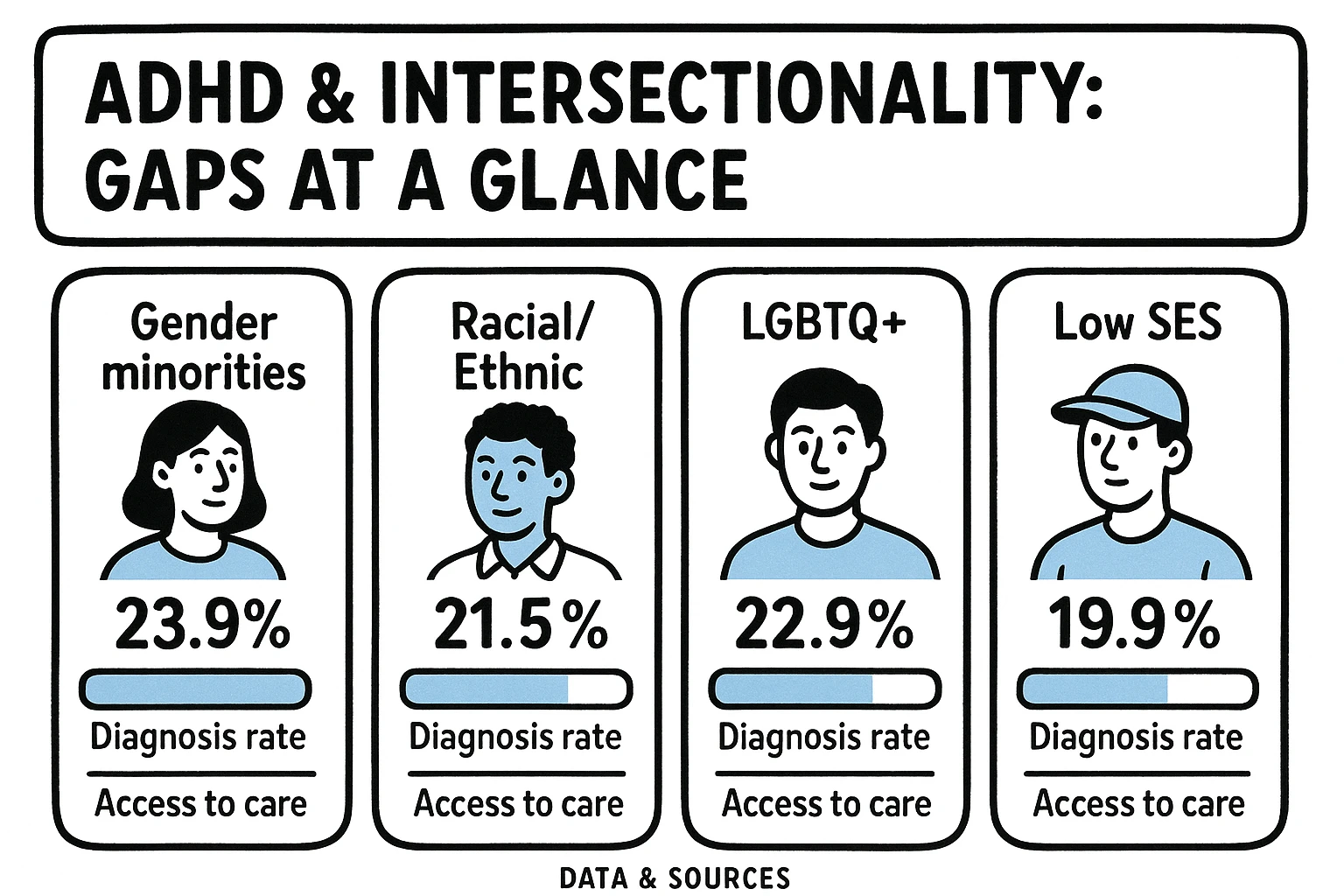
The challenges are compounded for those with multiple marginalized identities. Consider the experiences of:
statistics on ADHD prevalence across different gender identities and sexual orientations, citing sources]]. This calls for a nuanced understanding of how gender identity and sexual orientation intertwine with neurodiversity. You can explore more about these specific challenges in our [dedicated article on ADHD in women and gender minorities].cultural factors influencing ADHD symptom presentation and help-seeking behaviors, citing sources]]. These factors often delay diagnosis and restrict access to appropriate care, underlining the need for culturally competent approaches. Our upcoming [series on ADHD and cultural contexts]() will delve deeper into these nuances.compounded mental health challenges and ADHD in marginalized identities, citing sources]]. This is often due to the additional stress of societal discrimination, internalized stigma, and a lack of understanding from healthcare providers who may not be equipped to handle queer neurodivergent experiences. Understanding these unique challenges is critical for offering comprehensive mental health solutions.socioeconomic disparities in ADHD diagnosis and support]]. This highlights systemic inequalities that must be addressed to ensure equitable care.Beyond the diagnostic and treatment disparities, individuals at these intersections face significantly higher rates of anxiety, depression, loneliness, and even suicidality. This isn't just about managing ADHD; it's about navigating a world that often misunderstands or actively marginalizes parts of your identity, creating a constant pressure to mask, conform, and endure.
Such diagnostic overshadowing, where ADHD symptoms are misinterpreted as cultural traits or behavioral issues, is a common experience for racial minorities. Similarly, gender or sexual minority individuals might have their ADHD symptoms attributed to identity-related stress or "drama," missing the core neurodevelopmental condition. This leads to profound feelings of invalidation, isolation, and increased mental health struggles.

Recognizing these systemic issues is the first step towards empowerment. Our platform is dedicated to providing you with the knowledge and resources needed to advocate for yourself and navigate often complex systems. We believe in providing actionable strategies, framed within a culturally sensitive context, to help you secure the diagnosis and support you deserve.
One of the most critical aspects of this journey is finding culturally competent care. This means connecting with providers who understand not only ADHD but also your cultural background, gender identity, and sexual orientation. They recognize how these aspects shape your symptoms, your comfort with various treatments, and your overall well-being. Our focus is on helping you identify such providers and equip you with the language to articulate your unique needs.
Understanding ADHD through an intersectional lens can bring up many questions. Here are some common ones that arise during the evaluation process:
If you feel that your struggles are being dismissed as character flaws, cultural traits, or mental health issues distinct from ADHD, it's a strong indicator. For example, if you're a woman with ADHD, your inattentive symptoms might be labeled as "daydreaming" or "anxiety," while your restlessness might be misattributed to "hormones" or "stress" rather than ADHD. Similarly, racial bias can lead to ADHD symptoms being viewed through a lens of behavioral issues. Trust your intuition if something doesn't feel right about a diagnosis or lack thereof.
Diagnostic overshadowing occurs when a healthcare professional focuses on one aspect of a person's identity or condition, letting it "overshadow" or obscure other potential diagnoses. For instance, if you identify as LGBTQ+, a clinician might attribute your challenges to experiences of discrimination or identity-related stress, overlooking underlying ADHD symptoms. Or if you're a person of color, your difficulties might be attributed to socioeconomic factors or cultural norms. Understanding this helps you advocate by emphasizing all aspects of your experience during appointments.
This can be challenging but is crucial. Look for providers who explicitly state their commitment to diversity, equity, and inclusion on their websites or profiles. Don't hesitate to ask specific questions during an initial consultation: "Do you have experience working with [my specific identity group]?" or "How do you ensure your diagnostic process is sensitive to cultural differences?" Platforms specializing in diverse healthcare providers, or advocacy groups for specific identity intersections, can also be valuable resources.
Absolutely. Come prepared to appointments with notes on your symptoms, how they impact your life, and any historical context. Be explicit about your identities and how you feel they might be impacting your experience or diagnosis. Don't be afraid to bring a trusted friend or family member for support. If you feel unheard, politely ask for clarification or a second opinion. Remember, you are seeking someone who truly listens and understands.
Online communities are increasingly vital resources. Search for groups focused on "neurodivergent LGBTQ+," "women with ADHD of color," or similar combinations. Organizations like CHADD or ADDitude might also have forums or resources segmented by identity. Local university diversity centers or mental health initiatives can also point to community-specific resources. Connecting with others who share your unique blend of experiences can be incredibly validating and empowering.
As you navigate the intricate landscape of ADHD, especially with intersecting identities, the journey can feel like a complex, multi-layered puzzle. Our mission is to help you piece it together, offering insights that transcend surface-level explanations and provide deeper understanding. We want to ensure that your "beautifully chaotic, endlessly fascinating, mildly exhausting mental internet" is not just acknowledged, but truly understood and supported.
You don't have to settle for solutions that only address part of who you are. By recognizing how your unique identities shape your ADHD experience, you're better equipped to seek out appropriate diagnosis, and culturally sensitive support, and ultimately, to embrace your neurodiversity on your own terms. Explore our other in-depth articles on specific intersections, and join a community that celebrates the full spectrum of neurodivergent experiences.