ADHD Executive Function Guide to Emotional Control Strategies
Learn how ADHD executive function deficits cause emotional dysregulation and get a simple 3-step toolkit to pause, plan, and practice emotional regulation.
Imagine feeling a wave of intense emotion wash over you, seemingly out of nowhere, leaving you struggling to make sense of what just happened. One minute you're fine, the next you're overwhelmed, reacting impulsively, or stuck in a spiraling thought pattern. If you have ADHD, this isn't just an occasional bad mood; it's a deeply rooted challenge directly tied to how your brain manages its internal traffic. You're not alone, and it's not a moral failing – it's your ADHD.
This isn't about blaming your brain, but understanding it. The link between ADHD, Executive Function (EF) deficits, and emotional dysregulation is a critical piece of the puzzle many grapple with. It helps explain why moments like those feel so out of control and how you can begin to navigate them more effectively.
For a long time, emotional dysregulation (ED) was considered a secondary symptom of ADHD, but research increasingly shows it's a core feature. Up to 72% of adults with ADHD experience ED, which means intense, often unpredictable, emotional reactions that don't quite fit the situation at hand. But why? The answer lies in your executive functions.
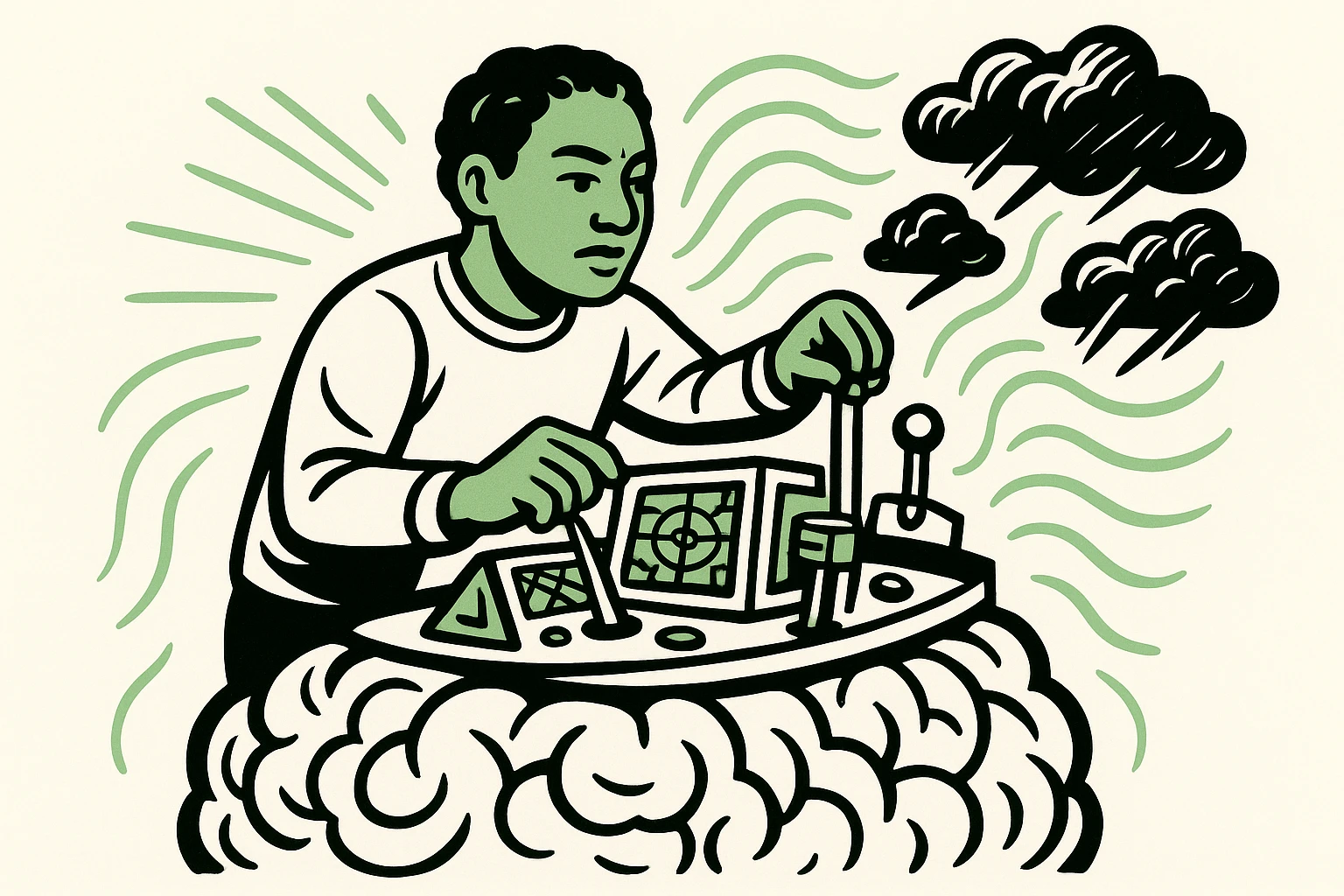
Executive functions are the brain's air traffic controllers—a set of cognitive processes that help you plan, focus, remember instructions, and juggle multiple tasks successfully. In ADHD, these controllers can be a bit… understaffed or prone to occasional strikes. When these EFs struggle, your emotional system, like a busy airport without clear guidance, can descend into chaos.
Here's how specific executive functions are tied to your emotional landscape:
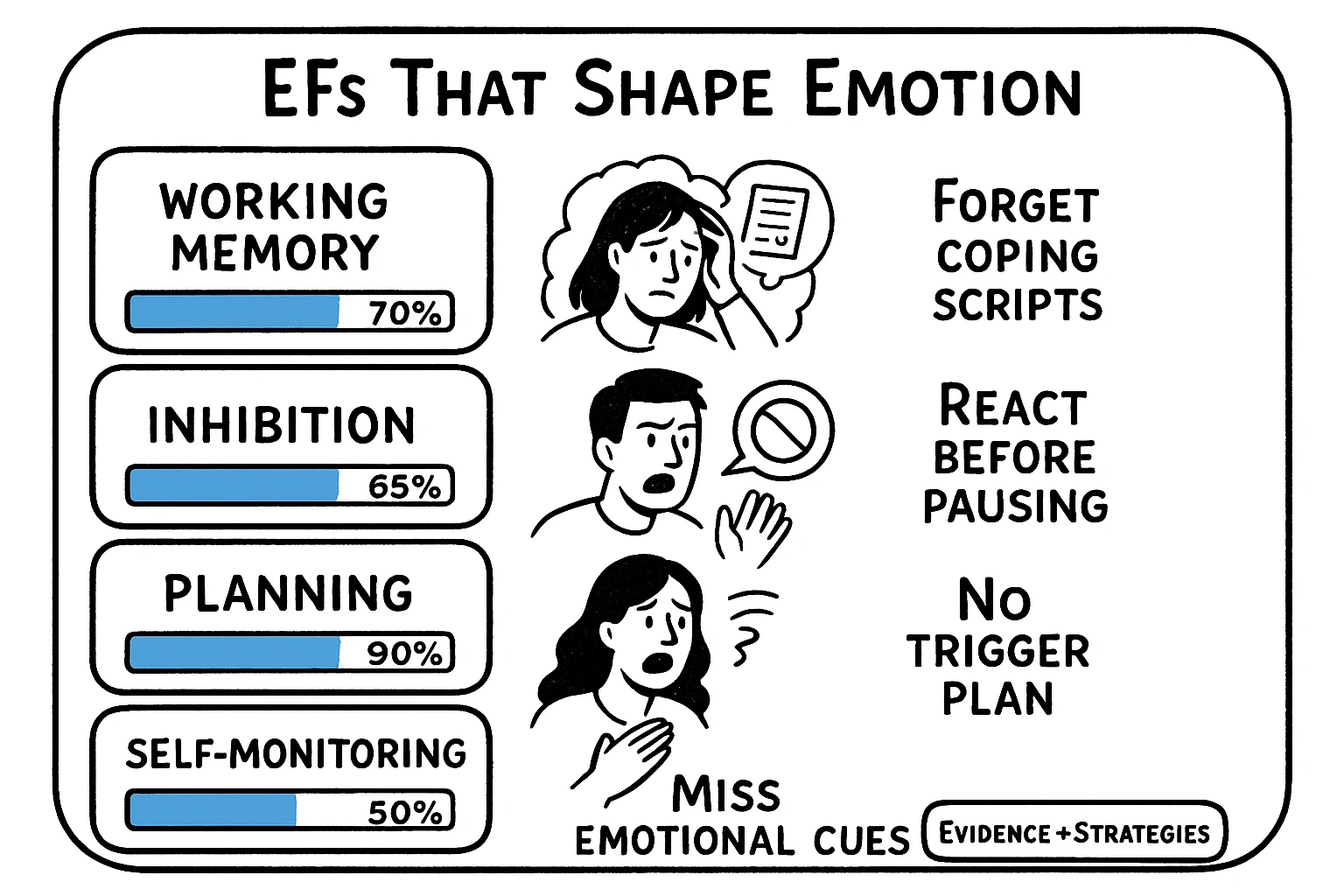
Imagine trying to remember a crucial piece of advice during an argument, but your mind is just blank. This is often working memory at play. Your working memory is like a mental scratchpad, holding information temporarily so you can use it. When it comes to emotions, a working memory deficit means you might struggle to:
This isn't selective amnesia; it's a core cognitive hiccup that makes learning from emotional experiences incredibly difficult in real-time.
Have you ever said something you immediately regretted, or reacted strongly to a minor irritation? That's often a breakdown in inhibitory control—your brain's ability to pause, weigh options, and suppress an automatic impulse. For someone with ADHD, this "pause" function is frequently delayed or absent, leading to:
This isn't a lack of willpower; it's a neurological hurdle in stopping an automatic emotional cascade once it's started.
Building emotional resilience means anticipating challenges and preparing for them. For those with ADHD, planning deficits make this hard. It’s not just about planning your day, but planning for your feelings. This can manifest as:
Self-monitoring is like an internal radar, constantly scanning your thoughts, feelings, and actions. It's how you realize you're getting agitated before you explode, or that you're about to say something unhelpful. Impaired self-monitoring in ADHD means you often miss these crucial internal cues, leading to:
This isn't ignorance; it's a challenge in attending to and interpreting your own internal emotional data.
The graphic below clearly illustrates how these executive functions are mapped to common emotional challenges in ADHD.
To truly get to grips with emotional dysregulation, it helps to understand a bit about what's going on upstairs. It's not just about "feeling too much"; it's about specific brain areas and their communication. Perplexity, referencing studies by Shaw et al. (2014) and Tokumaru et al. (2023), highlights key factors:

This complex interplay means your brain isn't just "choosing" to be emotional; it's wired in a way that makes emotional regulation inherently more challenging. Knowing this can be incredibly validating, shifting the narrative from personal failing to neurological difference.
Understanding the "why" is crucial, but so is acknowledging the "how" – how these EF deficits actually show up in your daily life. They don't just cause internal turmoil; they impact your relationships, work, and overall well-being.
The constant emotional ups and downs are exhausting. Many adults with ADHD are more likely to use non-adaptive strategies, like emotional suppression, which only bottles things up until they inevitably explode.
So, if executive functions are the root cause, then strengthening them is key to improving emotional regulation. This isn't about eliminating emotions; it's about gaining more control over how you experience and express them.
Here's an ADHD-friendly 3-step toolkit to help you pause, plan, and practice.
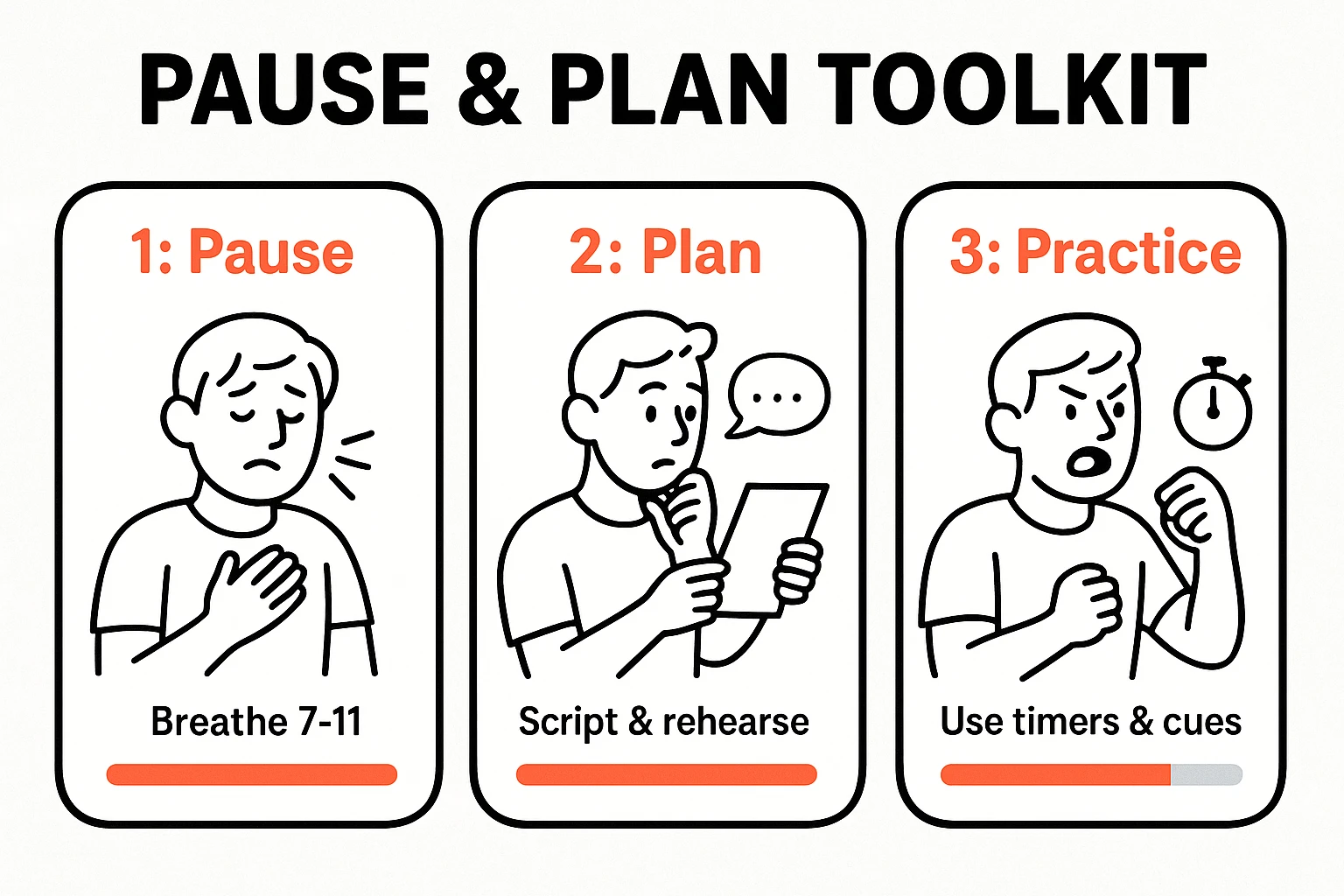
When emotions spike, the first step is to create a physical or mental break. Your goal isn't to stop feeling, but to stop reacting automatically.
You can't "remember" past lessons if you haven't explicitly created them. Build an "emotional playbook" for common triggers.
Building self-awareness when your internal radar is fuzzy requires conscious effort and external support.
These strategies aren't quick fixes, but consistent practice can re-route those neural pathways, giving you more agency over your emotional life.
While these strategies offer a powerful start, sometimes you need more. The good news is that there are highly effective professional interventions tailored for ADHD and emotional dysregulation.
Emotional dysregulation in ADHD is a challenge, but it's not a life sentence. It’s a part of your neurobiology, not a character flaw. The path to better emotional control is about understanding your unique brain, building specific skills, and practicing relentless self-compassion.
Every step you take to understand the executive function link and implement targeted strategies is an act of self-advocacy and empowerment. You're learning to work with your brain, not against it. The journey is ongoing, but with awareness, strategy, and support, you can gain greater peace and predictability in your emotional world.
Here's what you can expect as you invest in training your executive functions for better emotional outcomes:

No, it's increasingly understood as a core feature or a significant component of ADHD, not a separate diagnosis. While some people may have emotional regulation difficulties without ADHD, for those with ADHD, it's directly linked to the neurological differences in executive functions and emotional processing.
Yes, for many people, ADHD medications (stimulants or non-stimulants) can significantly improve emotional regulation. By addressing the underlying executive function deficits, they can often lead to a reduction in emotional intensity and impulsivity. It's an important conversation to have with your doctor.
This is a common experience, especially when you're in a "red zone." The key is to start small and practice when you're in a "green" or "yellow" state. If you consistently find yourself overwhelmed, it's a strong sign to seek professional help from a therapist specializing in ADHD and emotional regulation (like those who use CBT or DBT).
Absolutely. RSD is a specific, painful manifestation of emotional dysregulation common in ADHD. It's the intense, disproportionate emotional pain triggered by perceived or actual rejection, criticism, or failure. Understanding the EF link helps explain why these painful feelings are so hard to inhibit or move past.
Like any skill, training your executive functions and improving emotional regulation takes time and consistent practice. You might notice small shifts within weeks, but significant, lasting change often occurs over several months with dedicated effort and, if needed, professional support. Be patient and kind to yourself throughout the process.
The journey to greater emotional control with ADHD is deeply personal, but you don't have to navigate it alone. By understanding the intricate connections between your executive functions and your emotions, you gain powerful insights that can guide you towards more stable and fulfilling experiences.
Ready to dive deeper into practical, ADHD-friendly strategies for everyday living? Explore our resources on [ADHD-Friendly Productivity Systems] and [Navigating Relationships with ADHD] for more insights and tools.