ADHD Emotions in the Body A Practical Somatic Guide
Stop being overwhelmed by physical ADHD emotions. Learn somatic techniques to calm anxiety, release chronic tension, and build emotional resilience today.
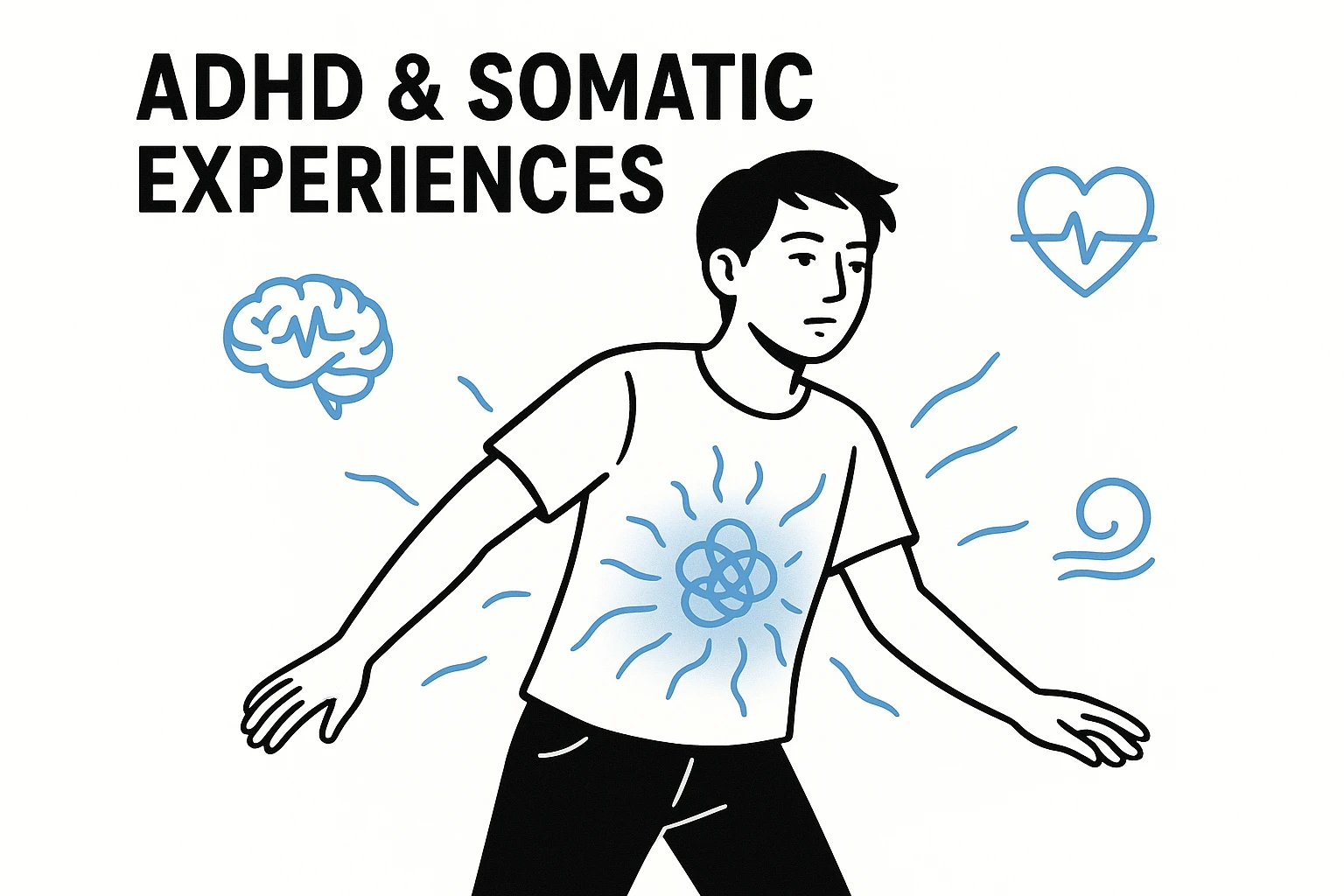
If you have ADHD, you've probably felt it: that buzzing in your chest when your to-do list feels endless, the knot in your stomach before a big meeting, or the sudden surge of energy that makes you want to climb the walls when you're overwhelmed. For many adults with ADHD, emotions aren't just thoughts or abstract feelings; they’re intensely physical experiences that can feel overwhelming and confusing.
Most of us learn about ADHD through its impact on focus, organization, or impulsivity. But what often goes unsaid is how profoundly ADHD affects our emotional landscape, and crucially, how those emotions land, live, and sometimes rage within our bodies. You’re not alone if you’ve felt like your emotions are running a marathon through your nervous system.
This isn't just "stress"; it's a fundamental part of the ADHD experience, rooted deeply in how our brains are wired. And understanding this connection is the first step toward finding peace.
ADHD isn't just about attention; it's also about regulation—and that includes emotional regulation. This is often referred to as Emotional Dysregulation (ED), and it means experiencing emotions intensely, having difficulty calming down once upset, or struggling to express feelings in a socially acceptable way.
When you live with ADHD, emotional dysregulation often manifests physically. Think about the common ADHD traits:
The key concept here is interoception. This is your brain's ability to sense and interpret internal bodily signals like your heartbeat, hunger pangs, or stomach churning. Studies suggest that individuals with ADHD often have diminished interoceptive accuracy and tend to underestimate their heart rate. This means you might feel a vague sense of unease or discomfort, but struggle to pinpoint that it's anxiety making your stomach clench or anger tightening your jaw. This impairment contributes significantly to challenges in self-regulation and emotional awareness because you're getting incomplete or distorted information about what your body is trying to tell you.
This disconnect can make managing emotions incredibly difficult. When you don't accurately read your body's signals, you're trying to navigate a complex emotional landscape with a faulty compass. You might experience chronic tension in your jaw from clenching, tight shoulders from constant stress, or unexplained "gut feelings" that are actually your nervous system reacting to perceived overwhelm.

Recognizing that your ADHD emotions are embodied is the first step. The next is learning how to work with your body, not just against it. Traditional therapy, like CBT, focuses on thought patterns. While helpful, it can sometimes feel like trying to sail a boat by only adjusting the flag, ignoring the rudder and the wind. Somatic tools give you control over the rudder.
Here are several practical strategies tailored for the ADHD brain, designed to help you listen to your body and regulate your emotions from the inside out:
Body scans are mindfulness practices where you systematically focus attention on different areas of your body, noticing sensations without judgment. For the ADHD brain, the typical 30-minute meditative body scan can feel impossible. The trick? Keep it short, specific, and engaging.
How to do an ADHD-friendly body scan:
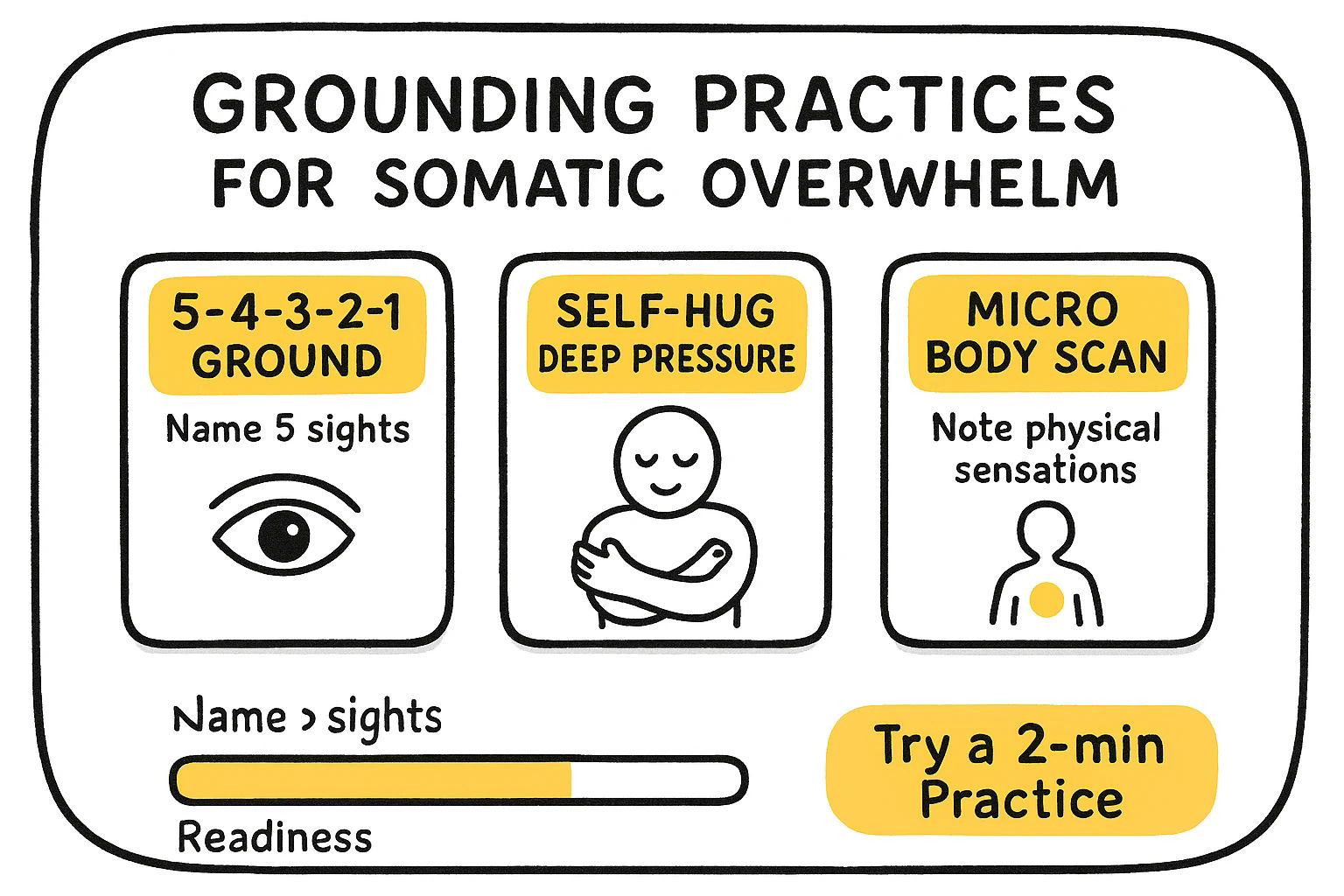
When you're feeling overwhelmed, anxious, or emotionally dysregulated, your body can feel like it's spinning out of control. Grounding techniques are immediate, in-the-moment tools to bring you back to the present and stabilize your nervous system.
Many people with ADHD also have sensory processing sensitivities. This means you might be hyper-responsive (overwhelmed by sounds, lights, textures) or hypo-responsive (seeking out intense sensory input). This plays a huge role in how you experience emotions physically. For example, certain sounds might trigger immediate irritation that you feel as tension in your temples, or a scratchy tag in your shirt might amplify underlying anxiety.
Strategies to modulate sensory input for emotional calm:
Is your jaw constantly clenched? Do you carry all your stress in your shoulders, neck, or back? Many people with ADHD experience chronic tension or even pain as a direct result of emotional dysregulation and persistent stress. This often happens unconsciously. You might be grinding your teeth at night (a common ADHD-related symptom according to Reddit users searching "teeth grinding ADHD") or holding your body in a perpetually tense state, bracing for the next perceived challenge.
This constant state of "fight or flight" drains your energy and can lead to real physical discomfort.
Gentle movement and stretching exercises to release stored tension:
One of the most powerful somatic tools for ADHD is movement. Many people with ADHD instinctively fidget, pace, or need to move their bodies when processing thoughts or emotions. Instead of viewing this as a distraction, reframe it as your body's natural way of regulating. Movement can effectively discharge excess emotional energy, helping you process feelings that feel overwhelming when stagnant.

It sounds simple, but conscious breathing is a direct pathway to regulating your nervous system. When you're stressed or overwhelmed, your breathing becomes shallow and fast. Deep, deliberate breathing cues your body that it's safe to relax.
Simple, focused breathing exercises:
The goal isn't just to react to overwhelm; it's to build a foundation of emotional resilience. This means weaving small, consistent somatic practices into your daily life, transforming them from "emergency tools" to core habits.
The challenge with ADHD is often consistency. Don't aim for perfection. Instead, embrace "micro-somatic breaks." Can you do one minute of mindful breathing before checking email? Can you do a 30-second shoulder roll after a meeting? These small, intentional moments add up over time.
One of the biggest hurdles for individuals with ADHD is the shame that can accompany perceived "inconsistencies" or struggles. When incorporating somatic practices, be kind to yourself. Some days you'll remember these tools, some days you won't. That's okay. The key is compassionate persistence, not rigid adherence. Each time you return to a somatic practice, you're strengthening the connection between your mind and body, and building a more resilient emotional landscape.
While these self-help tools are incredibly powerful, there are times when professional guidance can make a significant difference. If you find yourself consistently overwhelmed, struggling with intense emotional outbursts, experiencing chronic pain or tension that doesn't resolve, or suspect co-occurring trauma, working with a trained somatic therapist can be invaluable.
A somatic therapist can provide personalized guidance, help you safely explore complex emotions stored in your body, and teach advanced techniques like Somatic Experiencing (SE) or sensorimotor psychotherapy. They can also help with biofeedback and neurofeedback, advanced interventions that directly teach you to regulate physiological responses. This holistic approach, combining self-practice with expert support, can be especially effective for the nuanced challenges of ADHD.
Yes, absolutely. Research indicates a strong link between ADHD, emotional dysregulation, and physical symptoms. Conditions like anxiety and depression frequently co-occur with ADHD (e.g., 4 in 10 children with ADHD also have clinically significant anxiety), and these often present with somatic complaints like muscle tension, gut issues, or restlessness. Your body isn't just reacting to stress; it's often storing emotional experiences.
Interoception is your sense of your internal bodily states, like your heartbeat, hunger, or gut feelings. For people with ADHD, there's often diminished interoceptive accuracy, meaning you might not clearly perceive or interpret these internal signals. This can lead to feeling overwhelmed without knowing why, or struggling to differentiate between physical discomfort and emotional states. Improving interoception helps you understand your body's messages better, leading to improved self-regulation.
Traditional cognitive therapies like CBT focus on changing thought patterns to influence emotions. Somatic techniques, on the other hand, are "bottom-up" approaches. They start by addressing physical sensations and body-based responses to directly influence your nervous system and emotional state. For someone with ADHD who experiences emotions intensely and physically, somatic tools can offer a more immediate and accessible pathway to regulation when cognitive approaches feel overwhelming or ineffective.
Yes. Chronic stress and emotional dysregulation in ADHD often lead to persistent muscle tension in areas like the jaw, neck, and shoulders, and can contribute to issues like teeth grinding. Somatic practices like targeted stretching, conscious breathing, and movement can help release this stored tension, calm the nervous system, and reduce stress-related pain by allowing your body to process and release accumulated emotional energy.
No, somatic techniques are not a cure for ADHD, which is a neurodevelopmental condition. However, they are powerful tools for managing the symptoms, particularly emotional dysregulation, anxiety, and the physical manifestations of stress. By integrating somatic practices, you can significantly improve your ability to cope with intense emotions, enhance self-awareness, and build greater emotional resilience, leading to a better quality of life with ADHD.
While self-help somatic tools are great, consider a professional if: your emotional dysregulation is severely impacting your daily life; you suspect co-occurring trauma; your chronic physical tension or pain is persistent; or you feel stuck and unable to make progress on your own. A trained somatic therapist can provide personalized, deeper interventions and support for complex emotional and bodily experiences.