ADHD Emotional Regulation Guide for the Digital Age
Learn how to manage ADHD emotional regulation online. Compare strategic digital detox, mood-tracking apps, and moderated communities to reduce overwhelm, regain control.

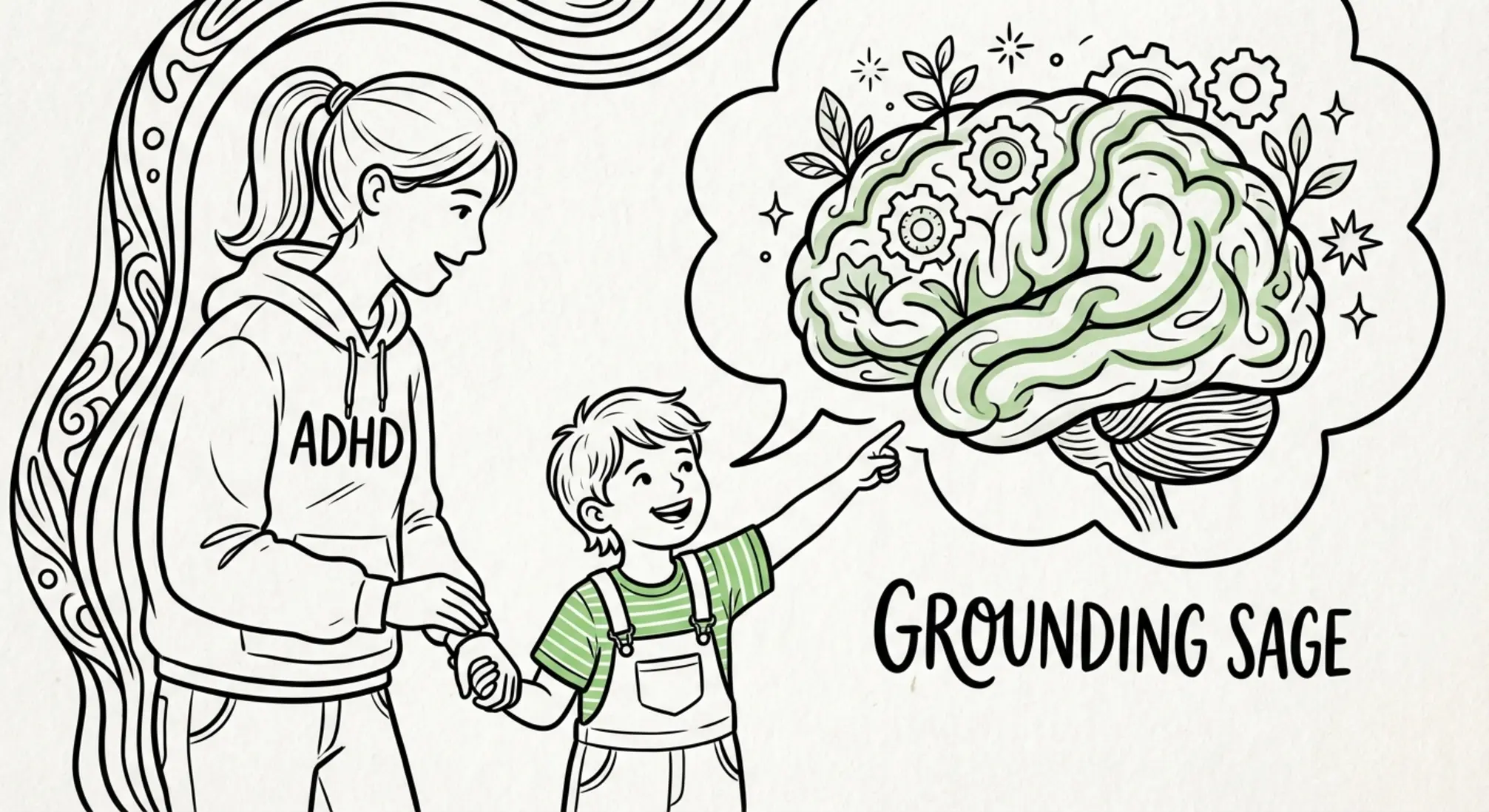
If you have ADHD, you know that managing your emotions can sometimes feel like trying to catch smoke in a hurricane. Now, imagine that hurricane is happening inside an internet server farm, filled with flashing lights, constant notifications, and endless data streams. Welcome to emotional regulation with ADHD in the digital age.
You’re not just looking for information; you're looking for solutions that actually work for an ADHD brain amidst all this digital noise. You’re comparing different approaches, weighing the risks of constant digital engagement against the possibilities of finding online support and even leveraging technology for good. This isn't about simply turning off your phone; it’s about strategically reclaiming control over your emotional landscape.
For many with ADHD, particularly adults, emotional dysregulation (ED) isn't just an occasional bad mood; it's a pervasive aspect of the condition. Roughly 60-70% of adults with ADHD experience significant emotional dysregulation, manifesting as irritability, a short temper, or feeling easily overwhelmed by emotions (Perplexity, APA, ADDA). This isn't a character flaw—it’s rooted in the brain. The prefrontal cortex, vital for emotional control, matures slower in individuals with ADHD, and the amygdala, our emotion center, can be overactive (Verywell Mind, NIMH).
Now, layer on the digital world. The constant stimulation from screens, the relentless stream of social media, and the incessant notifications don’t just distract; they actively amplify impulsivity, anxiety, and overstimulation, making it incredibly difficult for an ADHD brain to find its calm center (Perplexity).
The digital age promises connection and information, but for the ADHD brain, it often delivers a potent cocktail of triggers that can send emotions spiraling.
Familiar with staring at your phone, mindlessly scrolling through feeds, only to look up an hour later feeling worse than when you started? This isn’t a coincidence. Our digital feeds are expertly designed dopamine slot machines. For an ADHD brain, already prone to seeking novel stimulation, this can be incredibly hard to resist. Each notification, each new piece of content, offers a tiny hit of dopamine, creating a feedback loop that leads to prolonged engagement and, often, sensory overload and overwhelm (Perplexity).
It’s not just about wasted time. This constant barrage fragments attention and exhausts cognitive resources, leaving less mental bandwidth for genuine emotional processing and regulation. Think of it like trying to hold a thoughtful conversation in a crowded, noisy concert hall. The sheer volume makes it hard to hear your own thoughts, let alone manage your reactions.
The online world can be a brutal place, and for those with ADHD, it often cuts deeper. Rejection Sensitive Dysphoria (RSD), an intense emotional pain triggered by perceived or actual criticism, rejection, or teasing, is already a significant struggle for many with ADHD (ADDitude Magazine). Social media is a prime breeding ground for RSD, where problematic use is directly linked to increased anxiety (Perplexity).
A casual comment, a misunderstood emoji, or even simply being left out of an online group chat can trigger an intense, disproportionate emotional response. The permanence and public nature of online interactions mean that a perceived slight can replay endlessly, feeding into rumination and escalating emotional distress. Cyberbullying, whether direct or subtle, exploits this sensitivity, making the digital space a minefield for emotional well-being.
For an ADHD brain already grappling with executive function challenges like maintaining focus, prioritizing tasks, and inhibiting impulses, the digital age presents an unparalleled assault. Every pop-up, every new tab, every buzzing notification is a direct challenge to your prefrontal cortex. This constant context-switching further impairs your ability to concentrate and regulate your emotional state (ADD.org, Perplexity).
This isn't about a lack of discipline; it's a neurological reality. The effort required to filter out digital noise can leave you drained, making it even harder to manage daily tasks, let alone complex emotional responses. Some research even links the anxiety and constant vigilance around digital input to physical manifestations like teeth grinding (bruxism), a common stress response exacerbated in ADHD due to anxiety and medication side effects (KYTDentalServices.com, ScienceDirect).
Here's an overview illustrating the dual nature of digital engagement—both the harms it can inflict and the practical tools it offers for support.

It's tempting to throw your phone in a lake and declare yourself digitally free. But the digital world isn't going anywhere, and for many with ADHD, it’s a necessary part of life, work, and even connection. The key isn't avoidance; it’s strategic engagement. We can learn to leverage technology as a tool for emotional regulation, rather than letting it be a source of chaos.
The idea of a digital detox often feels overwhelming for an ADHD brain. "Just put your phone away" is akin to telling someone with a broken leg to "just walk it off." It ignores the immense executive function required to break established habits. A strategic digital detox is about creating ADHD-friendly boundaries that are achievable and sustainable.
This method transforms the daunting idea of a digital detox into manageable, ADHD-friendly micro-habits.

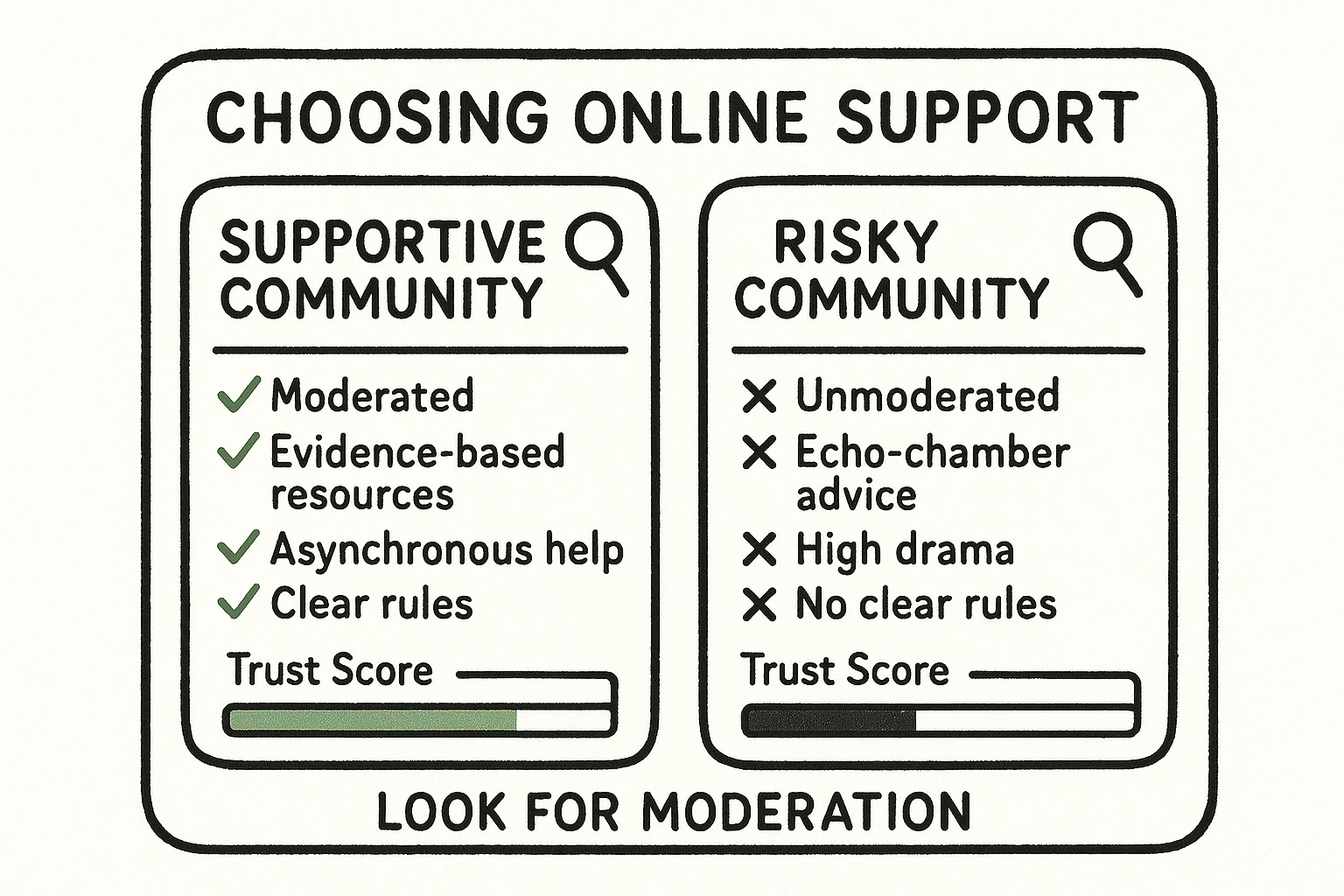
Online communities for ADHD can be a powerful source of validation, support, and practical coping strategies, reducing feelings of isolation (Perplexity). Hearing from others who get it can be incredibly normalizing. However, they are a double-edged sword, also carrying risks of distraction, misinformation, and emotional contagion (Perplexity).
To navigate these spaces wisely, it's crucial to be discerning:
While digital tools can create distractions, they can also be strategically repurposed to support emotional regulation. Consider these categories:
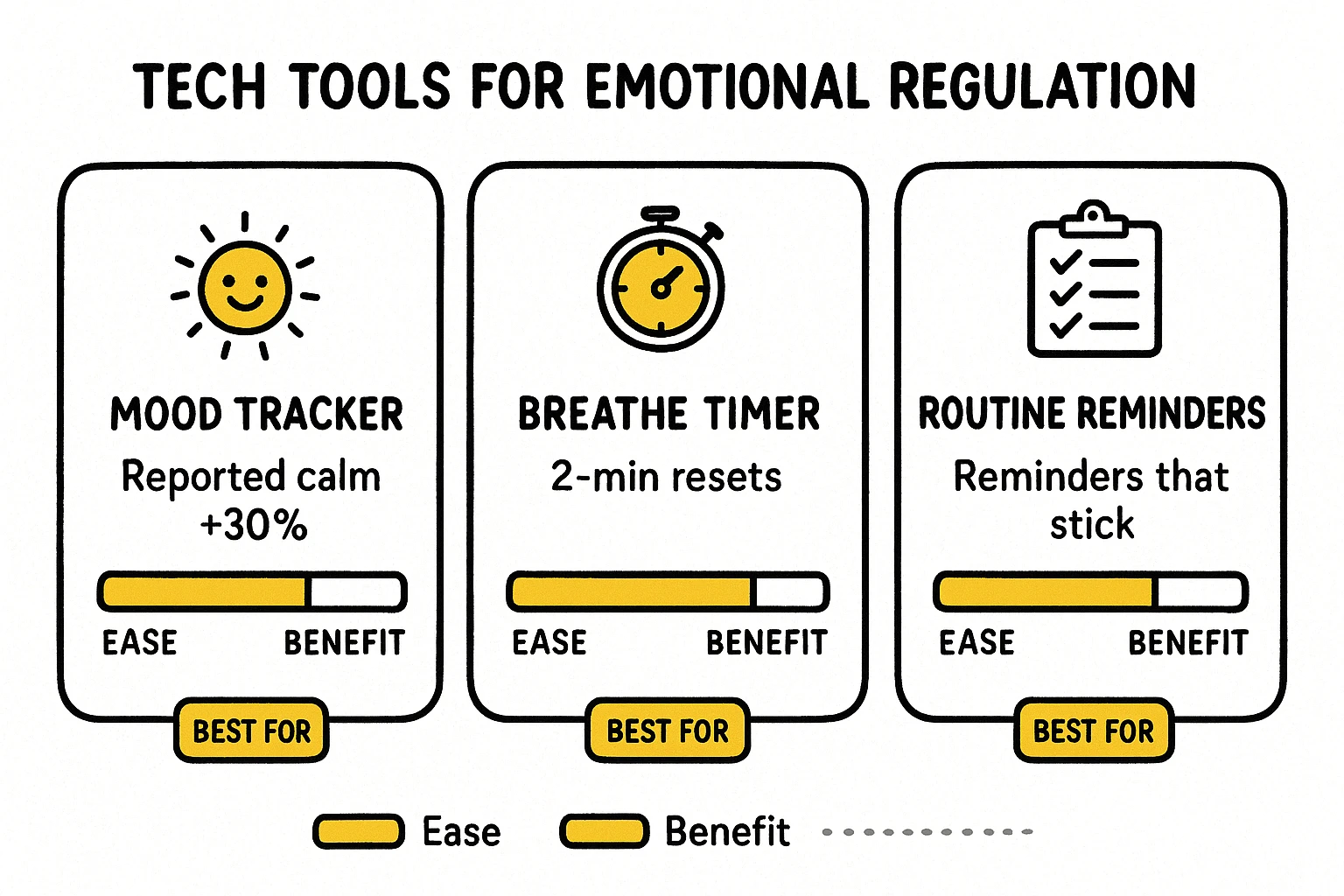
This isn't about finding a magic bullet, but about turning potential sources of chaos into structured supports that complement the way your brain works.
Managing emotional regulation in the digital age requires a multifaceted approach. It’s not just about what you do online, but how you support your entire system.
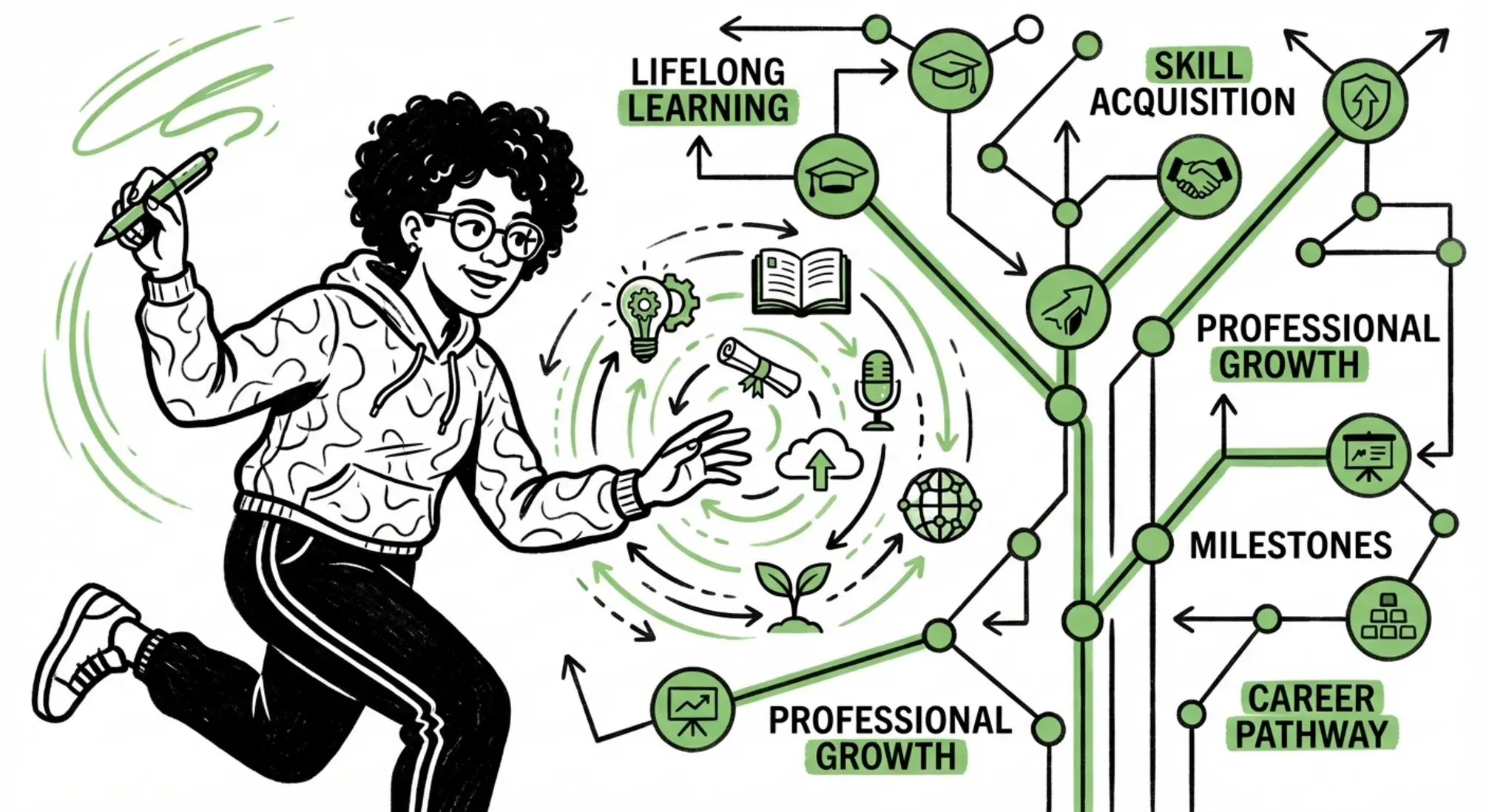
Ultimately, building digital resilience for emotional regulation with ADHD is about empowering yourself. It’s about recognizing the unique challenges the digital world poses to your brain and proactively choosing how you engage with it.
***
Emotional dysregulation (ED) is increasingly recognized as a core feature of ADHD, not just a comorbidity. It’s present in approximately 50% of children and 60-70% of adults with ADHD (Perplexity). It’s believed to stem from differences in brain regions responsible for executive functions and emotional processing, such as the prefrontal cortex and amygdala (Verywell Mind). So, if you're experiencing it, you're not alone, and it's directly linked to your ADHD.
While anyone can experience digital distress, for individuals with ADHD, it's often amplified due to underlying neurological differences. The ADHD brain's struggle with impulsivity, attention regulation, and dopamine sensitivity makes it particularly vulnerable to endless scrolling and notification overload (Perplexity). The heightened emotional sensitivity (RSD) also makes online criticism or perceived slights far more painful and difficult to recover from (ADDitude Magazine). It's less about a lack of discipline and more about a different neurological wiring interacting with a highly stimulating environment.
Pay attention to how you feel after engaging with social media. Do you feel more anxious, irritable, restless, or sad? Do you compare yourself negatively to others? Does it trigger intense feelings of rejection or anger? If you notice a consistent negative emotional shift, difficulty disengaging, or find it exacerbates existing mood issues, it's a strong indicator of problematic use contributing to emotional dysregulation (Perplexity). Tracking your mood in conjunction with social media use can offer clear insights.
Traditional, abrupt digital detoxes can be difficult to sustain for an ADHD brain due to executive function challenges and the struggle with consistency. However, a strategic digital detox focusing on micro-steps and ADHD-friendly boundaries is effective. Breaking it down into small, manageable actions—like the 20-minute rule or specific notification audits—makes it less overwhelming and more likely to stick, leading to improved attention, sleep, and reduced anxiety (Perplexity).
Absolutely. While digital platforms can be problematic, specific tech tools can be incredibly supportive. Mood tracking apps provide data for self-awareness, mindfulness apps offer accessible calming techniques, and reminder apps can prompt emotional check-ins or breaks (ADD.org). Integrating these tools strategically transforms technology from a source of overwhelm into a supportive aid for emotional well-being. The key is intentional selection and use.
***
In the end, understanding ADHD and emotional regulation in the digital age is about empowerment. It’s about recognizing the current landscape, acknowledging your unique brain, and consciously carving out a path where technology serves you, rather than the other way around. You have the power to influence your internal "mental internet," and by applying these intentional strategies, you can transition from digital chaos to confident emotional control.