Complete Guide for ADHD Adults Navigating Intense Emotions
Learn how ADHD adults manage intense emotions with quick grounding, emotion tracking, and a compact emotional first-aid kit. Discover tools to regain calm.
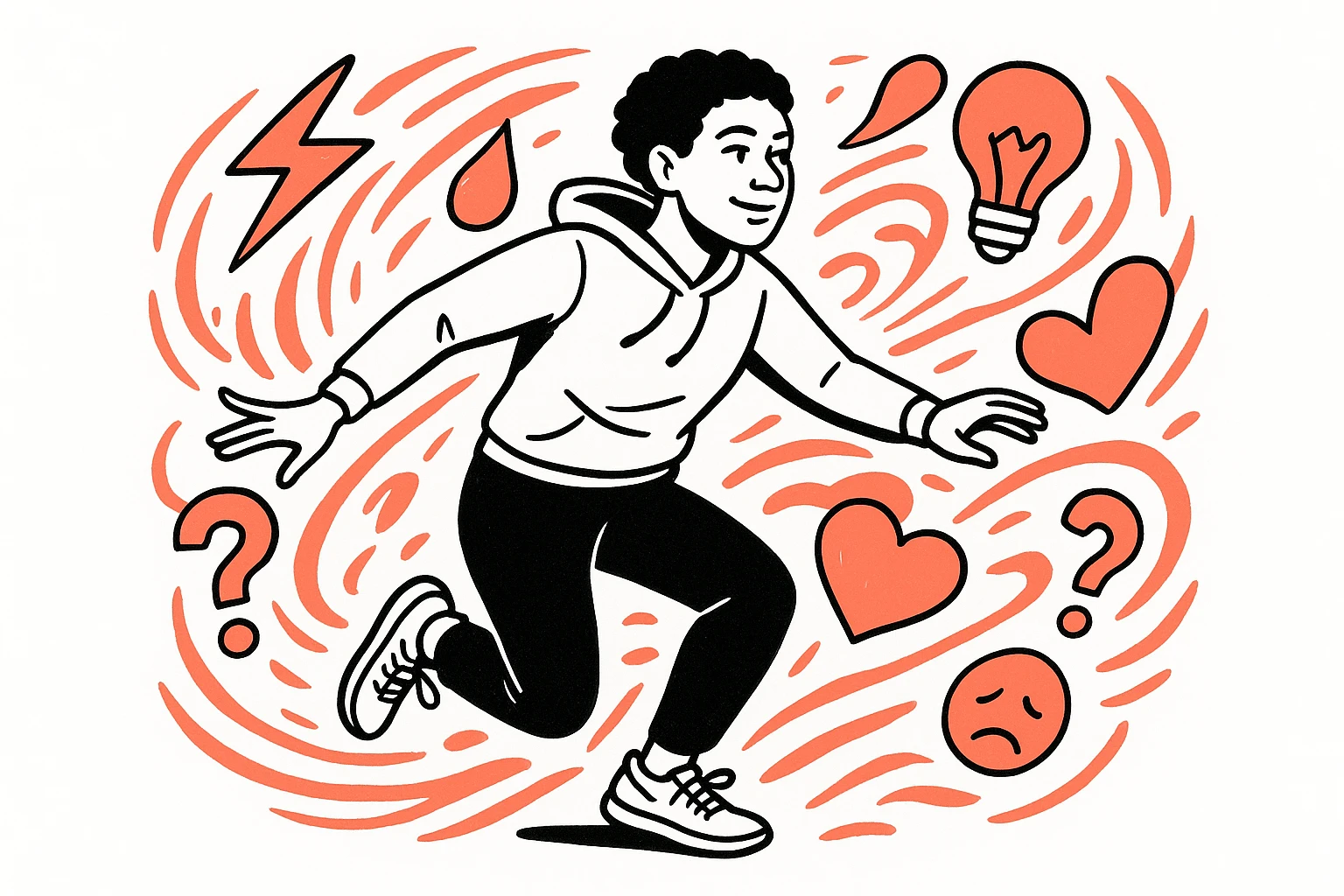
For ADHD adults, navigating emotions often feels less like a gentle river and more like a torrent—a "beautifully chaotic, endlessly fascinating, mildly exhausting mental internet" where every thought can launch a new rabbit hole of feeling. You're not alone if you find yourself grappling with intense emotional responses that seem disproportionate to the cause or linger longer than you'd like. The challenge isn't just having these emotions, but understanding how your unique neurobiology processes them, and then, crucially, how to manage them effectively.
This isn't about stifling what you feel; it's about gaining agency over your emotional landscape. While clinical approaches offer valuable frameworks, we're diving into strategies forged in the lived experience of ADHD, designed to work with your brain, not against it. What practical steps can you take right now to move beyond basic coping to a place of sustained emotional regulation?
Let's be clear: emotional dysregulation isn't a character flaw, especially not for those with ADHD. Research consistently points to distinct neurological pathways that make managing emotions a unique hurdle. Studies, such as those discussed within the ADHD Evidence Project, highlight differences in executive functions—like working memory, inhibition, and self-regulation—that underpin emotional control. Your brain might process emotional stimuli with greater intensity, respond faster, and struggle more with dampening these responses compared to neurotypical individuals. This isn't just about feeling things deeply; it's about the very mechanism of feeling.
The challenge, then, isn't to simply "feel less" but to develop strategies that acknowledge and leverage your brain's operating system. How do you integrate quick, effective techniques when sustained focus is a battle, or when your internal internet is already buzzing with a thousand tabs open?
One of the most powerful tools in your emotional regulation arsenal is self-awareness. But for ADHD minds, simply "reflecting" can feel like trying to catch smoke. Our brains thrive on novelty and visual cues, and struggle with abstract, unstructured introspection. This is where tailored emotion tracking comes in.
Instead of journaling extensive narratives during moments of distress, focus on capturing quick, actionable data points. The goal isn't perfect daily compliance, but identifying recurring themes and patterns. What were you doing just before that wave of overwhelm hit? What thoughts were loudest in your head?
A quick, visual system can be incredibly effective. Think about charting triggers, assigning an intensity score (1-10), and noting brief consequences or coping attempts. This kind of "data-driven" approach can appeal to the ADHD brain's love for patterns and immediate feedback. It turns nebulous emotional experiences into concrete, observable data you can process.
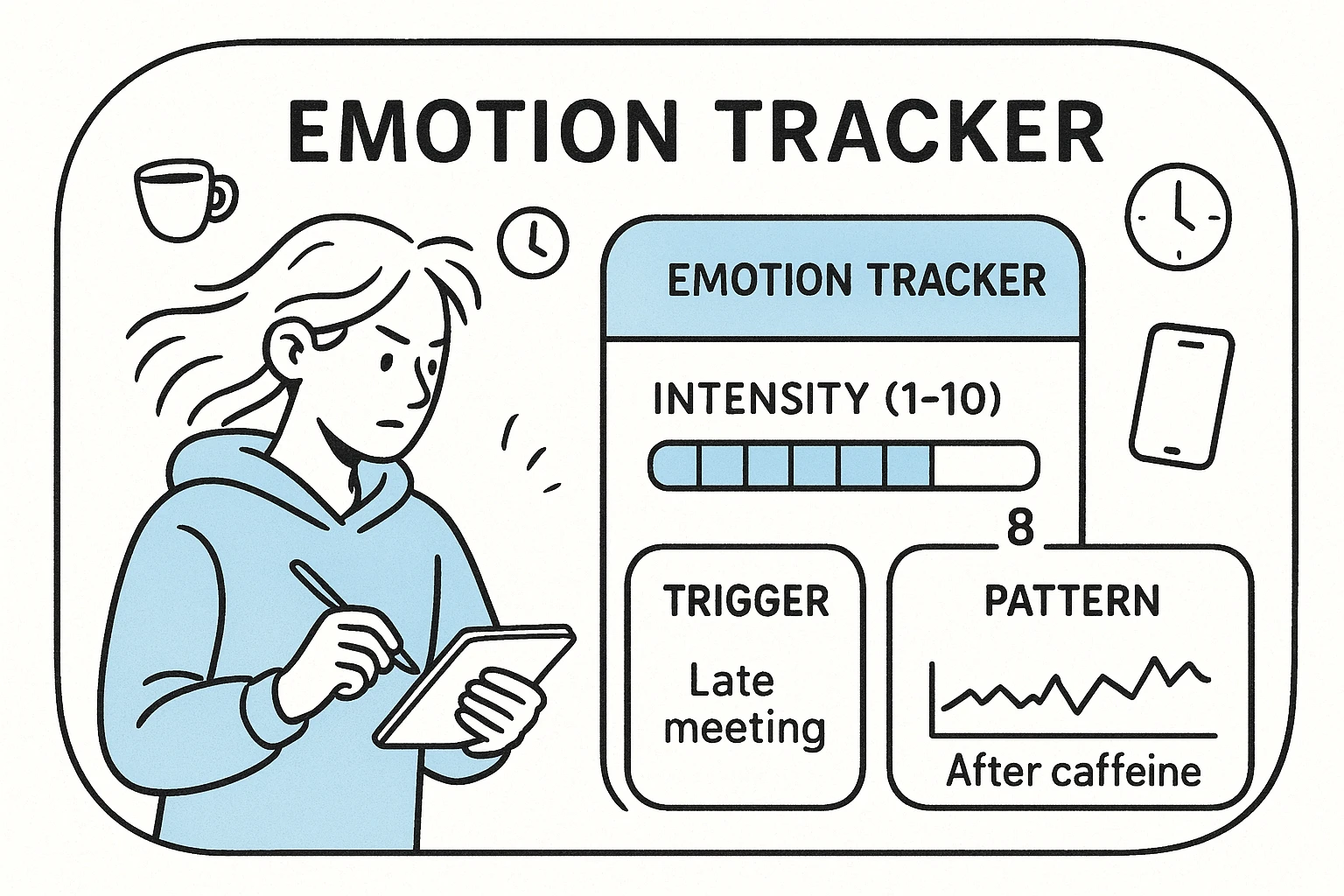 Early evaluation — helps readers decide whether tracking is worth trying
This isn't about creating another chore. It's about empowering you with evidence specific to your emotional internet. Once you identify patterns, you can proactively intervene. For more context on the impact of ADHD on daily life, exploring resources like the Mini ADHD Coach can provide useful insights into managing various aspects, including emotional shifts.
When an intense emotion threatens to hijack your attention, traditional grounding techniques can sometimes feel… too slow, too abstract, or too demanding of sustained focus. The ADHD brain often needs techniques that are immediately engaging, multi-sensory, and offer a quick shift in attention without requiring deep concentration.
The key is variety and speed. What works one day might not the next, and the faster you can deploy a technique, the better. Consider techniques that:
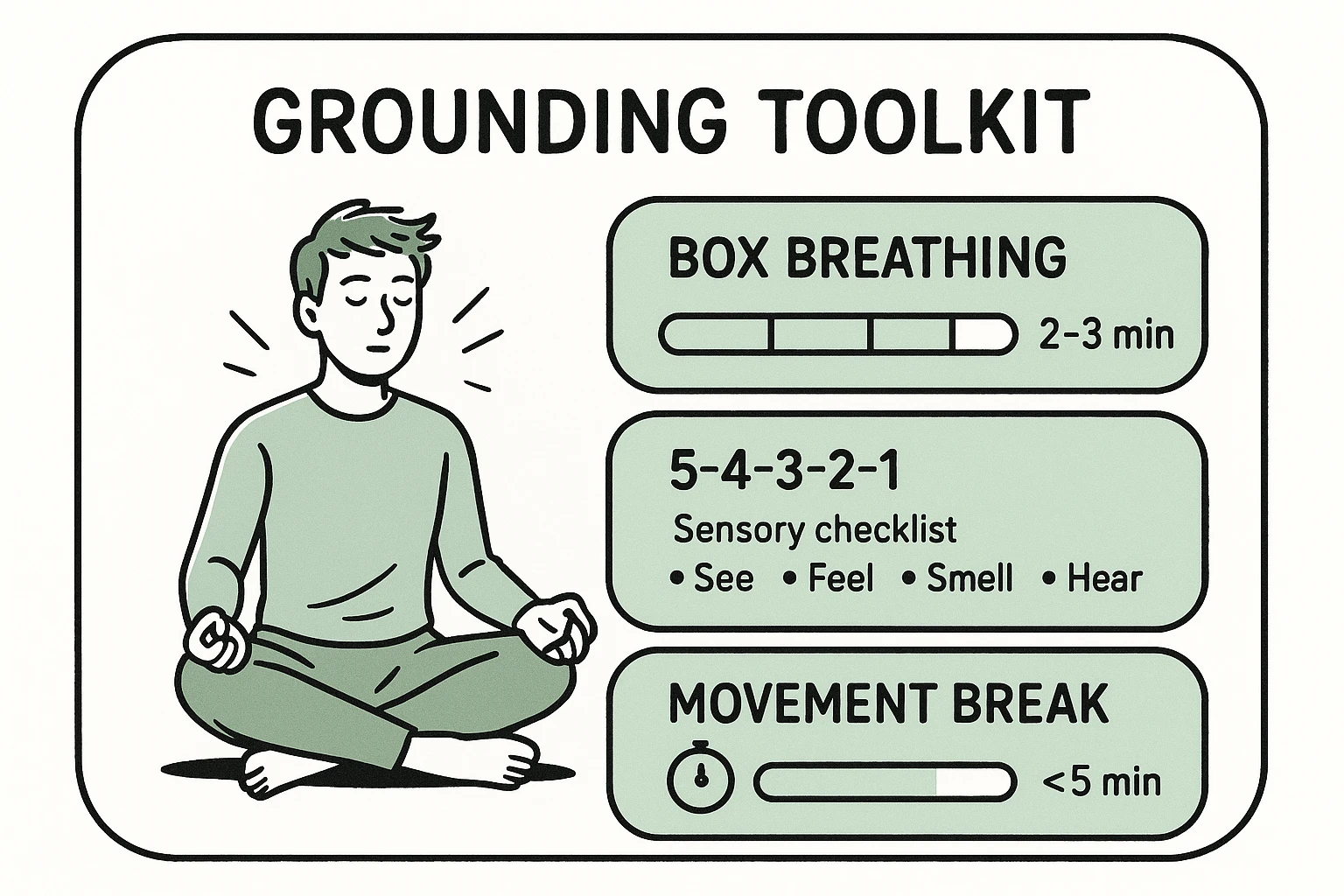 Problem-solution evaluation — helps readers choose grounding techniques to try immediately
The beauty of these techniques is their low barrier to entry. You don't need a quiet room or a perfect mindset; you just need to do them. For deeper dives into actionable strategies, resources like ADDitude Magazine continually offer advice from experts and individuals living with ADHD.
One of the ongoing dilemmas for ADHD adults is discerning whether to lean into an intense emotion and process it, or to intentionally distract and redirect attention away from it. Both have their place, but knowing when to choose which path is critical.
The distinction often lies in the intensity and context. If an emotion is overwhelming, all-consuming, and preventing you from functioning, redirection might be your immediate best bet. This isn't avoidance in the long term, but rather a strategic pause to regain control. Think of it as hitting the reset button on your internal internet browser when too many tabs crash your system. High-engagement, low-stakes distractions like a quick game, a brisk walk, or listening to music can be effective.
However, if you're consistently avoiding processing significant emotions, they can fester and resurface later with more intensity. If an emotion is manageable and you have the mental bandwidth, processing is crucial. This might involve:
The key is intentionality. Don't just distract mindlessly; make a conscious choice to redirect for a short, defined period with a plan to return to the emotion later, if necessary. And don't just "process" aimlessly; give your emotional reflection some structure.
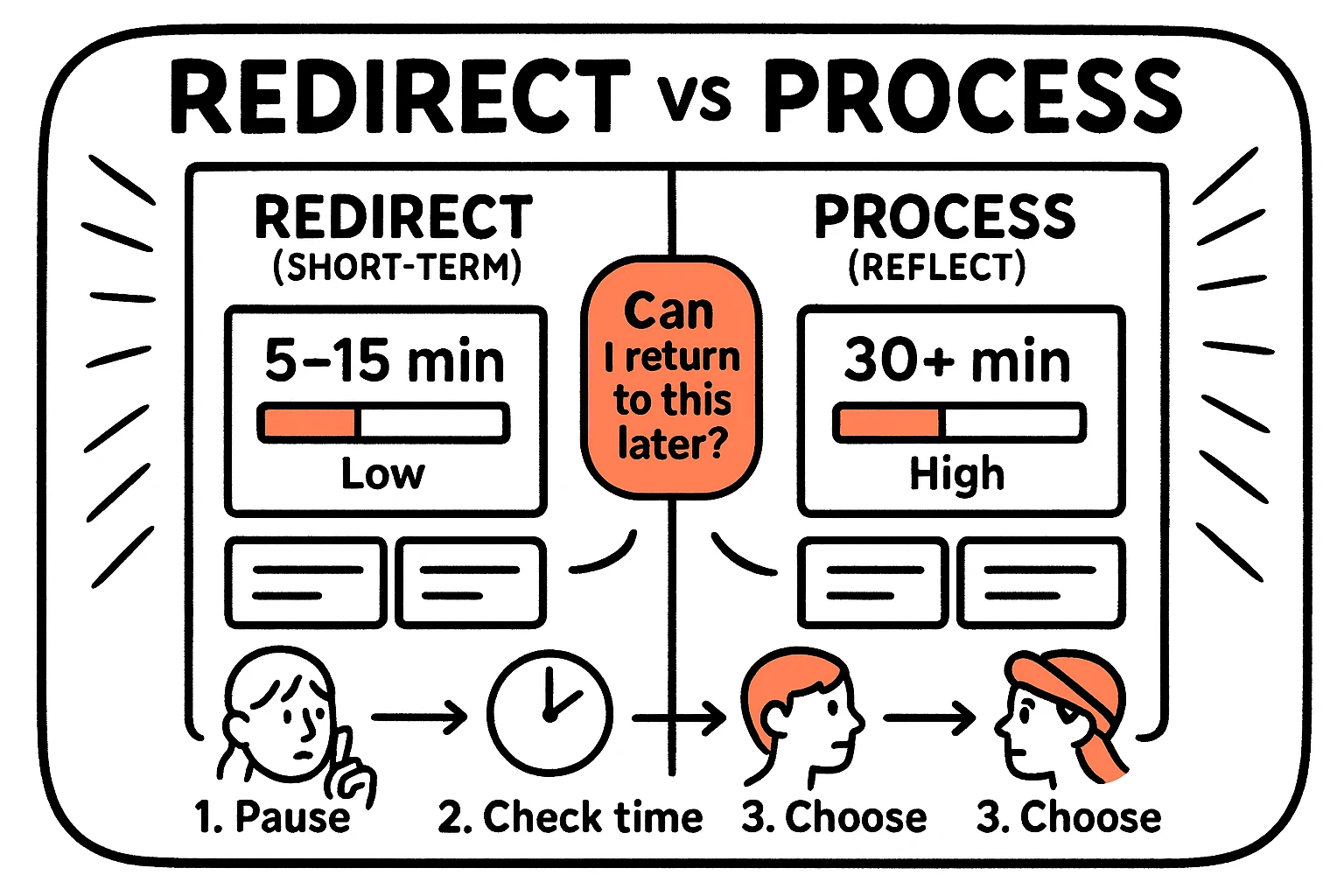 Decision framework — aids readers deciding whether to redirect attention or process emotions
This strategic approach helps you leverage your ADHD brain's strengths—its ability to hyperfocus on a new stimulus (distraction) and its deep capacity for insight (processing)—without falling into unhelpful patterns. The Inflow app, for instance, focuses on providing tools for both self-reflection and focused attention to manage ADHD symptoms holistically.
Just as you wouldn't go hiking without a basic first aid kit, you shouldn't navigate the demands of daily life as an ADHD adult without a personalized emotional first aid kit. This isn't about preventing emotions, but preparing for their intensity.
Your kit should be a curated collection of go-to tools, activities, and resources that you know can provide rapid relief when emotions hit. The crucial element here is pre-planning when you're calm. When overwhelm strikes, executive function often goes offline, making decision-making difficult. Having pre-selected options removes that cognitive load.
Consider these elements for your kit:
Remember, the goal is rapid response. Keep these items accessible and your list short enough to be digestible in a state of distress. Regularly "auditing" your kit and practicing using its contents can build confidence and improve efficacy.
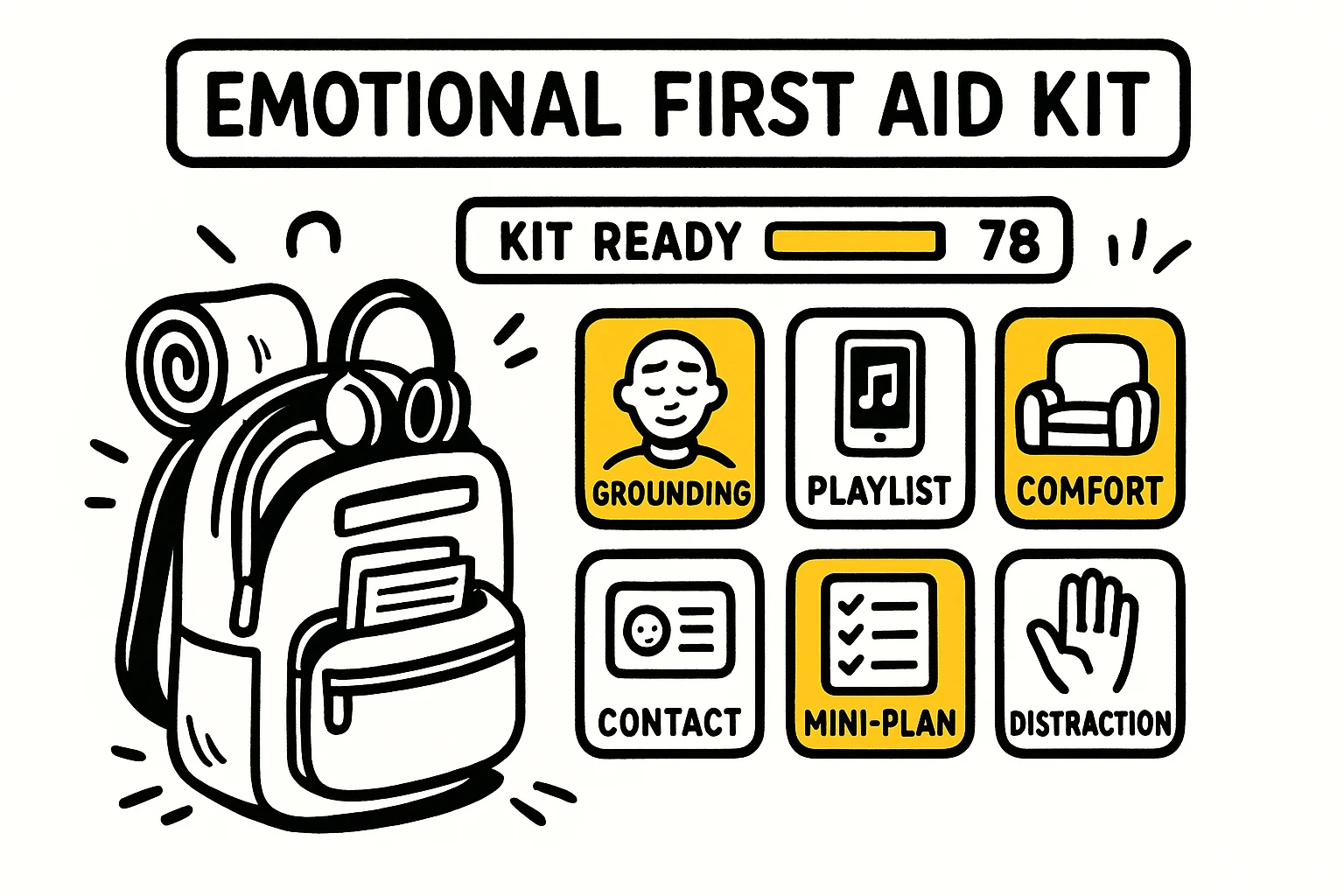 Readiness and toolkit selection — helps readers assemble a personalized rapid-response plan.
While the initial intensity of an emotional response might be neurologically hardwired to some extent, you absolutely can change your reaction to it, your recovery time, and your ability to regulate its outward expression. The strategies discussed here are about building skills to manage the cascade once it starts, rather than trying to prevent the initial spark. Think of it less as changing the core OS and more like installing powerful new software that optimizes performance.
Emotional regulation is not a one-size-fits-all solution, especially for ADHD adults who thrive on novelty and can easily get bored. The key is experimentation and adaptation. If a technique doesn't resonate, analyze why. Was it too boring? Too difficult to implement? Did it require too much sustained attention? Don't discard the idea of emotional regulation; simply pivot to another strategy. The important thing is to keep iterating your approach, much like you'd explore different "rabbit holes" on your mental internet until you find one that's truly engaging. Continue exploring resources like those offered by the ADHD Evidence Project for insights into evidence-based approaches that might resonate differently.
This is a classic ADHD challenge! The most effective way is through external reminders and pre-commitment. This could mean:
The "Emotional First Aid Kit" concept is specifically designed to minimize decision fatigue in moments of overwhelm, giving you pre-approved options to grab onto.
Absolutely not. Embracing skills like emotional regulation is about empowerment and self-advocacy, not suppression. Your ADHD traits are part of your unique identity, but intense emotional dysregulation can significantly impact well-being, relationships, and professional success. Learning to manage these intense experiences allows you to harness the strengths of your ADHD (like passion, creativity, and hyperfocus) more effectively, without being constantly derailed by emotional turbulence. It's about building a robust internal system so you can thrive on your own terms. For a community perspective on navigating challenges, sites like the Mini ADHD Coach and ADDitude Magazine offer many personal stories and expert advice.
While these strategies offer powerful self-management tools, they are not a substitute for professional support. You should consider seeking professional help if:
A therapist specializing in ADHD, such as those found through the resources provided by the Inflow app or ADDitude Magazine, can offer tailored guidance, cognitive behavioral therapy (CBT), dialectical behavior therapy (DBT) techniques, and medication management if appropriate.
Navigating your emotional internet as an ADHD adult is a continuous journey. It's not about achieving perfect calm, but about building resilience, developing self-awareness, and equipping yourself with tools that truly resonate with your unique brain.
If you're ready to dive deeper into understanding and managing your "beautifully chaotic" emotional landscape, consider how a personalized, lived-experience-driven approach can make a difference. Explore our content further, engage with stories from others who "get it," and start building your custom toolkit for emotional mastery. We're here to help you turn overwhelm into empowered action.