ADHD Emotional Hijacks Complete Guide to Regaining Control
Learn how to manage ADHD emotional hijacks and reduce intense outbursts with research backed prevention, in the moment tactics, and post outburst repair.
ADHD Emotional Hijacks: Reclaim Your Calm (Understanding & Managing Intense Outbursts)
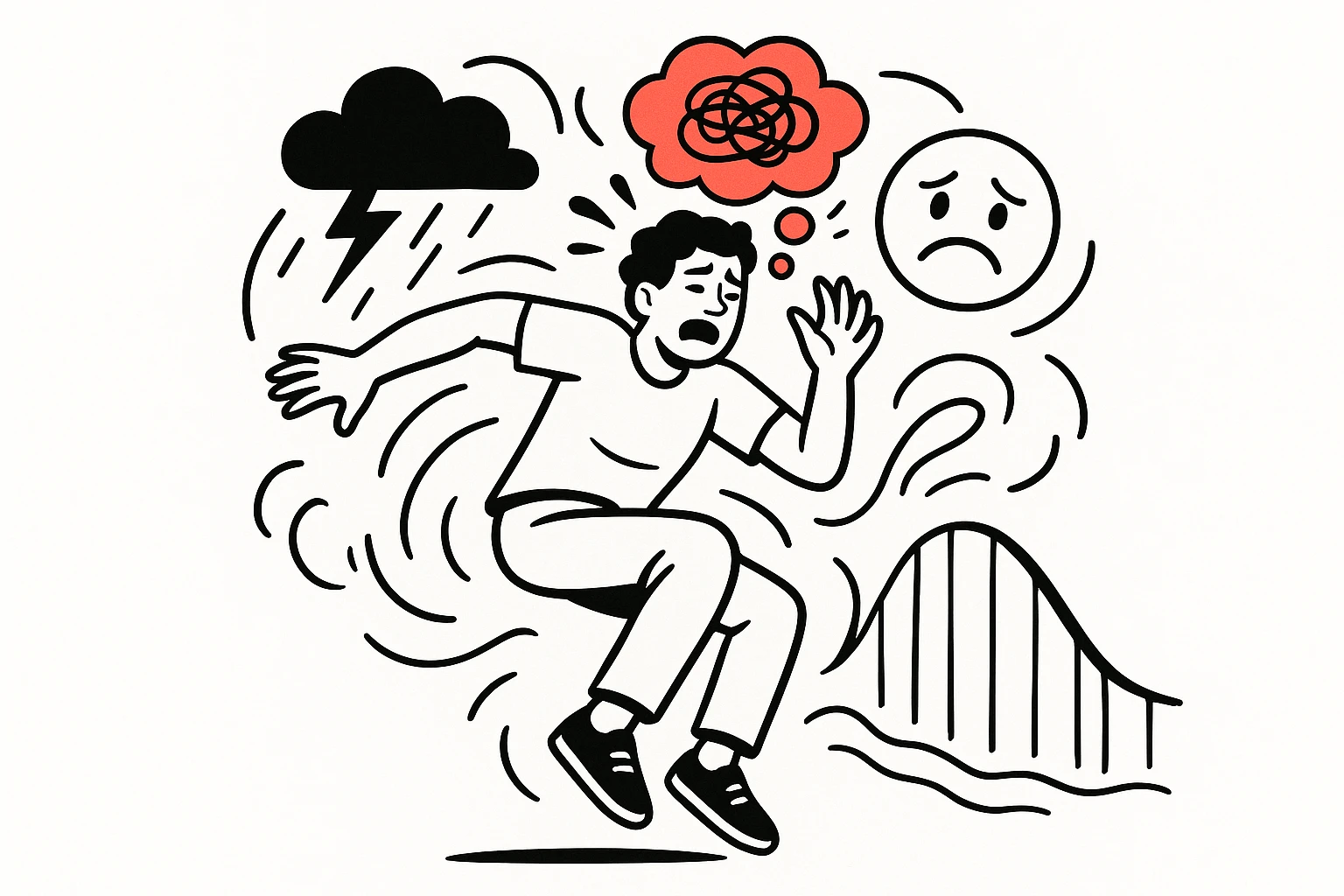
Imagine a rollercoaster, not the fun kind at an amusement park, but one in your mind—a sudden, dizzying ascent of emotions, a precipitous drop into overwhelming feelings, and a struggle to regain solid ground. For individuals with Attention-Deficit/Hyperactivity Disorder (ADHD), emotions often feel exactly like this, characterized by rapid escalation to ‘emotional hijacks’ or intense outbursts that can leave you, and those around you, reeling. This phenomenon is not a personal failing, but a prevalent neurobiological challenge affecting between 34% and 70% of adults and up to 80% of children with ADHD, making it a core symptom rather than a mere comorbidity. Understanding why these emotional surges occur and learning how to navigate them is crucial for improved relationships, enhanced productivity, and overall mental well-being.
An ADHD emotional hijack refers to the sudden, overwhelming surge of intense emotions that can quickly bypass rational thought and lead to impulsive, often regrettable, reactions. This is a direct consequence of neurobiological differences in the ADHD brain. The brain’s executive functions, primarily managed by the prefrontal cortex, are responsible for regulating emotions, planning, and inhibiting impulsive behaviors. In individuals with ADHD, this critical region exhibits decreased activation, impairing the brain’s ability to moderate emotional responses.
The amygdala, often called the brain’s alarm system, processes emotions like fear and anger. In the context of ADHD, the amygdala can be hypersensitive, reacting more intensely and quickly to perceived threats or stressors. Concurrently, the prefrontal cortex, which should act as the brake on the amygdala’s alarm, is underactive. This creates a neurological imbalance: the emotional gas pedal is pressed hard, while the brake pedal is slow to respond.
Furthermore, dopamine dysregulation plays a significant role. Dopamine, a neurotransmitter critical for motivation, reward, and executive functions, is often imbalanced in the ADHD brain. This dysregulation can lead to difficulties in shifting focus from emotionally charged stimuli and in modulating the intensity and duration of emotional responses. The genetic link to emotional dysregulation and anger issues in ADHD further solidifies their inherent connection to the disorder.
Executive dysfunction directly contributes to emotional dysregulation in several ways, manifesting as difficulties in areas such as working memory, impulse control, and emotional self-regulation. Individuals with ADHD often struggle to hold emotional information in their minds long enough to process it rationally (working memory deficit), leading to immediate, unfiltered reactions. The impaired impulse control means there's a diminished capacity to pause between an emotional trigger and an automatic response, making emotional outbursts more likely. This also means that adults with ADHD tend to use maladaptive strategies, such as emotional suppression or avoidance, more frequently than adaptive strategies like reappraisal, further exacerbating emotional challenges.
Identifying the early warning signs of an emotional hijack is the first step toward regaining control. These signs can manifest across emotional, behavioral, physical, and cognitive domains:
A self-assessment checklist can help you identify your unique pattern of early warning signs, which is a crucial first step in intervention.
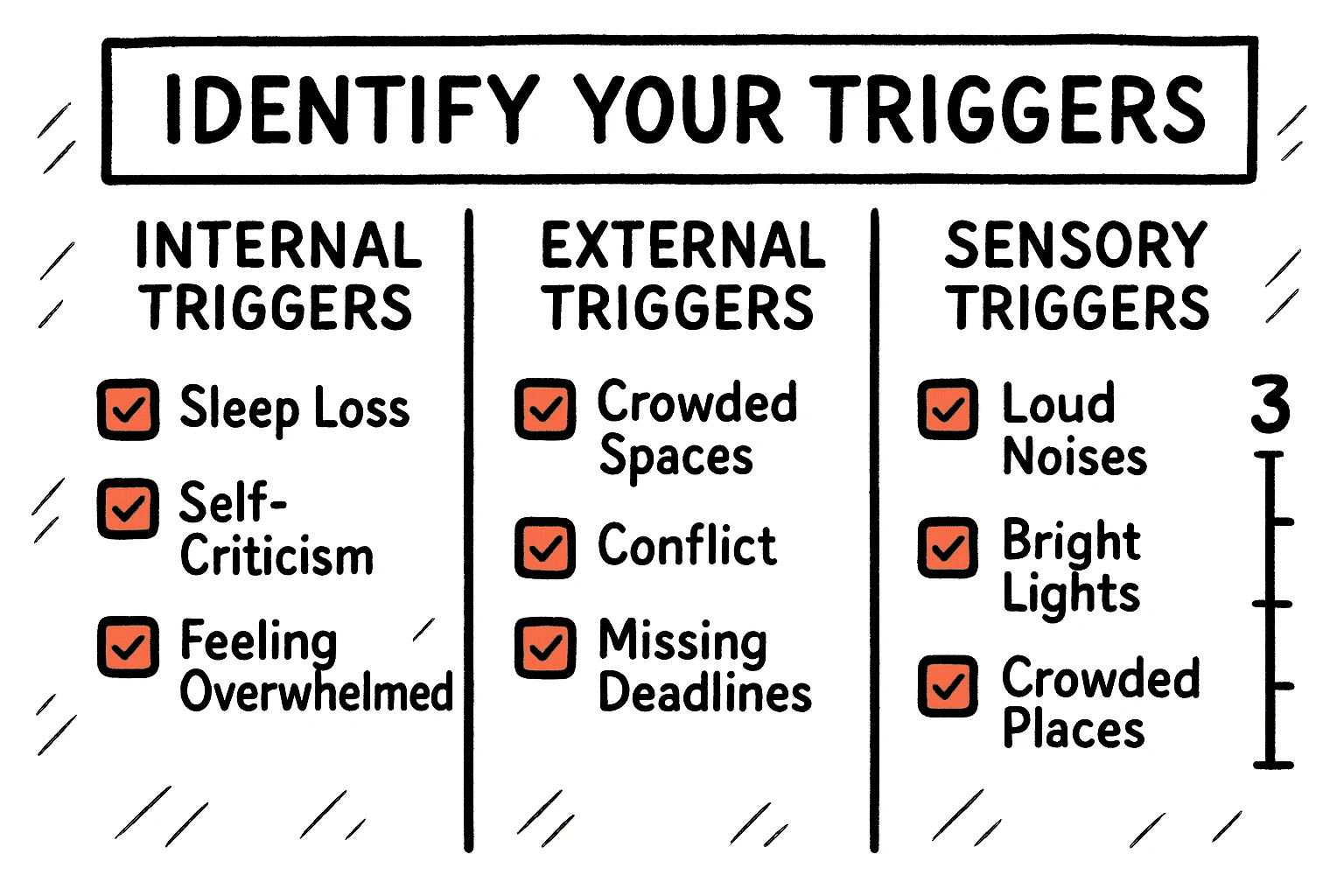
Understanding your specific triggers is fundamental to managing emotional hijacks effectively. Triggers can be internal, stemming from your own state, or external, arising from your environment and interactions. Sensory overload, for example, is a common external trigger for emotional meltdowns in individuals with ADHD.
Identifying these patterns can be facilitated by a personalized trigger matrix that helps track and analyze the cues that lead to emotional escalation.
A personalized trigger matrix can help identify internal, external, and sensory cues that commonly lead to emotional hijacks.
An effective approach to managing emotional hijacks involves a three-pronged strategy: pre-emptive actions, in-the-moment techniques, and post-outburst recovery. This comprehensive framework provides tools for prevention, immediate management, and learning from the experience.
Preventative measures are essential for reducing the frequency and intensity of emotional hijacks. These strategies build resilience and create a buffer against daily stressors.
When an emotional hijack is imminent or in full swing, immediate, quick-recall strategies are necessary to de-escalate.
This compact, four-step flow offers a practical guide for immediate use during emotional escalation.
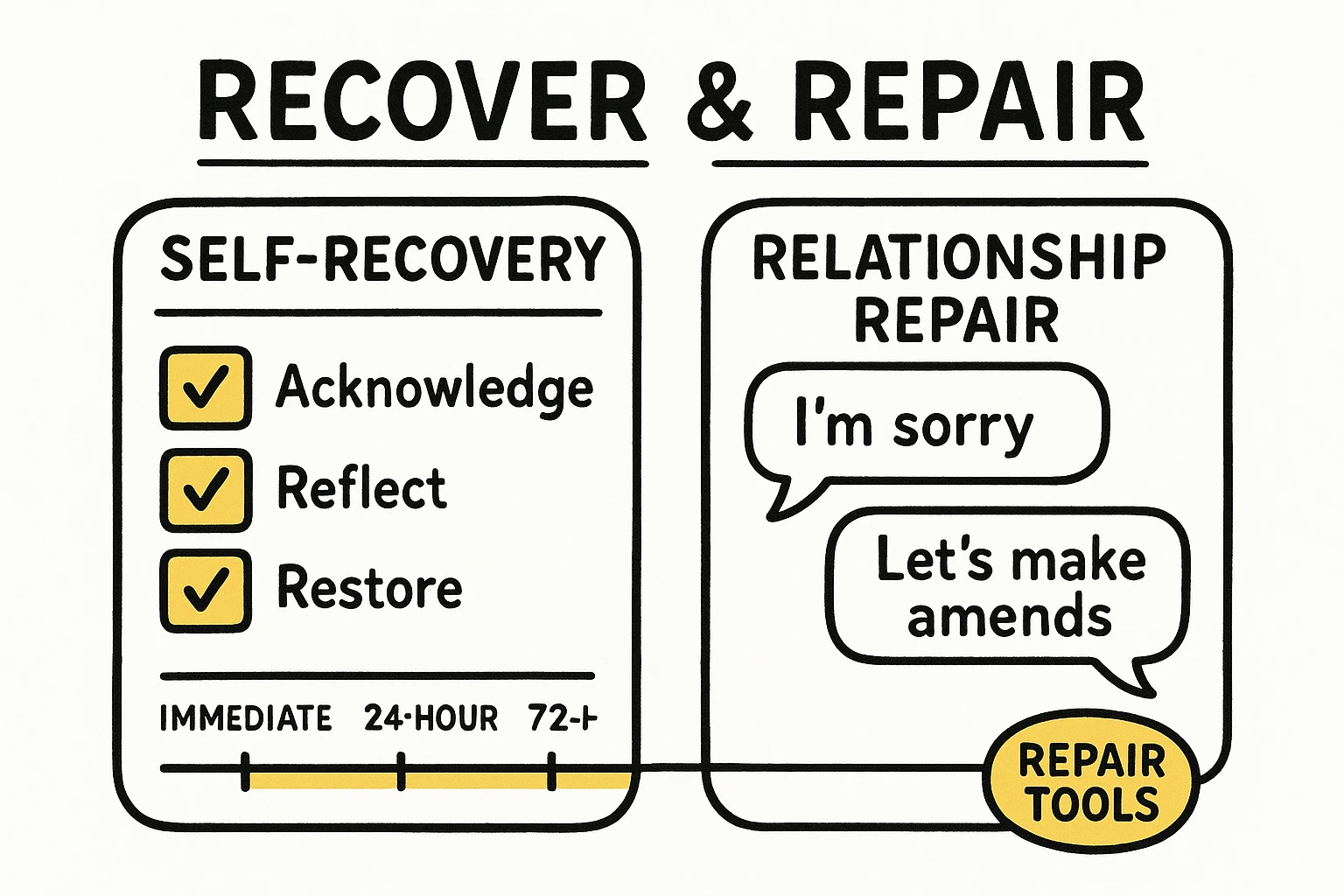
The period after an emotional hijack is crucial for self-reflection and repairing any damage caused. This involves strategies for self-reflection without judgment and actionable steps for relationship repair.

This recovery and repair toolkit offers timeline checkpoints and apology templates to help rebuild relationships after an emotional hijack.
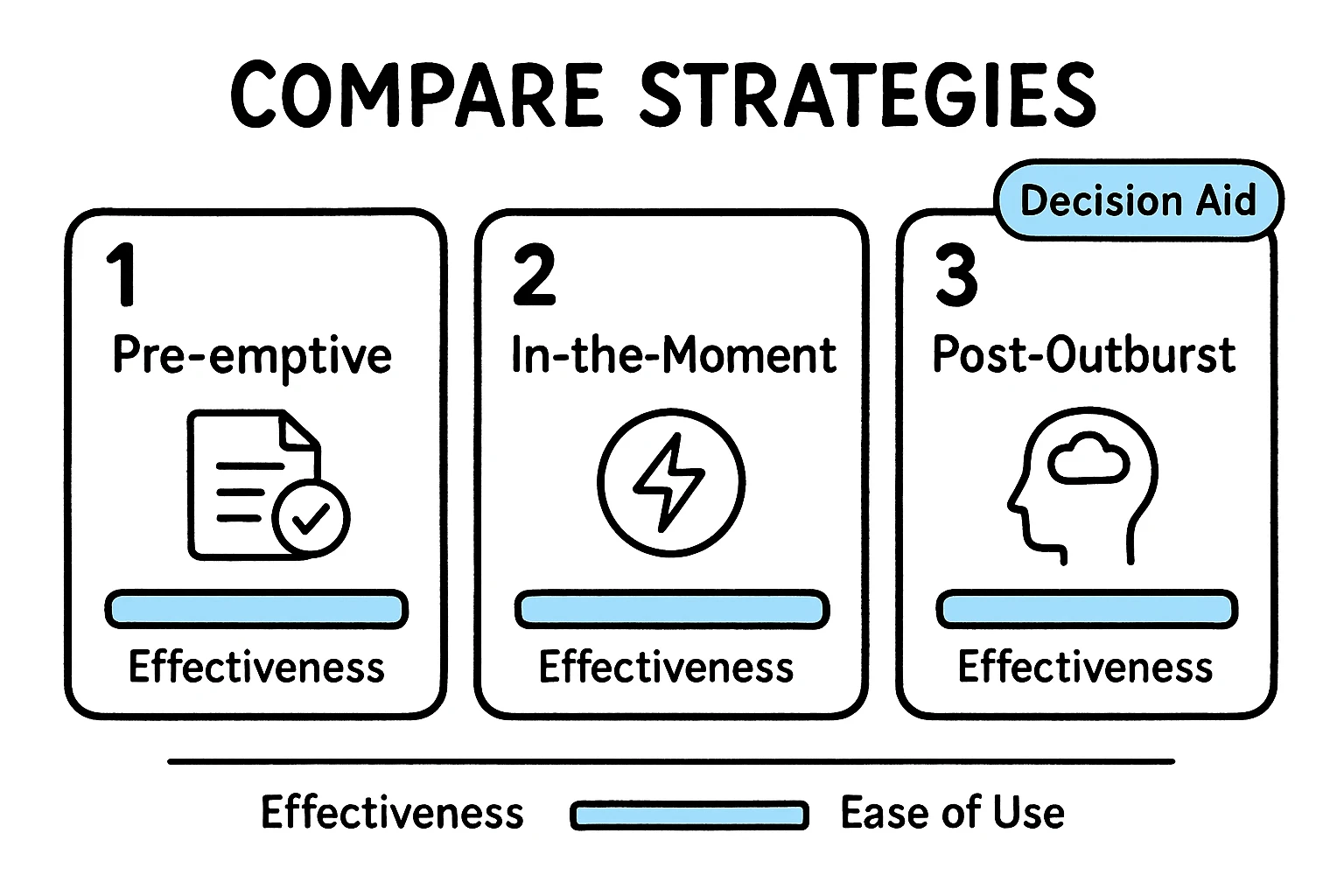
These diverse strategies provide a holistic pathway to managing emotional hijacks, covering prevention, in-the-moment responses, and post-event growth.
A side-by-side comparison of pre-emptive, in-the-moment, and post-outburst strategies to help evaluate which approach fits your needs.
Emotional dysregulation impacts individuals differently, necessitating tailored approaches for specific contexts like adult relationships or parenting children with ADHD.
Adults with ADHD frequently face challenges with emotional regulation in professional and personal settings. In the workplace, managing criticism or unexpected changes without an emotional outburst is critical. Developing a personal 24-hour rule for responding to emails or feedback allows for emotional cool-down before action. For relationships, transparent communication about your ADHD and its impact on your emotions is vital for partners, family members, and friends. Discussing triggers and pre-agreed de-escalation signals can significantly improve interactions. Prioritizing personal well-being through strict adherence to sleep hygiene, regular exercise (which boosts dopamine and executive function), and a balanced diet can all contribute to more stable emotional states and the sense of intrinsic motivation that can struggle with ADHD.
Parents often seek guidance on managing their children's ADHD-related emotional outbursts (often confused with meltdowns). Teaching emotional literacy is key. This involves helping children identify and label their emotions (sad, angry, frustrated), understand their physical sensations, and learn healthy coping mechanisms. Age-appropriate "time-outs" are beneficial for children, offering a structured way to calm down. Unlike punitive time-outs, these are designed as sensory breaks in a designated calm space, allowing the child to self-regulate. Emotion coaching, where parents validate the child's feelings ("I see you're very angry right now") and then help them problem-solve or find a solution, fosters emotional intelligence.
While self-help strategies are powerful, some individuals may require professional intervention to manage ADHD emotional hijacks effectively. Consider seeking professional support if emotional outbursts are significantly impacting your relationships, job performance, or overall quality of life. Therapeutic approaches like Cognitive Behavioral Therapy (CBT), Dialectical Behavior Therapy (DBT), and Acceptance and Commitment Therapy (ACT) have shown promise in improving emotional regulation skills for individuals with ADHD. These therapies often target executive function deficits and help develop adaptive coping mechanisms.
Medication, particularly stimulants, can help with core ADHD symptoms, but their effect on emotional dysregulation in adults is often modest. Some amphetamines might even inadvertently worsen emotional lability in certain individuals. ADHD coaching can also provide personalized strategies and accountability for implementing emotional regulation techniques.
Navigating ADHD emotional hijacks is a challenging, yet manageable, journey. By understanding the neurobiological underpinnings of these intense emotional surges, identifying personal triggers, and implementing a comprehensive framework of pre-emptive, in-the-moment, and post-outburst strategies, individuals with ADHD can reclaim their calm and foster greater emotional resilience. It is a process of continuous learning, self-compassion, and utilizing the right tools and support systems. You are not alone in this experience, and with the right approach, you can move towards a life with more emotional balance and stronger connections.
Share your experiences, seek support from communities and professionals, and continue exploring resources that resonate with your unique journey.
No, ADHD emotional hijacks are distinct from mood disorders like Bipolar Disorder, although they can sometimes be misidentified. Emotional dysregulation in ADHD is characterized by rapid, short-lived, intense emotional reactions to specific triggers, often followed by a return to baseline mood. In contrast, Bipolar Disorder involves sustained episodes of elevated mood (mania/hypomania) and depressed mood that last for days or weeks, significantly impacting daily functioning, and are typically not directly triggered by immediate external events. The American Psychological Association (APA) emphasizes that while both conditions involve mood fluctuations, their underlying mechanisms and patterns differ significantly.
Medication, particularly stimulant medications, primarily targets core ADHD symptoms like inattention, hyperactivity, and impulsivity. While some individuals may experience a modest improvement in emotional regulation, medication alone is often insufficient to fully resolve emotional dysregulation. The American Psychological Association notes that some amphetamines can even contribute to emotional lability in certain cases. A comprehensive approach often combines medication with therapy (such as CBT or DBT), ADHD coaching, and lifestyle adjustments to build robust emotional regulation skills.
Open and honest communication is vital for repairing and strengthening relationships impacted by emotional hijacks. First, explain that these outbursts are a symptom of your ADHD, stemming from neurobiological differences, not a lack of caring or a personal attack. Share what an emotional hijack feels like for you (the intense physiological and cognitive experience) and discuss your identified triggers. Collaboratively establish pre-agreed de-escalation signals or strategies, such as taking a brief "time-out" or using specific phrases to signal overwhelm. The Cleveland Clinic suggests using clear language to describe your feelings and the coping mechanisms you are employing. Reiterate your commitment to managing these emotions and actively working on post-outburst repair, taking responsibility for your actions.
Executive dysfunction is a core component of ADHD and directly impacts emotional regulation. The prefrontal cortex, responsible for executive functions like impulse control, working memory, and emotional modulation, is often underactive in individuals with ADHD. This impairment makes it harder to pause and think before reacting emotionally, to hold emotional information in mind long enough to process it rationally, or to inhibit an immediate strong emotional surge. Consequently, individuals with ADHD may struggle with shifting focus away from an emotional trigger or effectively using adaptive coping strategies, increasing the likelihood of emotional hijacks.
Helping children with ADHD manage emotional outbursts involves teaching emotional literacy and providing structured support. Start by helping your child identify and label their emotions, connecting the feeling to its physical sensations. Implement age-appropriate "time-outs" that are framed as calming breaks rather than punishment, allowing them a designated space and time to de-escalate. Practice emotion coaching, where you acknowledge and validate their feelings, then guide them toward problem-solving or healthy coping strategies. Consistent routines, sufficient sleep, and managing sensory input can also significantly reduce triggers, as detailed by The ADHD Centre.
Yes, diet and sleep significantly impact emotional regulation for individuals with ADHD. Irregular sleep patterns and chronic sleep deprivation can exacerbate executive dysfunction and increase emotional lability, making emotional hijacks more frequent and intense. A diet high in processed foods or sugar can lead to blood sugar spikes and crashes, which often manifest as irritability and mood instability. Conversely, a balanced diet rich in protein, healthy fats, and complex carbohydrates, combined with consistent sleep hygiene (regular bedtime and wake-up times), can stabilize mood, improve focus, and reduce the frequency and severity of emotional dysregulation.