ADHD Emotional Balance Guide for Optimizing Environment
Discover how to design physical and digital spaces that reduce overwhelm and improve ADHD emotional regulation. Learn actionable environment tweaks and routines.
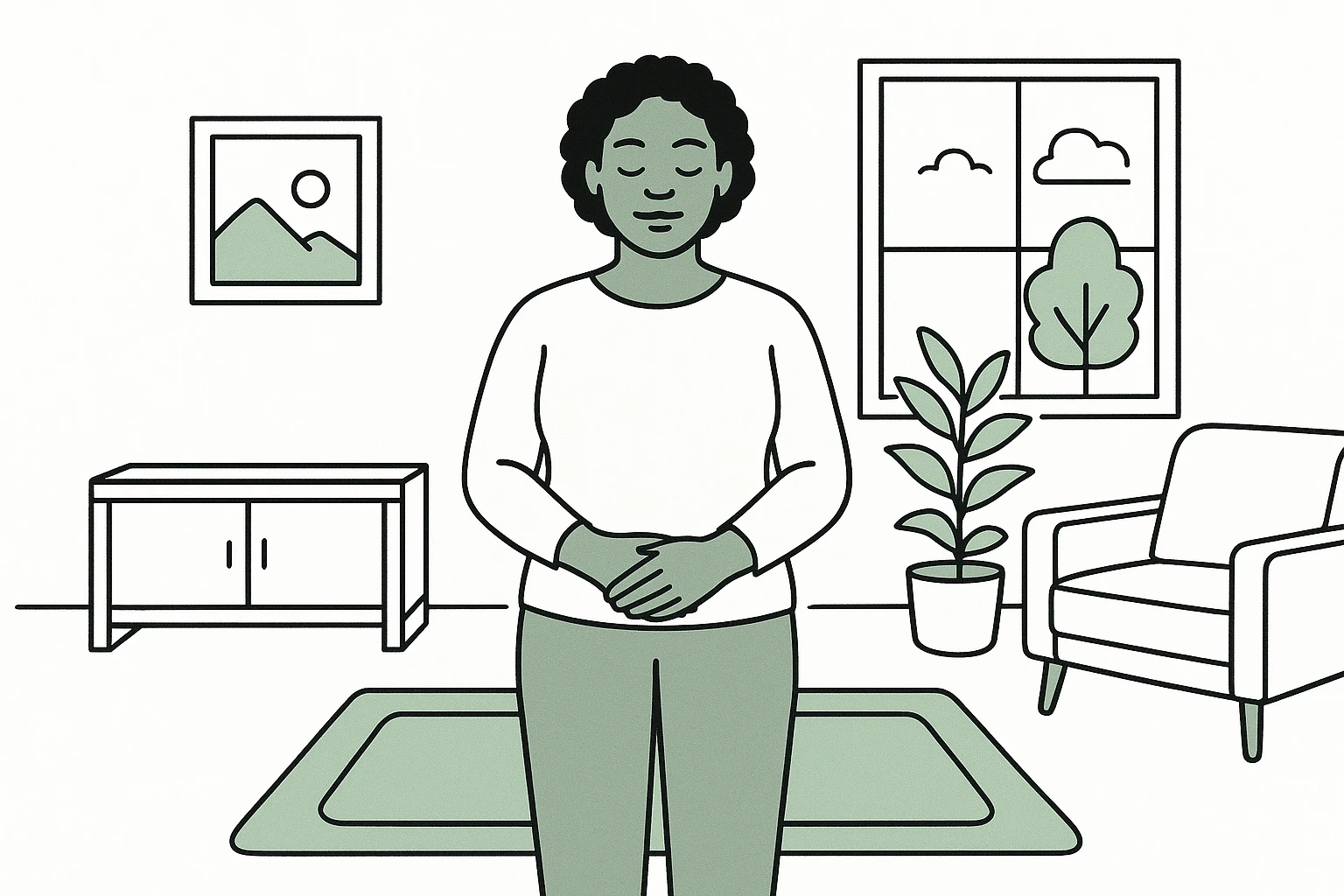
For too long, individuals with ADHD have been told to "manage their emotions" without truly understanding the profound impact their environment has on that very process. If you’re an adult with ADHD, or someone supporting them, you know the struggle: intense mood swings, unexpected meltdowns, and a pervasive sense of overwhelm that feels impossible to escape. It's not a character flaw; it's a neurological reality amplified by spaces that don't support your brain.
You're at a critical point in your journey—evaluating different solutions, seeking tangible strategies beyond vague advice. This guide isn't just another article on coping. It's a deep dive into proactive environmental design, offering a unique framework to transform chaotic triggers into calming cues. We’ll explore how meticulously crafting your physical and digital worlds can be your most powerful tool for emotional regulation, reducing executive dysfunction, and fostering a sense of flow. Our aim is to provide granular, actionable blueprints often missed by general advice, empowering you with the clarity and confidence to make informed decisions for lasting change.
Emotional dysregulation (ED) is not a secondary symptom of ADHD; it's a core component, often leaving individuals feeling like they're riding a relentless emotional roller coaster. Studies consistently show that individuals with ADHD experience emotions more intensely, making effective emotional management a significant daily challenge (JMIR Mental Health). This isn't just about feeling things deeply; it’s about the rapid shifts, the difficulty moderating responses, and the profound impact these have on daily functioning and relationships.
The challenge is often exacerbated by environments that are, ironically, designed for neurotypical brains. For someone with ADHD, a visually cluttered desk, a symphony of notifications, or an arbitrary routine can quickly tip the scales from focused engagement to overwhelming chaos. The good news? You have the power to hack your environment. By understanding your specific triggers and applying thoughtful design principles, you can shift from a reactive state of constant emotional firefighting to a proactive state of calm and control. We’re moving beyond just coping, towards an "Environmental Flow Framework" that actively shapes your surroundings to promote neuro-harmonious living.
Before you can build a supportive environment, you need to understand what's actively undermining your emotional balance. ADHD brains are often hypersensitive to stimuli (CHADD, Verywell Mind), meaning environmental factors that might go unnoticed by others can be profound triggers for you. These can range from sensory input to unexpected changes, decision fatigue, and general overwhelm.
Consider conducting a personalized environmental audit. Think of it as mapping your unique neuro-landscape. What specific noises send you spiraling? Which visual distractions constantly pull your focus? When do you typically feel that rush of emotional intensity? These might be subtle environmental cues that precede emotional overload. For example, the constant ping of new emails, the visual chaos of an unorganized pantry, or the sound of your neighbor's dog barking. Recognizing these patterns is the first step toward reclaiming your emotional state.
By systematically identifying these, you begin to build a blueprint for your customized interventions.
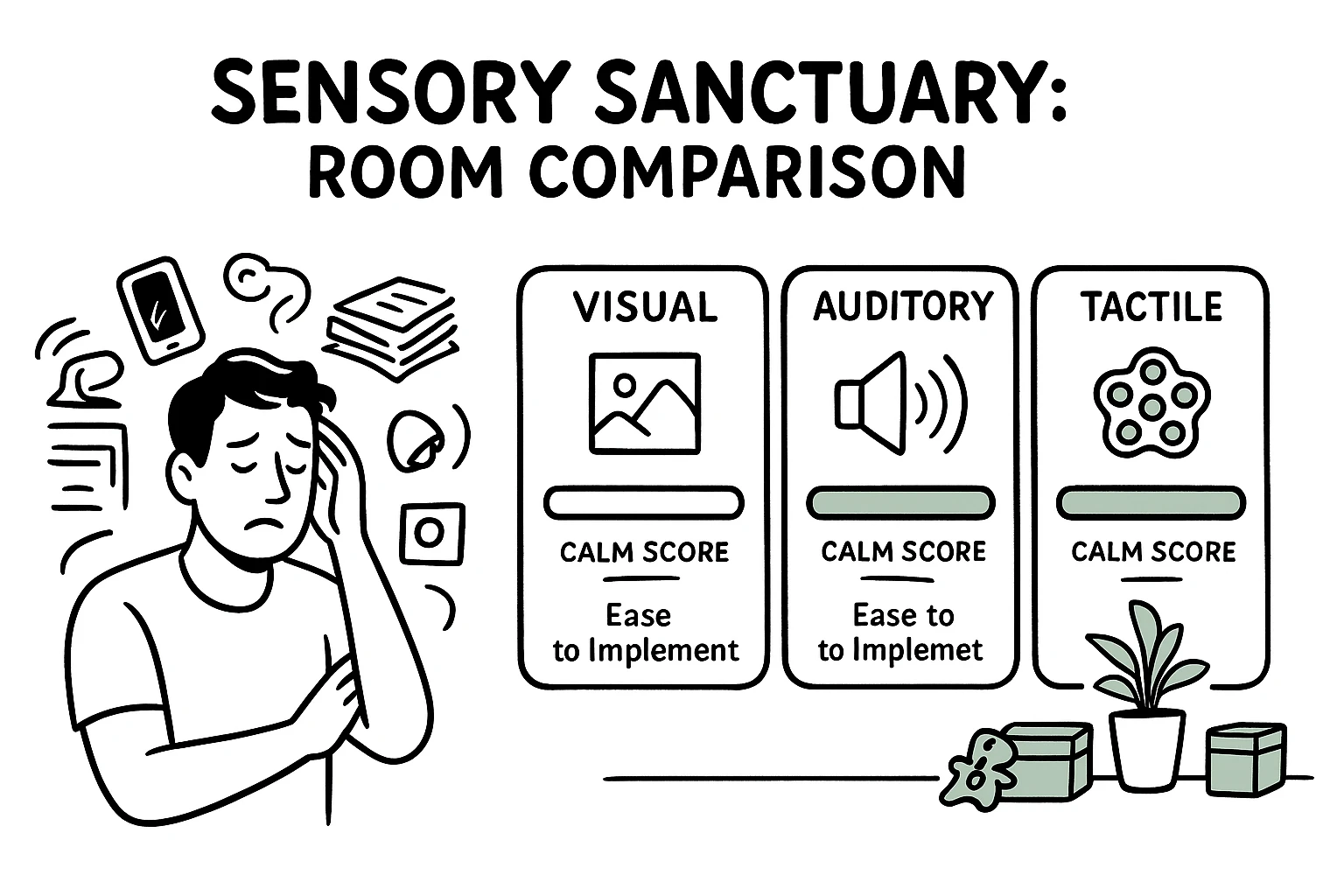
Your physical environment is a powerful, yet often overlooked, leverage point for emotional regulation. Most advice on "calming environments" is too vague to be truly helpful for an ADHD brain. We're talking about specific, actionable steps to design your home and workspace as a sensory sanctuary.
Creating an ADHD-friendly space means consciously manipulating elements like visual clutter, sound, light, and texture to reduce overwhelming stimuli and promote a sense of order. This isn't about rigid minimalism, but strategic control to minimize reactive emotional states and support executive functions.
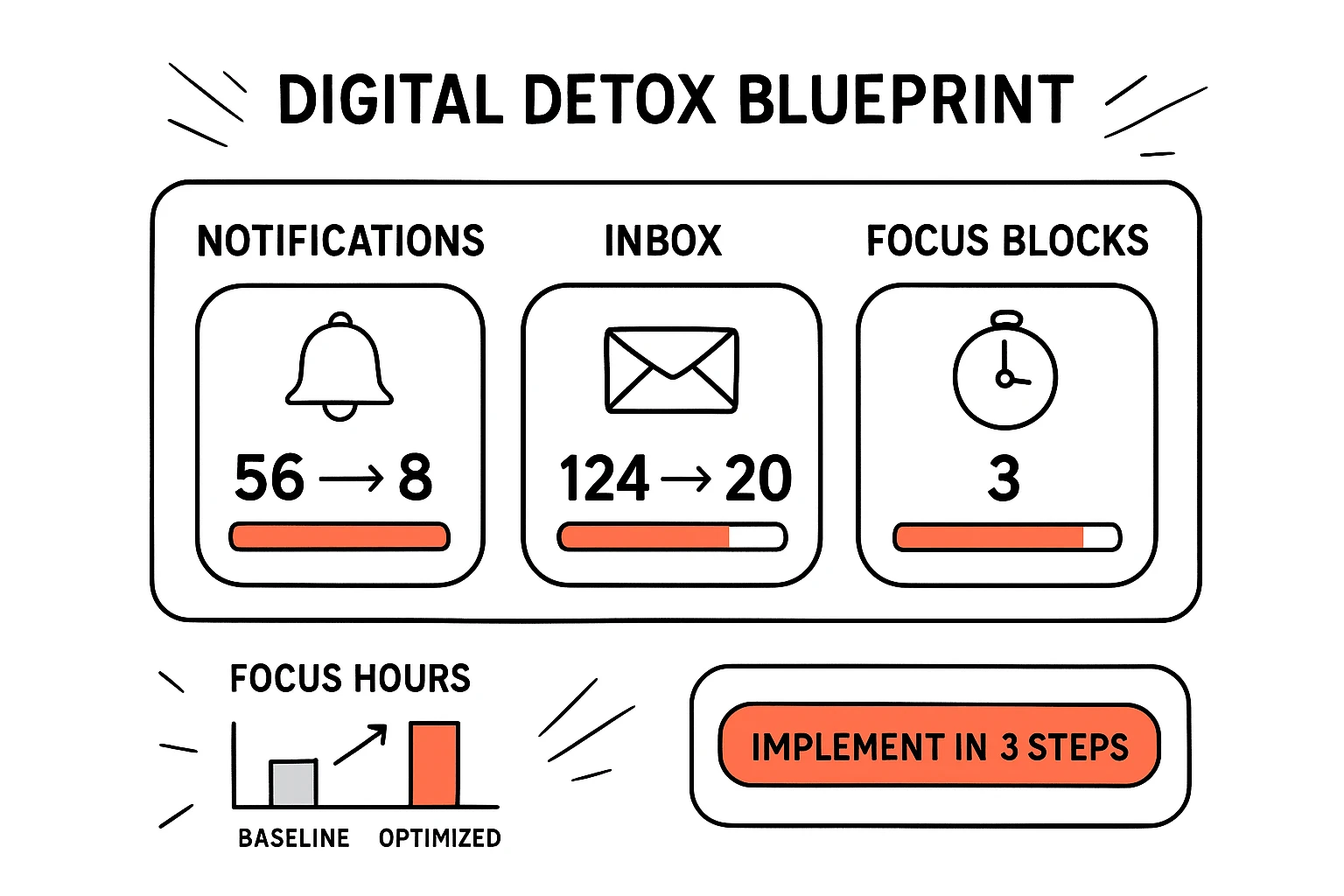
In today's world, our digital environments are as critical to our emotional balance as our physical ones. For individuals with ADHD, the digital realm is a double-edged sword: a source of incredible information and connection, but also a relentless driver of distraction, hyperstimulation, and emotional overwhelm. Constant notifications can heighten cortisol levels, exacerbating executive dysfunction (Psychology Today). Crafting a supportive digital environment is about intentional design, not complete abstinence.
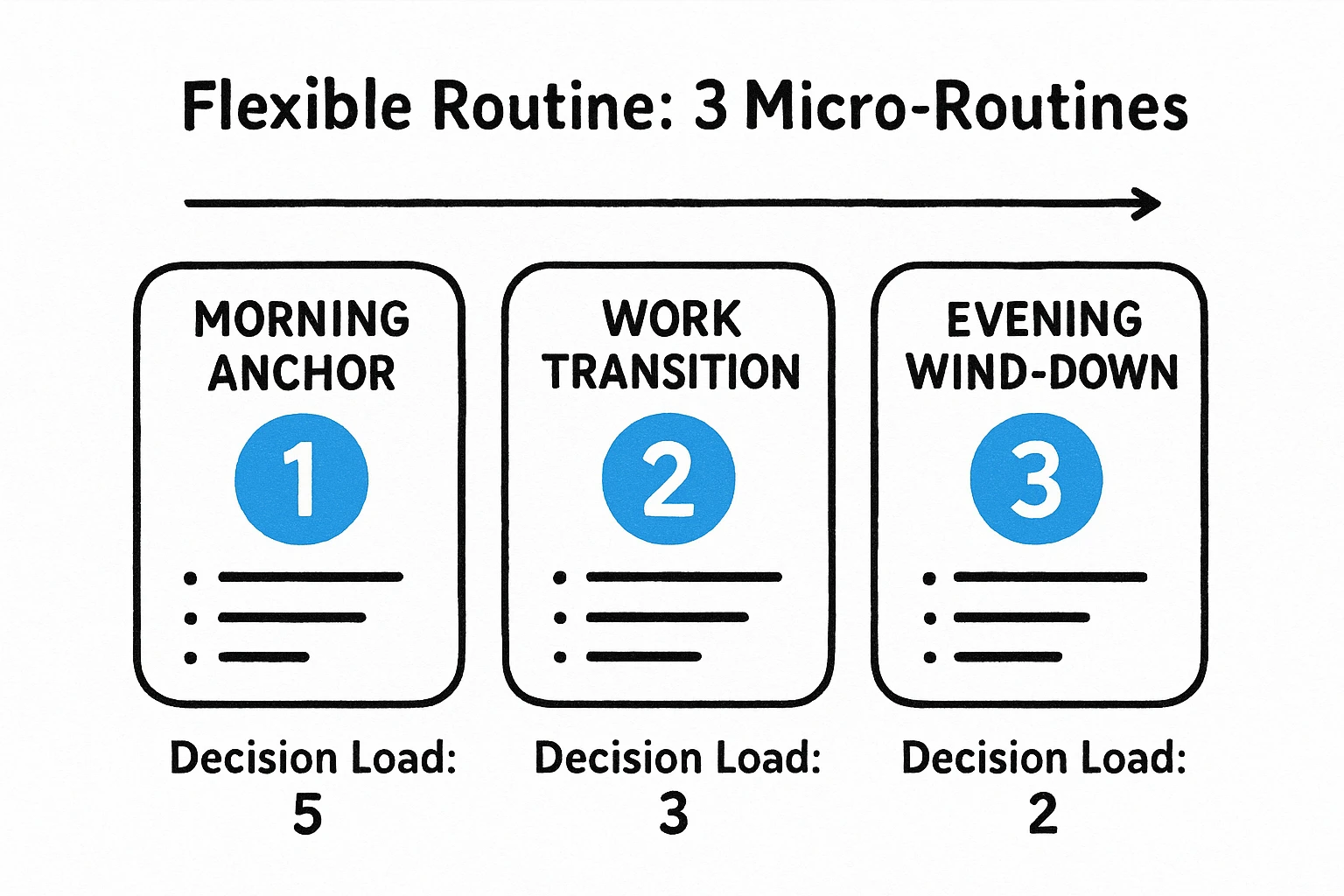
For brains that thrive on novelty and struggle with initiating tasks, the concept of routine can feel counterintuitive or even restrictive. However, a well-designed routine—what we call "flexible structure"—is a cornerstone of emotional stability for adults with ADHD (adhd routine for adults). It reduces decision fatigue, minimizes the unexpected, and builds a sense of predictability that calms the nervous system.
Approximately 4.4% to 6.0% of adults in the US are diagnosed with ADHD (CHADD, NIMH), and a significant portion of them benefit immensely from externalized organizational systems. Consistent routines help automate daily decisions, freeing up mental energy for more complex tasks and reducing the likelihood of emotional overwhelm that stems from constant choice-making.
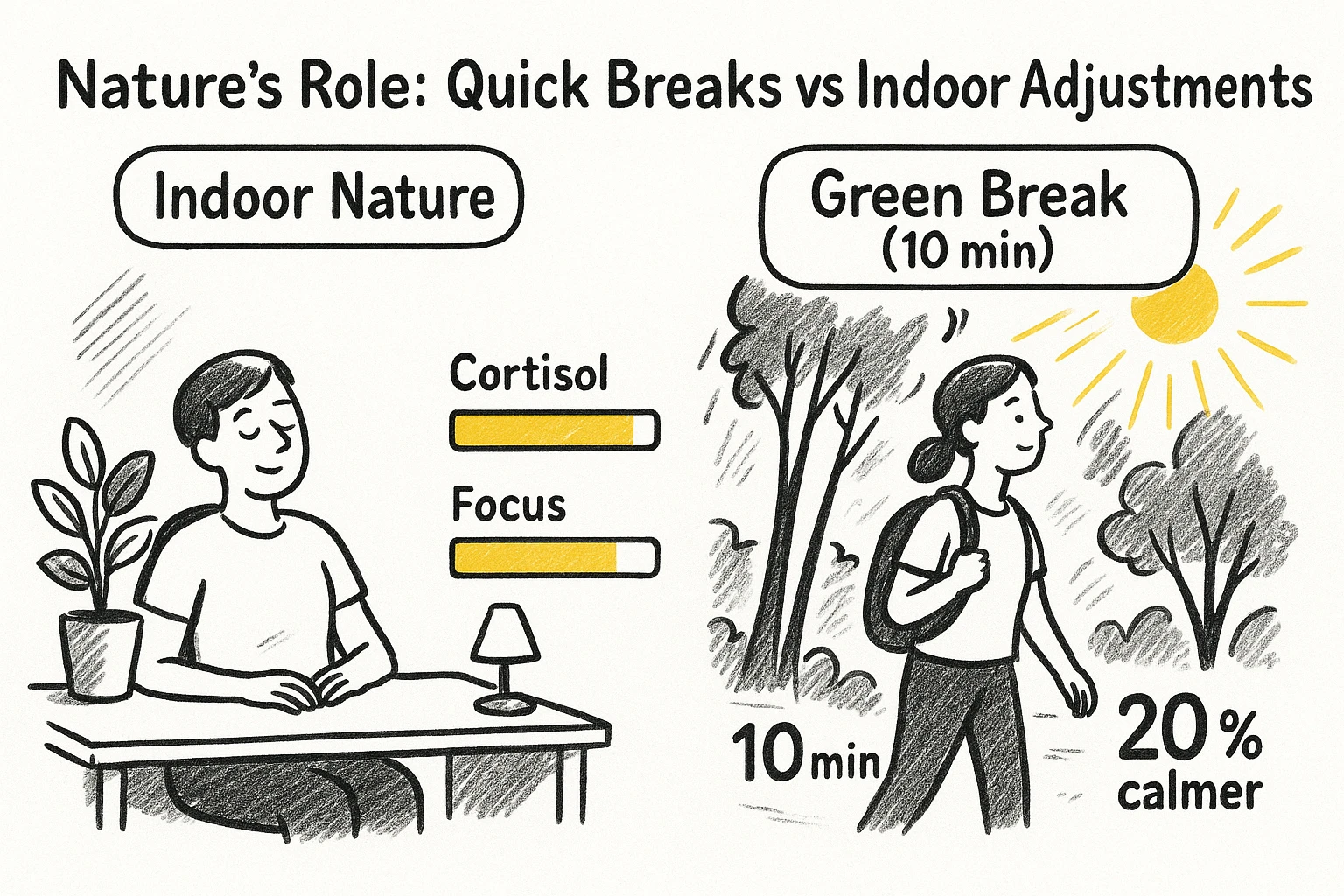
The power of nature to calm the ADHD mind is not just anecdotal; it's backed by science. Spending time in green environments, engaging in mindfulness-based ecotherapy, and even incorporating natural elements into indoor spaces can reduce hyperactivity, improve attention, lower cortisol levels, and enhance emotional regulation in ADHD populations (Nature.com, JMIR Mental Health). This isn't about moving to a cabin in the woods; it's about intentionally weaving nature into your daily life.
One of the stealthiest contributors to emotional dysregulation in ADHD is decision fatigue. Every choice, no matter how small, consumes mental energy. By the end of the day, a brain already battling executive dysfunction is utterly depleted, leading to increased impulsivity, irritation, and emotional outbursts. Proactive environmental design can profoundly reduce this cognitive drain.
Even with the best environmental optimization, moments of overwhelm will still arise. Building emotional resilience means having a personalized "Calm Kit" and quick-reset techniques at your disposal to navigate sudden emotional shifts.
By integrating these environmental optimization strategies, you move beyond merely coping with ADHD to actively designing a life that supports your unique brain. You gain confidence in your ability to manage your emotional landscape, turning overwhelm into a well-managed flow.
No. Emotional dysregulation (ED) is recognized as a core component and significant challenge experienced by many individuals across all ADHD subtypes, not a separate diagnosis. It's often linked to differences in brain regions responsible for executive function and emotional processing (APA Monitor, JMIR Mental Health).
Individuals with ADHD often have hypersensitive nervous systems and executive function deficits. This means they can be easily overwhelmed by stimuli (sensory overload is common, CHADD, Verywell Mind) and struggle more with managing attention, impulse control, and emotional responses when external demands are high. A chaotic environment increases the cognitive load, making emotional regulation harder.
General advice often lacks the specific "why" and "how" for the ADHD brain. Environmental optimization for ADHD is intentional and strategic. It focuses on reducing specific sensory inputs and cognitive demands that trigger emotional dysregulation, supports working memory challenges, and minimizes decision fatigue. It goes beyond aesthetics to functionality, asking "How does this environment impact my brain's ability to regulate emotion?"
Absolutely. Digital clutter, constant notifications, and the endless scroll of information are sources of immense cognitive and sensory overload. This constant stimulation can elevate stress hormones like cortisol, making emotional regulation even more challenging for ADHD individuals (Psychology Today, Scientific Electronic Archives). Intentional digital design, however, can also be a powerful support.
This is a common challenge for adults with ADHD in shared environments. Focus on personal zones first (your bedroom, your desk, your personal digital space). Communicate your needs clearly and calmly, explaining why these changes are important for your well-being. Suggest small, collaborative changes like shared decluttering days for common areas or designated "quiet hours." Frame it as creating a more peaceful home for everyone. Compromise is key, but so is advocating for your neurodivergent needs.
No, environmental optimization is a powerful management tool, not a "cure." Emotional dysregulation is a complex aspect of ADHD. However, by proactively designing supportive environments, you significantly reduce triggers and external stressors, making it much easier to manage your emotions, improve focus, and build resilience. This is about prevention and support, allowing other strategies (like therapy or medication) to be more effective.
You've taken the crucial step of understanding how your environment shapes your emotional landscape. Now it's time to act. Don't let overwhelm hold you back from creating the supportive spaces your ADHD brain deserves.
Explore our detailed guides on specific room types to start your transformation today. Discover how thoughtful design can move you from chaos to calm, one intentional change at a time.