ADHD Burnout Guide How to Thrive in Demanding Careers
Learn how to prevent ADHD burnout and build sustainable well-being in demanding careers. Get job-crafting tips, RSD tools, and boundary scripts to restore energy.
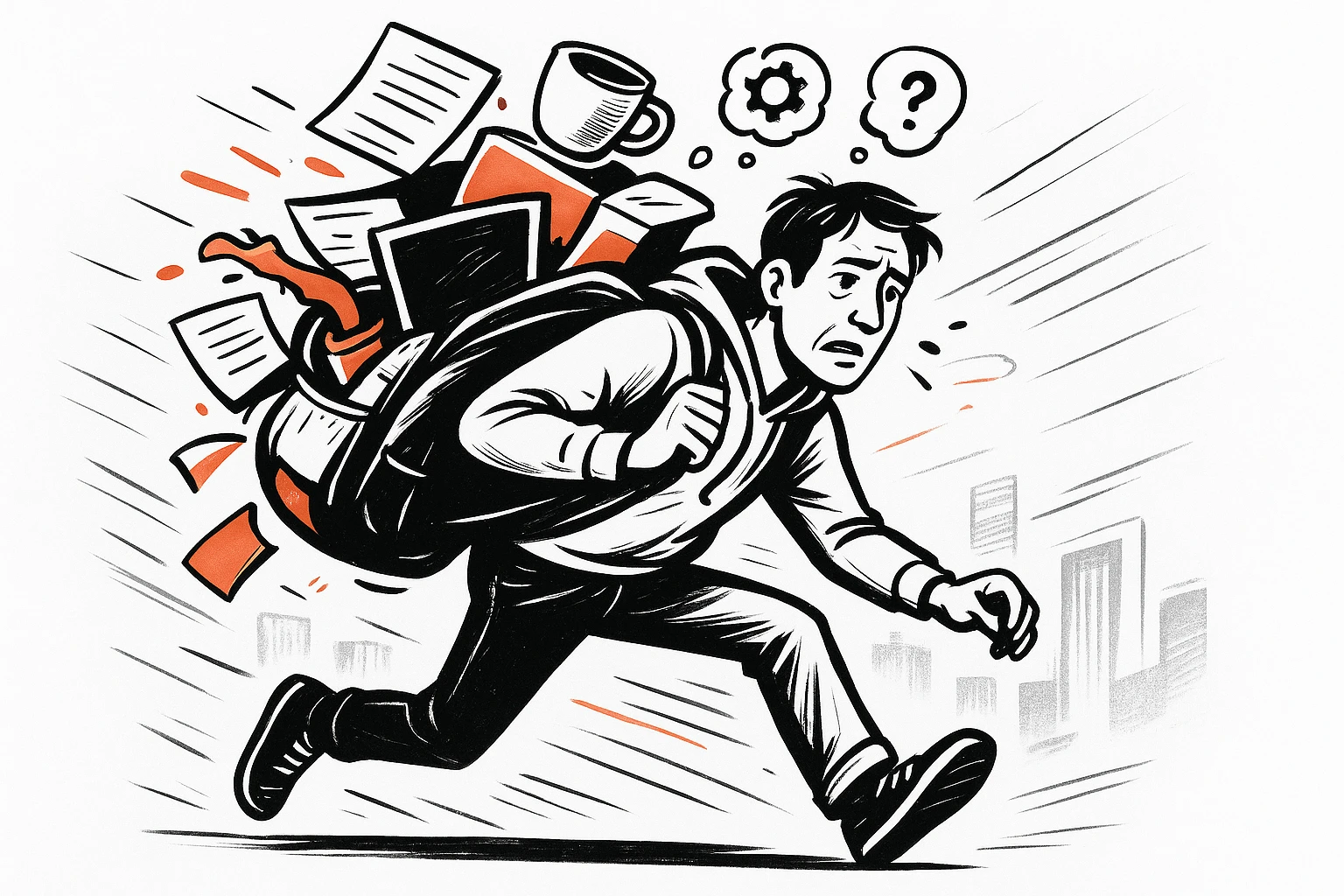
You're a high-achiever, driven, and successful. Yet, despite your outward accomplishments, you often find yourself teetering on the edge of exhaustion, battling an internal chaos that feels at odds with your professional life. Perhaps you’re wondering if it’s just the demanding nature of your career, or if there’s something more profound at play. If you have ADHD, the answer is usually both.
This isn’t about blaming your ADHD; it’s about understanding its unique wiring and leveraging that knowledge to protect yourself from the insidious creep of burnout. For professionals with ADHD, especially in high-stimulation fields—be it tech, medicine, or creative industries—the risk of burnout isn't just higher; it's a constant, underlying current. Up to 93% of adults with ADHD experience burnout symptoms, a stark contrast to the general population’s 30% rate. This isn’t a personal failing; it’s a neurological reality that demands a specialized approach.
This guide isn’t here to simply help you cope. It’s designed to provide you with science-backed strategies to not only prevent burnout but to architect a career and a life that align with your unique brain, fostering sustainable well-being and peak performance. You're not looking for generic advice; you're looking for solutions tailored to the beautifully chaotic, endlessly fascinating, mildly exhausting mental internet of someone with ADHD.
To truly understand ADHD burnout, we need to look beyond the surface. It’s not just about working too hard; it’s about how an ADHD brain interacts with the demands of high-pressure environments. Your brain has different needs, primarily driven by dopamine dysregulation and unique executive function profiles.
ADHD brains often have lower baseline levels of dopamine, a neurotransmitter critical for motivation, reward, and regulation. This means your brain is constantly seeking stimulation to reach an optimal level of arousal. Boring, repetitive tasks, which are an inevitable part of many high-demand jobs, lead to profound boredom and decreased motivation. Your brain thrives on novelty, engagement, challenge, and urgency (NECU model, as proposed by LifeSketch Counseling and Coaching). Without these "elements of interest," tasks become excruciatingly difficult, even for highly intelligent individuals.
This constant push-and-pull—the need for stimulation balanced against the often mundane realities of work—is coupled with executive function deficits. Functions like metacognition (self-awareness), working memory, and planning can be more challenging for those with ADHD, often developing later in life. This impacts your ability to self-monitor thoughts, feelings, and behaviors, leading to an underestimation of impairments and a tendency to overcompensate. You push harder, work longer, and mask your struggles, all leading to chronic exhaustion.
This isn't a sustainable path. It's the core engine of the ADHD burnout cycle:
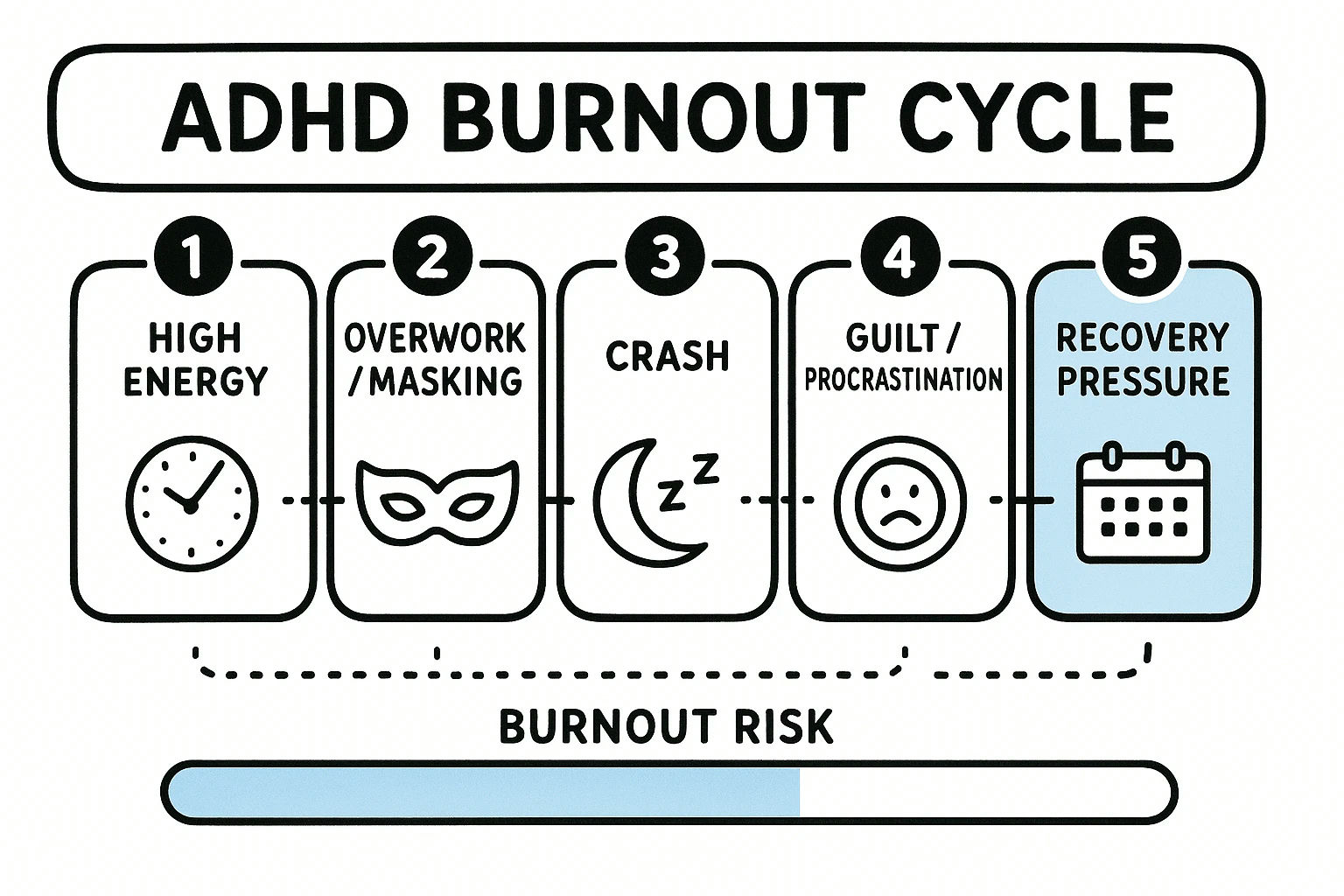
This cycle is a self-reinforcing loop. When you’re high on energy, you might overwork and hyperfocus, often driven by the urgency of a deadline or the excitement of a new project. This period is often followed by a crash, guilt about perceived underperformance, procrastination, and then intense pressure to recover, only to repeat the pattern. Recognizing and preventing this ADHD burnout cycle is the first step toward a more sustainable professional life.
Burnout for ADHD professionals isn't just about physical and mental exhaustion; it's deeply entwined with emotional dysregulation. Intense emotions are a "fundamental part of the ADHD experience," often genetically linked and disproportionate to neurotypical responses, even when controlling for other conditions.
One of the most potent emotional forces impacting career well-being is Rejection Sensitive Dysphoria (RSD). This isn't just sensitivity; it's an intense, sometimes overwhelming, emotional pain in response to perceived or actual criticism, rejection, or teasing. For professionals, RSD can manifest as an intense fear of criticism, leading to avoidance behaviors like shying away from networking opportunities, hesitating to ask for help, or even actively avoiding promotions that require more visibility. This can severely stunt career advancement and foster a constant state of anxiety.
Equally disruptive, though often less discussed, is "ADHD Morning Anger." Waking up feeling irrationally irritable or prone to snapping can derail your day before it even begins. This can stem from a variety of sources: poor sleep hygiene, sensory overload as you transition into your day, or even the immediate demands of responsibilities crashing in before your brain is fully online. It impacts your relationships with family and colleagues and sets a negative tone for productivity.
Here’s an evidence-aligned toolkit for managing RSD and setting yourself up for calmer mornings:

{"placement":"Adjacent to 'Section 2: Decoding Emotional Volatility' as a trust-building toolkit for RSD","caption":"A compact, evidence-aligned toolkit for responding to RSD: quick calming tools plus short follow-up actions to reduce career impact and shame.","url":"https://cdn.prod.website-files.com/6846e66ceac3efe221e5f42a/693552e4eb3d22877613c620_file.png"}
Practical Strategies:
By actively addressing the intense impact of Rejection Sensitive Dysphoria (RSD) on career well-being and managing morning anger, you're not just coping; you're building a more resilient, emotionally regulated self that can thrive in any professional landscape.
Preventing burnout requires more than just managing symptoms; it demands a proactive approach to how you structure your work and life. This means optimizing your environment, understanding your unique motivational drivers, and strategically setting sustainable work-life boundaries with ADHD.
One of the most insidious triggers for burnout is chronic boredom. For ADHD brains, a lack of novelty, engagement, challenge, or urgency makes tasks profoundly draining.
Distraction is a hallmark of ADHD, and in high-demand roles, it can lead to endless "context switching" that drains your mental energy.
This is perhaps the most critical step in preventing burnout. Without clear boundaries, your energy will constantly be depleted.
Here’s a quick evaluation matrix to assess how well your current role aligns with your ADHD wiring and where you might need to make adjustments:
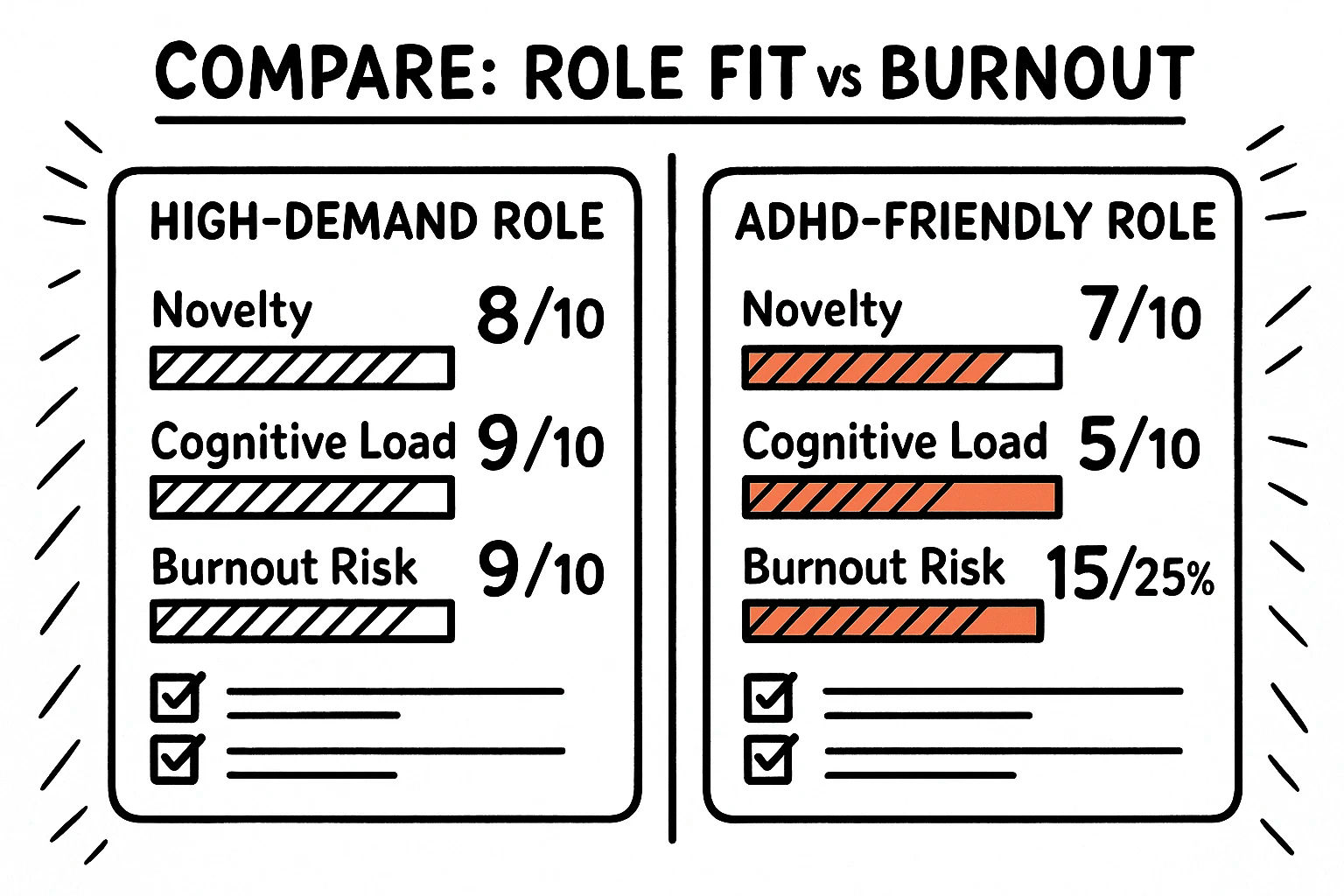
This evaluation can help you prioritize your efforts in job crafting or even guide career decisions. Remember, aligning your career with your wiring isn’t just about avoiding burnout; it’s about unlocking your full potential.
While self-strategies are powerful, addressing ADHD burnout often requires a multi-pronged approach that includes professional support.
Here's a roadmap to help you visualize and implement sustainable boundaries:
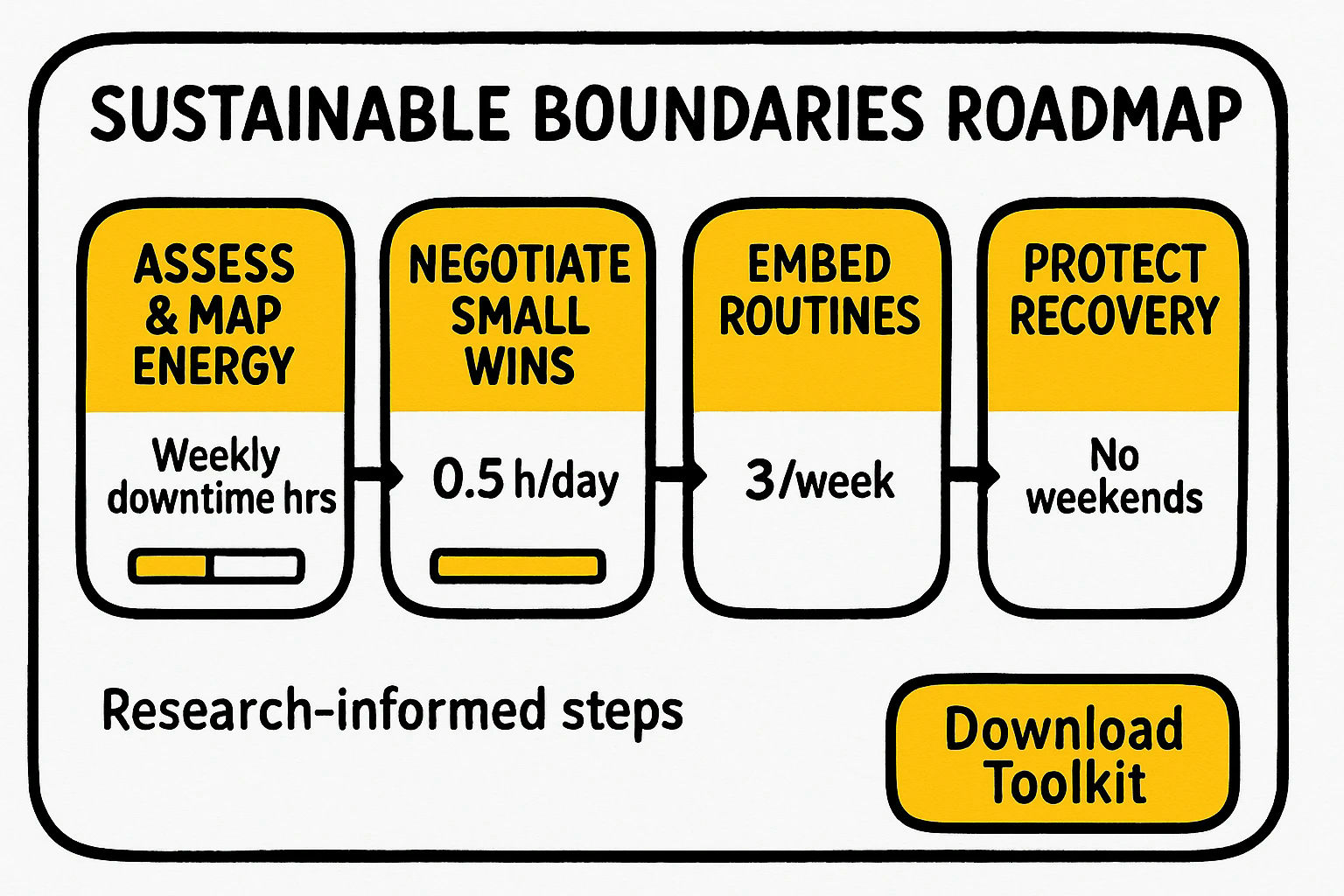
This roadmap emphasizes tangible steps and key performance indicators to help you establish and maintain healthier boundaries, protecting your well-being in the long run.
ADHD is not a flaw; it's a unique neurological wiring that, while presenting challenges in a neurotypical world, also confers incredible strengths like creativity, resilience, and the ability to hyperfocus on areas of passion. For high-demand professionals with ADHD, the path to sustainable success and well-being isn't about eradicating your ADHD, but about understanding it, respecting its energetic demands, and strategically designing your life and career around its unique characteristics.
By understanding the "why" behind your burnout vulnerability, proactively managing your emotional landscape, setting sustainable boundaries, and leveraging appropriate support, you can move beyond simply coping. You can thrive, operating from a place of deep self-awareness and self-compassion, transforming your beautifully chaotic mental internet into a powerful asset. You're ready to create a career that supports your well-being, rather than depleting it.
Protect yourself. Empower yourself. Your unique brain is an asset, when understood and nurtured.
While symptoms can overlap, ADHD burnout is deeply rooted in the unique neurological wiring of the ADHD brain. This includes dopamine dysregulation leading to profound boredom, executive function deficits causing overcompensation, and intense emotional dysregulation like RSD. It's often a cycle of over-engagement in areas of interest followed by crashes due to mental exhaustion from masking and performing.
Focus on solutions, not deficits. Frame discussions around how certain accommodations or changes in workflow would improve your productivity and contribution. For example, instead of saying "I get distracted easily," you could say "I work best on intensive projects with focused, uninterrupted blocks of time; how can we structure my day to allow for that?" The key is advocating for specific accommodations to prevent burnout without fear of stigma by emphasizing mutual benefit.
It's absolutely a real ADHD symptom. For an ADHD brain, boredom isn't just unpleasant; it's physically and mentally draining due to the low arousal theory, which suggests individuals with ADHD seek external stimulation to elevate their physiological arousal. Tasks lacking novelty, challenge, or urgency can lead to extreme understimulation, decreased motivation, and can even feel painful. It's not laziness; it's a neurological need for engaging stimulation.
RSD is intense. Key strategies include practicing the "24-hour rule" for perceived criticism, pre-scripting responses to anticipated challenging conversations, and intentionally seeking objective feedback to clarify intent. Building an external "success folder" of positive feedback can also serve as a counter-balance to internal negative narratives, giving you confidence in your value.
While no single tool can "cure" burnout, many assist. Timers (like the Pomodoro Technique), habit trackers, and task management apps can support executive function. Noise-canceling headphones help with focus, and fidget tools like worry stones can provide a calming sensory outlet. Apps offering guided meditations or mood tracking can also be beneficial for emotional regulation and mindfulness for self-regulation for ADHD professionals. The best tools are those you consistently use and adapt to your unique needs.
Ready to transform your approach to work and well-being?Download our ADHD Professional Well-being Toolkit. This complimentary resource includes printable worksheets for job crafting, emotional check-in templates, and ready-to-use boundary scripts to help you put these strategies into immediate action. Start building your sustainable success today!