ADHD Advocacy Guide Championing Allyship and Inclusion
Learn how ADHD advocacy and allyship secure inclusion with workplace accommodations and targeted educational advocacy. Find actionable steps to drive change.

Navigating the world with ADHD, or supporting someone who does, often means becoming an advocate. Beyond managing individual symptoms, true inclusion requires understanding and actively championing neurodivergent rights. But where do you start? What strategies actually create impact? And how do you ensure your efforts are effective and heard?
You're not alone in seeking answers. The journey from individual experience to systemic change can feel overwhelming, but it's grounded in practical steps and informed action. This guide is designed to equip you with the knowledge and tools to effectively advocate for ADHD, foster inclusion, and educate society about the rich tapestry of neurodivergence—because every voice matters.
ADHD is a complex neurodevelopmental condition affecting millions worldwide. It's often misunderstood, misdiagnosed, or stigmatized, leading to significant challenges in education, employment, healthcare, and social life. The need for robust advocacy and allyship isn't just about individual well-being; it's about fostering a society that values neurodiversity.
Consider the pervasive nature of ADHD. Research from the ADHD Foundation estimates that at least 1.5 million adults in the UK alone have ADHD, with only about 120,000 formally diagnosed. Globally, persistent ADHD in adults ranges from 3.1% to 10.9% depending on diagnostic criteria and population studied, yet diagnosis and support systems often lag significantly behind. Without advocacy, these individuals and their unique needs remain unseen and unsupported.
Moreover, the economic impact of unmanaged ADHD is substantial. Studies show that adults with ADHD are more likely to experience unemployment, lower income, and higher healthcare costs. For instance, a longitudinal study revealed that compared to their neurotypical peers, individuals with ADHD incurred nearly twice the healthcare costs over a 20-year period, even before adjusting for comorbidities. Advocacy directly addresses these disparities by pushing for better access to diagnosis, treatment, accommodations, and understanding.
Effective advocacy spans multiple domains, from individual interactions to broad policy discussions. It requires a multi-faceted approach, combining personal storytelling with evidence-based arguments and practical solutions.
The workplace is a critical arena for ADHD advocacy. Many adults with ADHD struggle in traditional work settings due to challenges with focus, organization, time management, or sensory sensitivities. However, with the right accommodations, these same individuals can thrive, bringing creativity, problem-solving skills, and hyperfocus to their roles.
A study published in the Journal of Attention Disorders found that 62.9% of adults with ADHD reported needing workplace accommodations, yet only a fraction received them. Common accommodations include flexible work arrangements, reduced distractions, assistive technology, and clear, structured tasks.
The key is to proactively communicate needs and frame accommodations not as special treatment, but as necessary tools for equitable performance. Employers often benefit immensely from a neurodiverse workforce, with studies showing teams with greater diversity, including neurodiversity, can outperform homogenous teams by up to 35%.
Successful advocacy for workplace accommodations involves:
Many accommodations are low-cost and high-impact. For example, providing noise-canceling headphones, flexible scheduling, or written instructions instead of purely verbal ones can make a significant difference.
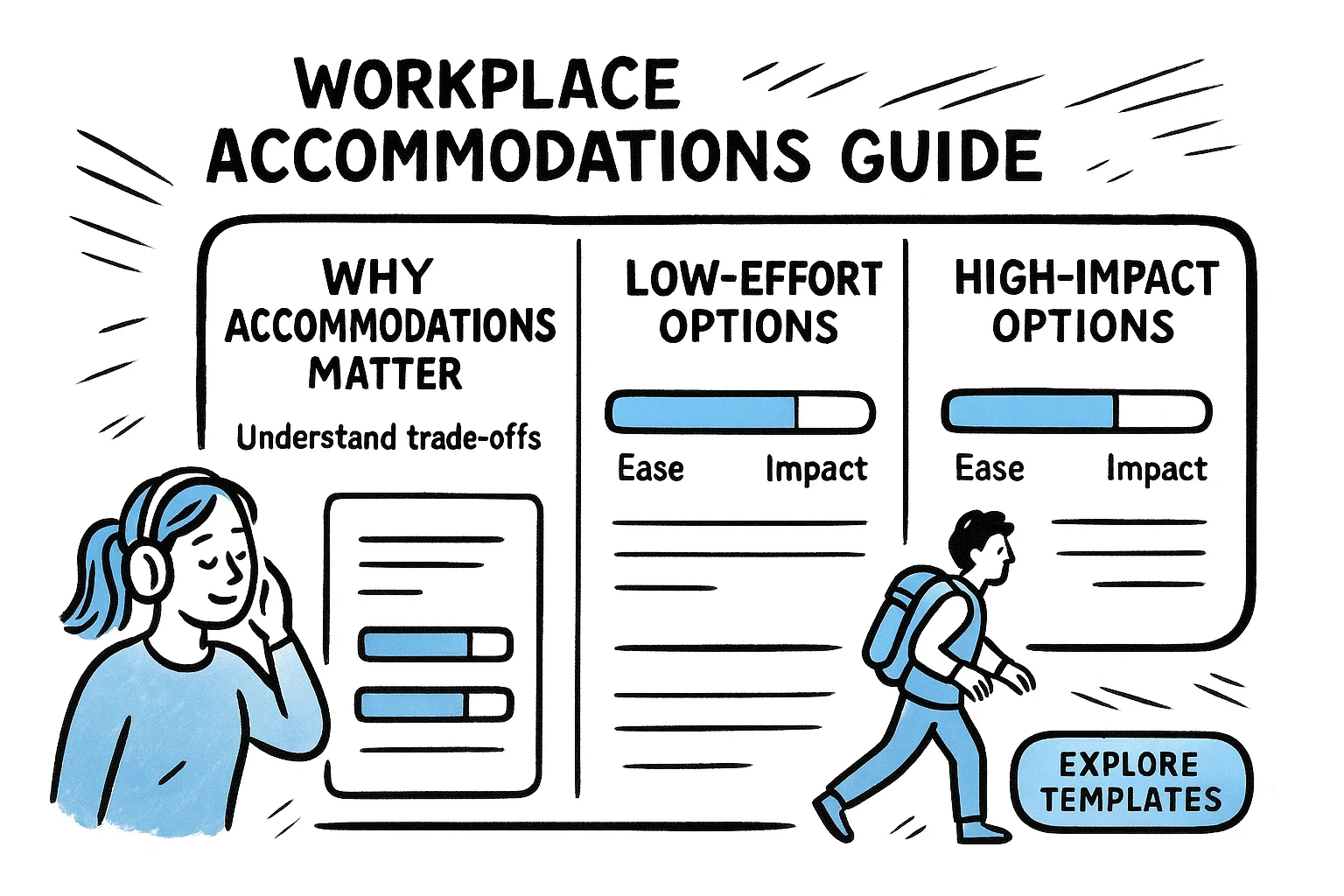
Compare low-effort and high-impact workplace accommodations with clear progress indicators to choose the right supports for adults with ADHD.
For students with ADHD, effective advocacy is crucial for ensuring equitable access to learning and academic success. Without proper support, students with ADHD are at a higher risk for academic underachievement, behavioral issues, and lower self-esteem.
Data from the Centers for Disease Control and Prevention (CDC) indicates that 62% of children with ADHD receive school-based interventions, but the quality and appropriateness of these interventions vary widely. Advocacy ensures that Individualized Education Programs (IEPs) or 504 Plans are tailored to the student's specific needs and regularly reviewed.
Key areas of educational advocacy include:

A clear four-step roadmap for educational advocacy that helps parents and educators plan, act, and evaluate accommodations.
Navigating healthcare systems can be particularly challenging for individuals with ADHD due to executive dysfunction, memory issues, or communication differences. Effective communication with healthcare professionals is a form of self-advocacy that ensures appropriate diagnosis, treatment, and ongoing care.
A meta-analysis of patient-provider communication revealed that clear, assertive communication significantly improves patient satisfaction and health outcomes. For ADHD, this means:
Remember, you are an equal partner in your healthcare journey. For more guidance, explore myadhd.co/healthcare-communication.
Allyship is not just passive support; it's active engagement and championing the rights of others. For neurotypical individuals, being an effective ally means:
Allyship can transform individual struggles into collective strength.

A prioritized allyship checklist plus a readiness tracker helps allies evaluate where to start and which actions to prioritize.
Systemic change often begins at the grassroots level. Participating in ADHD awareness campaigns and advocating for policy changes can create widespread impact. This involves:
Such efforts contribute to broader societal shifts, promoting a more equitable and understanding world for neurodivergent individuals. For instance, grassroots advocacy was instrumental in the passage of legislation like the Individuals with Disabilities Education Act (IDEA) in the US, which mandates special education services for eligible students.
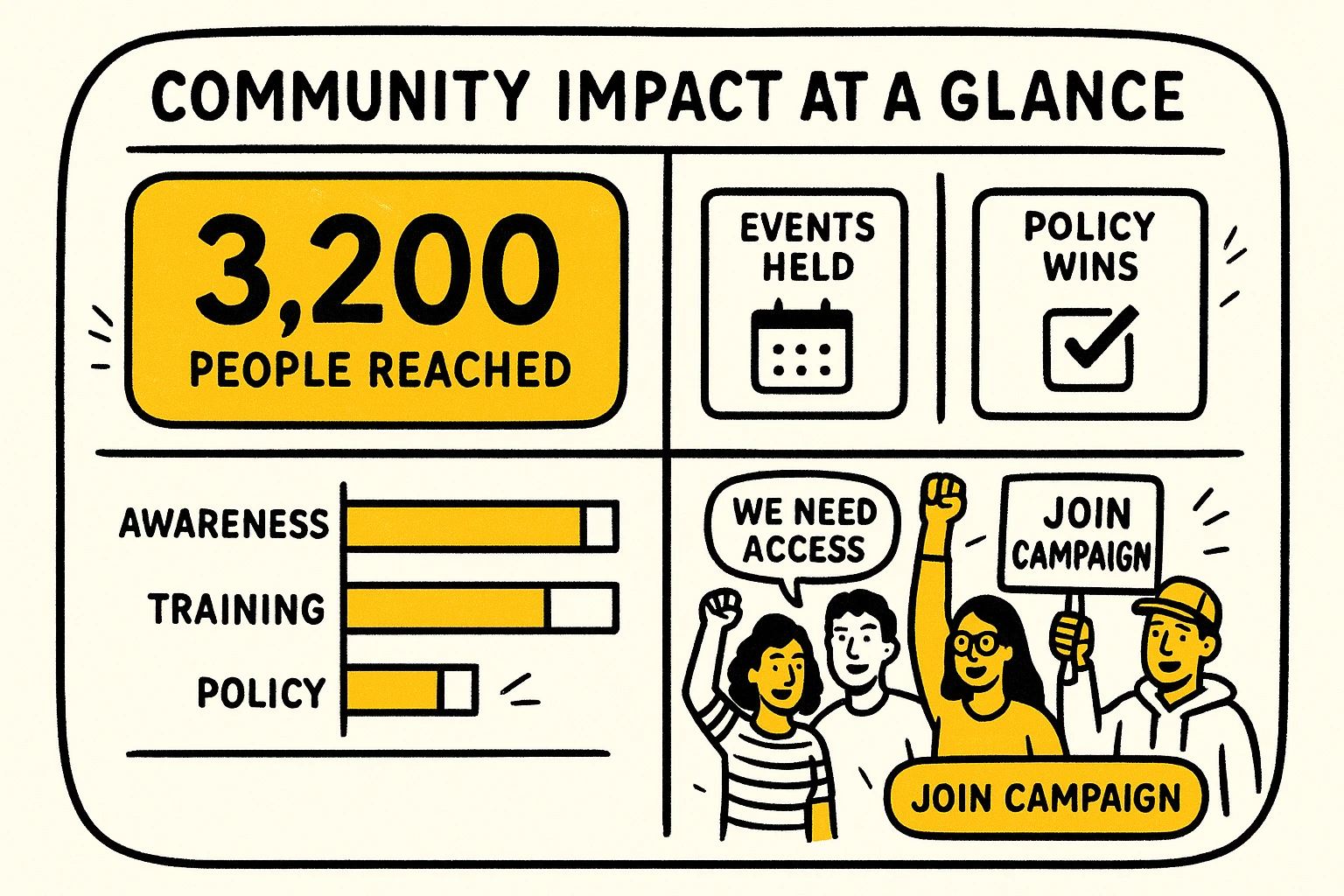
A compact impact dashboard that helps advocates compare channels and prioritize resources for grassroots ADHD campaigns.
Whether you have ADHD yourself, are a parent, partner, educator, or simply a concerned citizen, your involvement in advocacy makes a difference. MyADHD.co believes in the power of shared experience and informed action. We provide not just insights into the "beautifully chaotic mental internet" of ADHD, but also practical guidance to navigate its realities and advocate for a better future.
By understanding the challenges and actively engaging in advocacy, you contribute to a world where neurodivergence is celebrated, not just tolerated.
The biggest challenge is often stigma and misunderstanding. Many people still view ADHD as a character flaw or a lack of willpower, rather than a neurodevelopmental condition. This leads to a lack of empathy, inadequate support, and reluctance to implement necessary accommodations. Education and personal storytelling are crucial to break down these barriers.
Self-advocacy with ADHD can be tough. Break down the task into smaller steps. Start with preparing a concise list of your needs before a meeting. Utilize tools like reminders, templates, or bringing along a trusted ally to help you communicate effectively. Focus on what you need, not necessarily why (unless asked), and provide solutions, not just problems. For instance, instead of saying "I can't focus," say " noise-canceling headphones help me concentrate on tasks in open-plan offices."
Legal protections for individuals with ADHD vary significantly by region. In many countries, ADHD is recognized as a disability, offering protections under anti-discrimination laws. However, enforcement and awareness of these rights are often weak. Many individuals with ADHD or their employers/schools are unaware of their obligations or rights. Advocacy groups continuously work to strengthen these laws and improve their implementation.
Politely and firmly challenge misinformation with facts. You could say: "Actually, ADHD is a recognized neurodevelopmental condition with a strong genetic component, affecting the brain's executive functions. Leading medical organizations worldwide acknowledge its validity. Dismissing it overlooks the very real daily struggles and strengths of millions of people." Share reputable sources if appropriate.
The most impactful action for a neurotypical ally is to listen, learn, and amplify. Hear the lived experiences of individuals with ADHD without judgment, educate yourself on the realities of the condition, and then use your privilege and voice to challenge stigma and advocate for inclusive policies in your spheres of influence (work, school, community). Don't speak for us, but speak with us and to others about our needs.